EN/
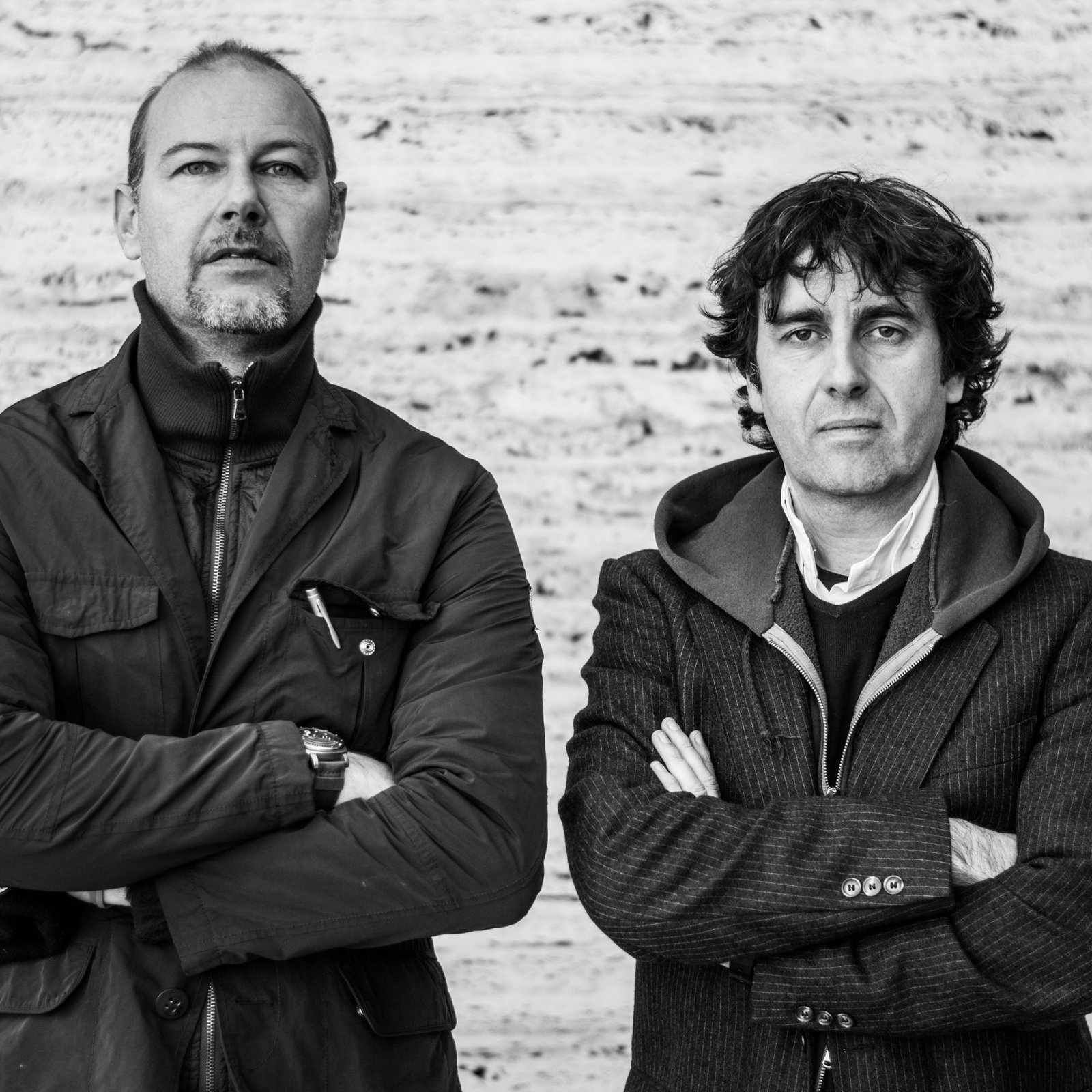
Nicola Regusci & Xavier Bustos
Time & Date: 7PM, July 6th 2023, Kino Armata
Cities Connection Project (CCP), founded by architects Nicola Regusci and Xavier Bustos, aims to establish connections between European cities or regions with an important architectural tradition. The aim is to reciprocally present works that reflect the best avant-garde architecture of each place, highlighting works by young architects, built in recent years, with the will to create a network of cultural connections between cities to affirm the value of contemporary architecture and urbanism.
Nicola Regusci: Architect EAUG, architect FAS_BSA, architect OTIA, founder and co-director of Cities Connection Project and curator of the exhibition BWA+BSL+BCN shared living spaces (with Xavier Bustos), founder of xnf arquitectes 1998-2015 (with Xavier Bustos and Ferran Grau) and author of articles of architectural criticism for the magazine werk, bauen+wohnen.
Xavier Bustos: Architect by the ETSAB, founder and co-director of Cities Connection Project and curator of the exhibition BWA+BSL+BCN espacios de vida compartida (with Nicola Regusci), founder of xnf arquitectes 1998-2015 (with Nicola Regusci and Ferran Grau), associate professor of Architectural Projects at the UdG and author of articles on architectural criticism for the magazine werk, bauen+wohnen.
AL/
Cities Connection Project, Nicola Regusci & Xavier Bustos
Koha dhe Vendi: 19:00, 6 Korrik 2023 ne Kino Armata
Cities Connection Project (CCP), themeluar nga arkitektët Nicola Regusci dhe Xavier Bustos, synon të vendosë lidhje midis qyteteve apo rajoneve evropiane me një traditë arkitekturore të rëndësishme. Synimi është të prezantohen reciprokisht veprat që reflektojnë arkitekturën më të avancuar të çdo vendi, duke theksuar veprat e arkitektëve të rinj, të ndërtuara në vitet e fundit, me synimin për të krijuar një rrjet lidhjesh kulturore midis qyteteve, për të afirmuar vlerën e arkitekturës dhe urbanizmit bashkëkohor.
Nicola Regusci: Arkitekt EAUG, arkitekt FAS_BSA, arkitekt OTIA, themelues dhe bashkëdrejtues i Cities Connection Project dhe kurator i ekspozitës BWA+BSL+BCN_hapësira të përbashkëta për jetesë (bashkë me Xavier Bustos), themelues i xnf arquitectes 1998-2015 (bashkë me Xavier Bustos dhe Ferran Grau) dhe autor i artikujve mbi kriticizmin arkitektonik për revistën werk, bauen+wohnen.
Xavier Bustos: Arkitekt nga ETSAB, themelues dhe bashkudhëtar i Cities Connection Project dhe kurator i ekspozitës BWA+BSL+BCN espacios de vida compartida (bashkë me Nicola Regusci), themelues i xnf arquitectes 1998-2015 (bashkë me Nicola Regusci dhe Ferran Grau), Profesor i Asociuar i projekteve arkitektonike tek UdG dhe autor i artikujve mbi kriticizmin arkitektonik për revistën werk, bauen+wohnen.

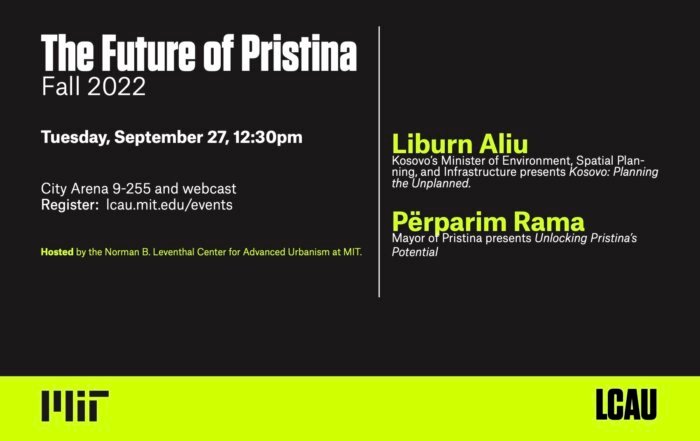
Please join us next Tuesday for The Future of Pristina, with presentations from Liburn Aliu, Kosovo’s Minister of Environment, Spatial Planning and Infrastructure and Përparim Rama, Mayor of Pristina, and introductions from Bekim Ramku, Director of Kosovo Architecture Foundation, 2016 SPURS Fellow.
Tuesday, 27-September, 12:30pmCity Arena, 9-255 and webcast [Register here for webcast]Liburn Aliu is a trained architect with a background in built heritage conservation and construction. From 2014 to 2018 he served as the head of the Pristina City Planning Department where he was praised for introducing transparent planning procedures and halting all illegal constructions in the city. In March 2021 he was named Kosovo’s Minister of Environment, Spatial Planning, and Infrastructure. In Kosovo: Planning the Unplanned? he will be speaking about his territorial approach to forging sustainable development in Kosovo.
An architect by profession Përparim Rama was elected as the Pristina Mayor in December 2021. He ran on a campaign to make Pristina a more pedestrian, green, sustainable as well as a fun city. In his presentation, Unlocking Pristina’s Potential, Mayor Rama will be speaking about the challenges Pristina faces but also the opportunities that the capital city of the country with the youngest population in Europe offers.
This presentation is part of the “Urban Data Kosovo” project implemented jointly by the Kosovo Architecture Foundation and the Norman B. Leventhal Center for Advanced Urbanism. The project is supported through the US Embassy “University Grant” administered by KUSAlumni.

“Negotiating storytelling: Heritage constructs as contested narrative devices” Manifesta 14 x Research training group DFG 277 Identity and Heritage 5.9.2022, 19-21h, Kino ARMATA. In which ways do heritage constructs operate as collective practices of storytelling? Which narratives do they behold or erase? How do narrative methodologies mold the collective memory?The Research Training group Identity and heritage from the TU Berlin, Bauhaus-Universität Weimar and the Technical Universities of Dessau and Erfurt have been engaging with the critical analysis of heritage constructions since 2016 through the research of specific case studies. During their visit to Pristhina, this panel discussion will bring into dialogue their experience within academic contexts with the on-going work by Manifesta on the resignification of Pristhina’s heritage and the role contemporary art has on contesting hegemonic narratives. If, following the words of Catherine Nichols, the writing of history should no longer be left to the historical sciences, What new role should academia play and which lessons are to be drawn from activism and contemporary art in producing better narratives?The panel will introduce the work of the research group from germany through 5 inputs that will be discussed as framed in the dialogue already started by Manifesta 15. Topics such as counteracting historical sources, acknowledging the biased emplotment of historiography, delegating interpretive authority, the destabilization of knowledge, the preservation of narratives and narrators, the institutional response to social changes, the understanding of heritage as social construction or the relevance of an expanded interdisciplinarity in the actualization of academic work will be addressed. How do we challenge historiography? How to tell stories otherwise?Research training group DFG 277 “Identity and Heritage” with Bekim Ramku, Director of Kosovo Architecture Foundation,Paul Domela, Head of Business, Manifesta Biennale and Alush Gashi, Kino Armata
EN/
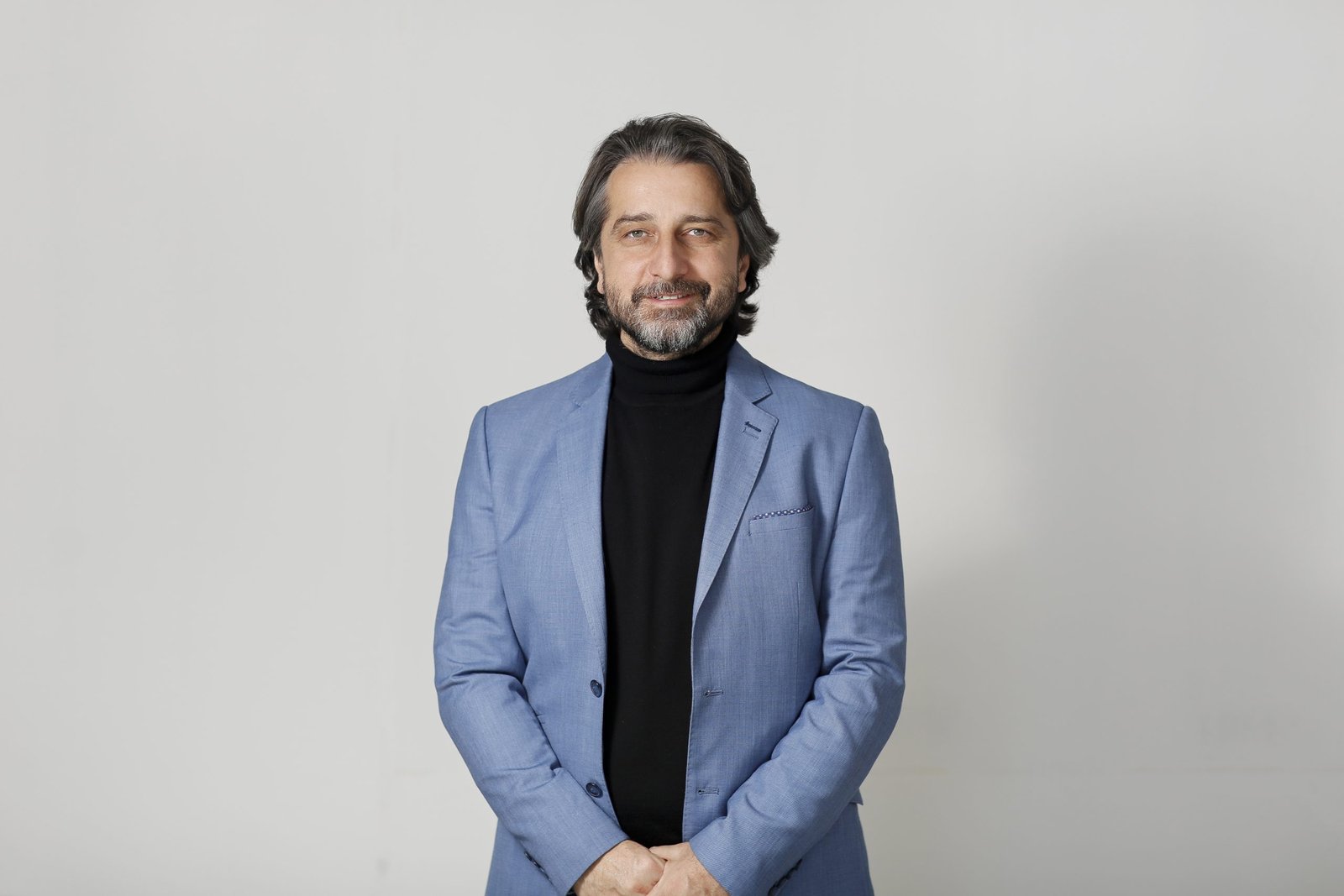
Përparim Rama was born in Prishtina on January 20, 1976. His father, Kadrush Rama was a well-known Albanian painter, and his mother Nazmije Rama worked as an educator.
In 1992, when he was only 16 years old, Përparim Rama moved to Great Britain, and was granted asylum due to the aggravated political situation in his homeland.
He completed his undergraduate studies in architecture at London South Bank University from 1995 to 1998. From 2001 to 2003 he continued the second part of his studies at the Royal Institute of British Architects. Having completed his Bachelor studies, he pursued a Master DipArch degree at the University of East London. He was recognized as a distinguished Master by CECA (Center for Evolutionary Computing in Architecture.
He initially worked as a consultant at London Southampton Airport. He has extensive experience as a mentor in the School of Architecture at the University of Nottingham and has supervised Doctorate Candidates in Generative Architecture and SMART building design in the MA and PHD program at the SmartLab Media Institute.
In 2012, at the Venice Biennale of Architecture, Rama represented Kosovo for the first time in history with the ‘Filigree Maker’ Pavilion, which was positively welcomed by the international media.
Rama was a consultant to the National Research Fund of the State of Qatar on the country’s current and future urban and architectural projects. He is also the leader of the master plan project team for the development of a 10 hectares sustainable village in Dhërmi, southeast coast of Albania. Përparim Rama was a specialist advisor for the development of spatial planning tools and architecture in the municipalities of Newham Council and Tower Hamlets in London. He has led the drafting of the regulatory plan for Kosovo’s capital, Prishtina. He is a periodic advisor/critic at the University of East London and a Periodic Critic at the Architectural Association of the United Kingdom.
He is also known for his involvement in the spatial planning of the 2012 London Olympics, for engaging in building the vision of Doha, the capital of Qatar, for major projects in New York, Dublin, Basel, Prague and Damascus, Syria.
He is the winner of the most prestigious award in the world for designing coffee places in the “World Interior News” competition within the Saatchi gallery in 2013.
Përparim Rama was elected Mayor of Prishtina in the 2021 mayoral elections and is currently serving as Mayor.
AL/
Përparim Rama – Kryetar i Komunës së Prishtinës.
Përparim Rama është arkitekt dhe urbanist i njohur shqiptar, i cili është vlerësuar me çmime ndërkombëtare.
Ai u lind në Prishtinë më 20 janar të vitit 1976. Në moshën 16 vjeçare u shpërngul në Britani të Madhe. Pjesën e parë të studimeve universitare Bachelor i ka filluar në vitin 1995, në SBU London Bank University për Arkitekturë dhe i ka përfunduar në vitin 1998. Nga viti 2001 deri në vitin 2003 vazhdoi pjesën e dytë të studimeve në Institutin Mbretëror të Arkitektëve Britanik. Pas studimeve bachelor, nga viti 2003 vazhdoi studimet për Master DipArch në “University of East London”. Nga CECA (Centre for Evolutionary Computing in Architecture) u shpall Master i dalluar.
Në vitin 2012, në Bienalen e Arkitekturës në Venecia, Rama përfaqësoi Kosovën për herë të parë në histori me Pavilionin ‘’Punuesi i filigranit’’
Përparim Rama njihet për angazhimin e tij në planifikim hapësinor të Lojërave Olimpike në Londër, në vitin 2012; për angazhimin e tij në ndërtimin e vizionit të Doha’s, kryeqytetit të Katarit; për projekte madhore në New York, Dublin, Bazel, Pragë e deri në Damask të Sirisë.
Në vitin 2013 Përparim Rama bashkë me ekipin e tij në “World Interiors News Annual Award 2013” morën çmimin e parë duke mposhtur 1,600 kandidatë nga mbarë bota.
Përparim Rama fitoi zgjedhjet për kryetar komune të Prishtinës në vitin 2021, dhe aktualisht është kryetar i kryeqytetit.

EN/
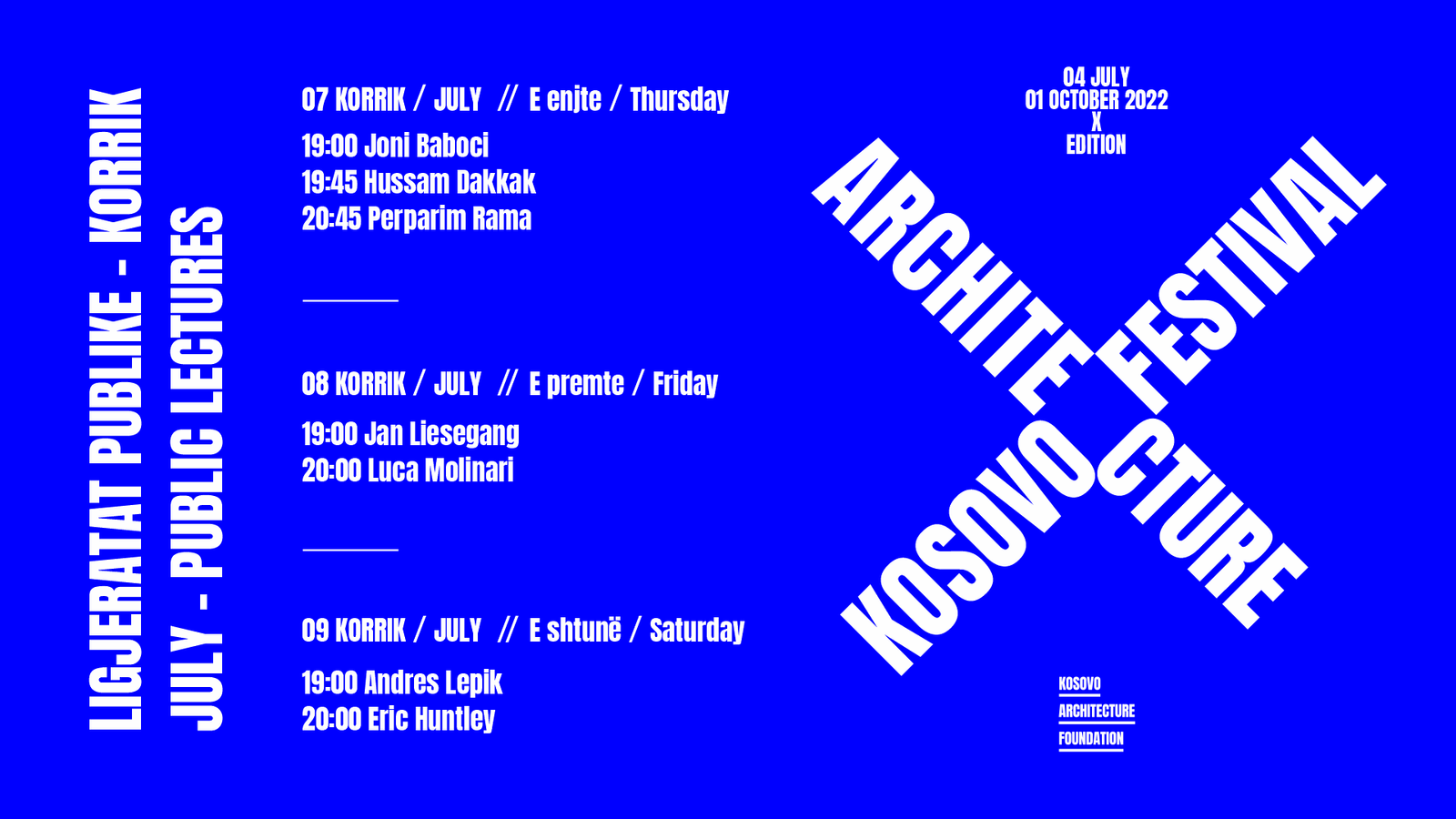
Eric Robsky Huntley is a Lecturer in Urban Science and Planning in the Department of Urban Studies and Planning at MIT, where they are a principal investigator with the Data + Feminism Lab. They are also currently a Visiting Lecturer in Landscape Architecture at the Harvard Graduate School of Design. Their work draws on spatial data science, feminist data studies, digital geography, and data literacy to connect oppressions to the networks of exchange and expertise that produce them—a form of action research they call “mapping up.” Their work has been supported by the Urban Studies Foundation, the Antipode Foundation, the New England Regional Fellowship Consortium, and the Abdul Lateef Jameel World Education Lab. They hold a PhD in Geography from the University of Kentucky, a Master’s in Urban and Regional Planning from the University of Michigan, and a Bachelor of Fine Arts in Performing Arts Technology, also from Michigan.
About the lecture / Data Don’t Drive: Mapping Up with Social Justice Movements
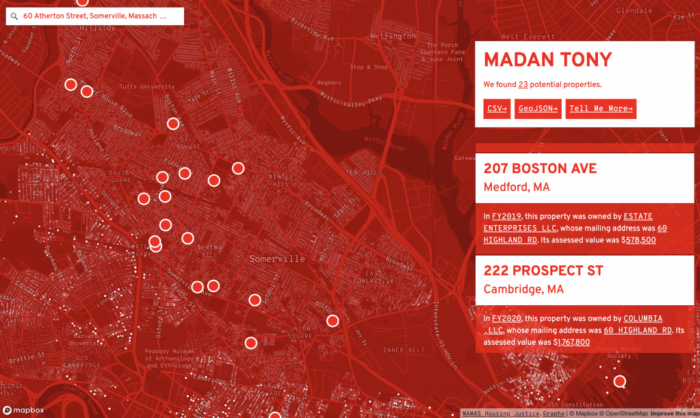
Life in cities is mediated by apps, platforms, and devices and governed by data-driven approaches. It is essential that planners and designers are equipped to bring critical perspectives to bear on mapping and data science; it is equally essential that they can answer critical questions using the tools and techniques of mapping and data science. In this talk, I will introduce an approach that I call “mapping up” through a series of projects: a quantitative study of evictions over the course of the COVID-19 pandemic, carried out with housing advocates in Massachusetts; a mapping and counterdata tool called Tenant Power that uses machine learning to support tenant organizing; and an ongoing collaboration with mining activists exploring industry trade shows as sites of knowledge-making in the extractive industries. I will show that critical data science research in planning can go beyond documenting disparities; it can play a key role in democratizing the digital realm and in connecting forms of structural oppression to the institutions and actors that perpetuate them.
The MIT Norman B. Leventhal Center for Advanced Urbanism is committed to fostering a rigorous design culture for the large scale; by focusing our disciplinary conversations about architecture, urban planning, landscape architecture, and systems thinking, not about the problems of yesterday, but of tomorrow. We are motivated by the radical changes in our environment, and the role that design and research can play in addressing these. We embrace conversations with the world’s top experts at MIT, to feed and foster our innovations. We take pride in the fact that participants in the Center do not just talk about things; they create projects, build things, and actively change our society out in the real world; and then come together to learn from each other’s experiences, publish, and debate about future directions.
AL/
Eric Robsky Huntley është ligjerues në Shkenca dhe Planifikim Urban në departamentin e studimeve urbane dhe planifikimit në MIT, ku ata janë hetues kryesor me Laboratorin ‘Data + Feminism’. Ata poashtu janë ligjërues vizitues në Arkitekturën e Peizazhit në ‘Harvard Graduate School of Design’. Puna e tyre bazohet në shkencën e të dhënave hapësinore, studimet feministe të të dhënave, gjeografinë dixhitale dhe shkrim-leximin e të dhënave për të lidhur shtypjet me rrjetet e shkëmbimit dhe ekspertizës që i prodhojnë ato – një formë e kërkimit të veprimit që ata e quajnë “mapping up”. Puna e tyre është mbështetur nga ‘Urban Studies Foundation’, ‘Antipode Foundation’, ‘New England Regional Fellowship Consortium’ dhe ‘Abdul Lateef Jameel World Education Lab’. Ata kanë një doktoraturë në Gjeografi nga ‘University of Kentucky’, një Master në Planifikimin Urban dhe Rajonal nga ‘University of Michigan’ dhe një Bachelor të Arteve të Bukura në Teknologjinë e Arteve Performuese, gjithashtu nga Michigan.
Rreth ligjerates / Data Don’t Drive: Hartimi me Lëvizjet për Drejtësi Sociale
Jeta në qytete ndërmjetësohet nga aplikacionet, platformat dhe pajisjet dhe drejtohet nga qasjet e drejtuara nga të dhënat. Është thelbësore që planerët
dhe projektuesit të jenë të pajisur për të sjellë perspektiva kritike për hartimin dhe shkencën e të dhënave; është po aq thelbësore që ata të mund t’u përgjigjen pyetjeve kritike duke përdorur mjetet dhe teknikat e hartëzimit dhe shkencës së të dhënave. Në këtë bisedë, unë do të prezantoj një qasje që unë e quaj “mapping up” përmes një sërë projektesh: një studim sasior i dëbimeve gjatë rrjedhës së pandemisë COVID-19, i kryer me përkrahësit e strehimit në Massachusetts; një vegël hartografike të quajtur ‘Tenant Power’ që përdor mësimin e makinerive për të mbështetur organizimin e qiramarrësve; dhe një bashkëpunim të vazhdueshëm me aktivistët e minierave që eksplorojnë shfaqjet tregtare të industrisë si vende të krijimit të njohurive në industritë nxjerrëse. Unë do të tregoj se hulumtimi kritik i shkencës së të dhënave në planifikim mund të shkojë përtej dokumentimit të pabarazive; ai mund të luajë një rol kyç në demokratizimin e sferës dixhitale dhe në lidhjen e formave të shtypjes strukturore me institucionet dhe aktorët që i përjetësojnë ato.
Qendra ‘MIT Norman B. Leventhal’ për Urbanizëm të Avancuar është e angazhuar për të nxitur një kulturë rigoroze të projektimit për shkallë të gjerë; duke i fokusuar bisedat tona disiplinore për arkitekturën, planifikimin urban, arkitekturën e peizazhit dhe të menduarit sistematik, jo për problemet e së djeshmes, por të së nesërmes. Ne jemi të motivuar nga ndryshimet rrënjësore në mjedisin tonë dhe nga roli që dizajni dhe hulumtimi mund të luajnë në adresimin e tyre. Ne përqafojmë bisedat me ekspertët më të mirë në botë në MIT, për të ushqyer dhe nxitur risitë tona. Ne krenohemi me faktin që pjesëmarrësit në Qendër nuk flasin vetëm për gjëra; ata krijojnë projekte, ndërtojnë gjëra dhe ndryshojnë në mënyrë aktive shoqërinë tonë në botën reale; dhe më pas mblidhemi për të mësuar nga përvojat e njëri-tjetrit, për të publikuar dhe për të debatuar për drejtimet e ardhshme.


EN/
Joni Baboci is an architect, planner and all-around urban enthusiast. He is the founder of Layer (https://getlayer.xyz), a spatial orchestration platform with global data coverage which empowers teams to govern through tactics and patterns while leveraging machine learning and artificial intelligence. He has previously served as the General Director of Planning and Urban Development for the City of Tirana and the director of Atelier Albania, a structure of the Albanian government dealing with national and regional strategic planning; Joni has executed planning, design & development projects at different scales at the national, regional and local levels. He consults on urbanism and planning for various cultural and multilateral institutions. Joni holds a Bachelor of Arts in Architecture from the University of Toronto and a Master of Science degree in Cities from the London School of Economics. You can find more about him on his website (https://joni.baboci.net) & newsletter (https://thinkthinkthink.substack.com).

About the lecture / Planning for Complexity: The urban planning paradigm is rapidly changing. From blockchain-based governance through decentralized autonomous organization to intense geospatial data science; from bottom-up community organization to individual small-scale local interventions: the future of city planning will be more complex than ever.

AL/
Joni Baboci është arkitekt, planer dhe entuziast urban i gjithanshëm. Ai është themeluesi i ‘Layer’ (https://getlayer.xyz), një platformë orkestrimi hapësinor me mbulim global të të dhënave që fuqizon ekipet të qeverisin përmes taktikave dhe modeleve duke përdorur mësimin e makinerive dhe inteligjencën artificiale. Ai ka shërbyer më parë si Drejtor i Përgjithshëm i Planifikimit dhe Zhvillimit Urban për qytetin e Tiranës dhe drejtor i ‘Atelier Albania’, një strukturë e qeverisë shqiptare që merret me planifikimin strategjik kombëtar dhe rajonal; Joni ka realizuar projekte planifikimi, projektimi dhe zhvillimi në shkallë të ndryshme në nivel kombëtar, rajonal dhe vendor. Ai konsultohet për urbanizëm dhe planifikim për institucione të ndryshme kulturore dhe shumëpalëshe. Joni ka një Bachelor të Arteve në Arkitekturë nga ‘University of Toronto’ dhe një diplomë Master Shkencor në Qytete nga ‘London School of Economics’. Mund të gjeni më shumë rreth tij në faqen e tij të internetit (https://joni.baboci.net) dhe gazetën (https://thinkthinkthink.substack.com).
Rreth ligjerates / Planifikimi për Kompleksitet: Paradigma e planifikimit urban po ndryshon me shpejtësi. Nga qeverisja e bazuar në ‘blockchain’ përmes një organizate autonome të decentralizuar në shkencën intensive të të dhënave gjeohapësinore; nga organizimi i komunitetit nga ‘bottom-up’ tek ndërhyrjet individuale lokale në shkallë të vogël: e ardhmja e planifikimit të qytetit do të jetë më komplekse se kurrë.

EN/
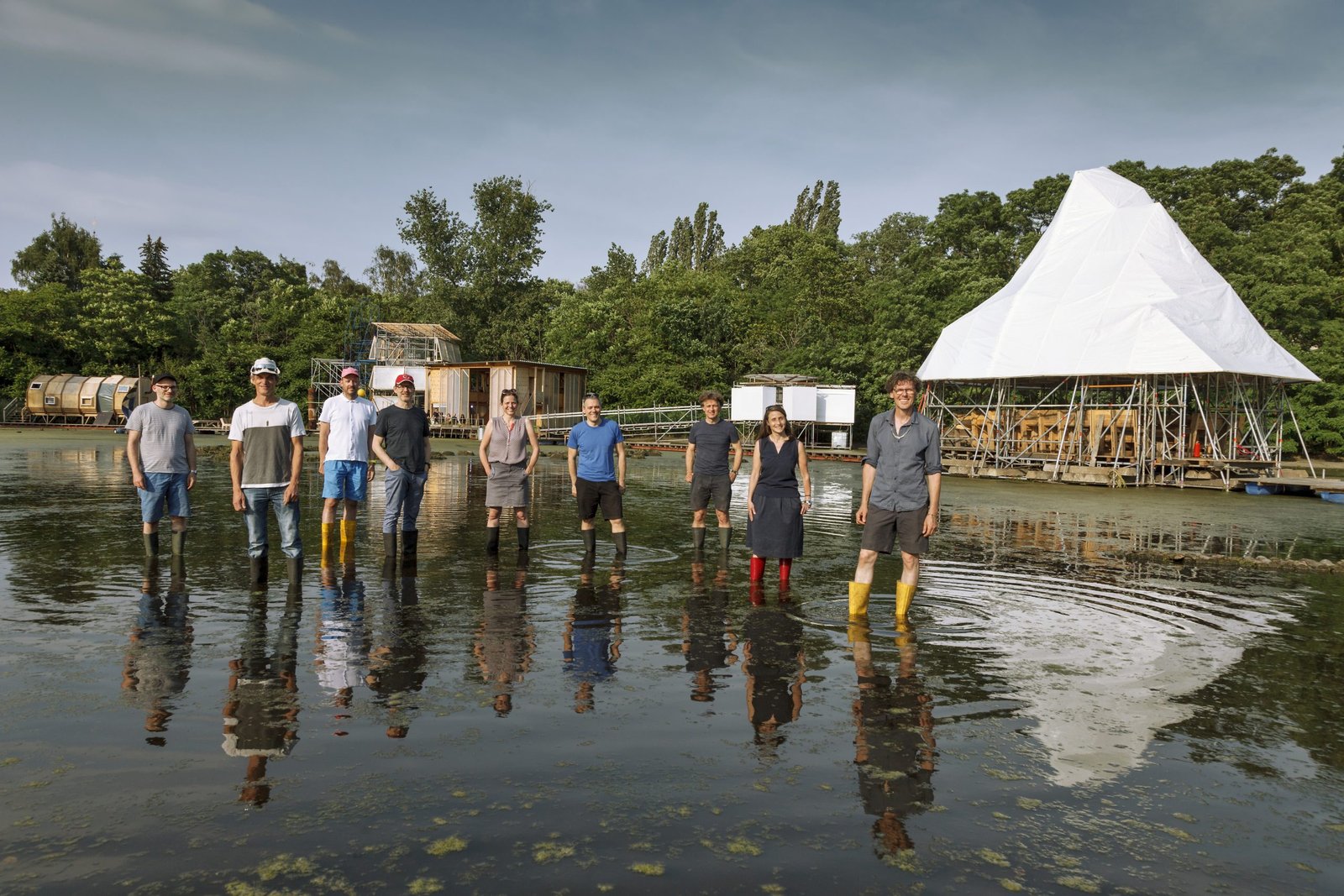
Since 1999 raumlaborberlin works in various interdisciplinary teams on urban design, architecture, experimental building and research. Today’s partners are Francesco Apuzzo, Markus Bader, Benjamin Foerster-Baldenius, Frauke Gerstenberg, Andrea Hofmann, Jan Liesegang, Christof Mayer, Florian Stirnemann, Axel Timm.
Jan Liesegang was born in Cologne 1968, he studied Architecture in Berlin, Copenhagen and at the Cooper Union School of Architecture, New York. After graduating in Berlin he worked for 3 years as project architect for Sauerbruch Hutton Architects, Berlin. In 1999 he co-founded raumlaborberlin. Today raumlabor works worldwide on contemporary architecture, urbanism, art and research. From 2001-07 he has been teaching architecture and urban planning at the Art Academy, Stuttgart. In 2010 he was awarded with a one-year research scholarship for the German Academy Villa Massimo in Rome. 2014/16 he taught master classes at the Bergen School of Architecture. Since 2017 he is professor for architecture at the Bergen School of Architecture. In 2015 he co published the book “building the city together” on experimental architecture and new self-organised public spaces.

AL/
Që nga viti 1999, ‘raumlaborberlin’ punon në ekipe të ndryshme ndërdisiplinore mbi dizajnin urban, arkitekturën, ndërtimin eksperimental dhe hulumtim. Partnerët e sotëm janë Francesco Apuzzo, Markus Bader, Benjamin Foerster-Baldenius, Frauke Gerstenberg, Andrea Hofmann, Jan Liesegang, Christof Mayer, Florian Stirnemann, Axel Timm.
Jan Liesegang ka lindur në Këln 1968, ai studioi Arkitekturë në Berlin, Kopenhagë dhe në ‘Cooper Union School of Architecture’, Nju Jork. Pas diplomimit në Berlin ai punoi për 3 vjet si arkitekt për ‘Sauerbruch Hutton Architects’, Berlin. Në vitin 1999 ai bashkëthemeloi ‘raumlaborberlin’. Sot raumlabor punon në mbarë botën në arkitekturën bashkëkohore, urbanizmin, artin dhe hulumtimin. Nga viti 2001-07 ka dhënë mësim arkitekturë dhe urbanistikë në Akademinë e Arteve, Shtutgart. Në vitin 2010 ai u shpërblye me një bursë kërkimore njëvjeçare për Akademinë Gjermane ‘Villa Massimo’ në Romë. 2014/16 ka ligjëruar klasa master në ‘Bergen School of Architecture’. Që nga viti 2017 është profesor për arkitekturë në ‘Bergen School of Architecture’. Në vitin 2015 ai bashkë botoi librin “building the city together” – ndërtimi i qytetit së bashku, mbi arkitekturën eksperimentale dhe hapësirat e reja publike të vetëorganizuara.

EN/
Architect, critic, curator, full professor of Theory and Architectural Design at the University of Campania “Luigi Vanvitelli”.
Editorial director of Platform Architecture and Design magazine, he collaborates as an independent author with Italian and foreign newspapers and magazines, including Corriere della Sera, La Stampa, L’Espresso, Domani, Domus, Lotus.
From 1995 to 2019 he was editorial manager of the Architecture and Design for Skira publishing. He currently collaborates for Architecture and special projects with the Marsilio Group. In October 2020 Luca Molinari has been appointed scientific director of M9 Museum.
In 2014 he founded his own firm Luca Molinari Studio in Milan, which tailors and supplies integrated services of curatorship, consulting, and project management within the fields of architecture and museum management.
He received the Ernesto Nathan Rogers Award for architectural criticism and communication in the context of the 10th International Architecture Exhibition – La Biennale di Venezia and the UIA Jean Tschumi Prize for Architectural Criticism.
Among his latest publications Dismisura (Skira, 2019) and Le case che siamo (nottetempo, 2016).
Among the latest curatorial projects: architecture coordinator for the ADI Design Museum (Milan, 2019); The Master of the Net Garden (Suzhou, 2019); The far / o / other, (Istanbul, 2019); Divine Section. Italian architecture for the Divine Comedy (Reggia di Caserta, 2018); scientific curatorship for the new Museum of the History of the City of Istanbul (Istanbul, 2016 – 2019); scientific coordination of the nine Clusters exhibitions, Expo Milano 2015.
AL/
Arkitekt, kritik, kurator, profesor i rregullt i Teorisë dhe Dizajnit Arkitekturor në Universitetin e Kampanisë “Luigi Vanvitelli”.
Drejtor redaktues i revistës ‘Platform Architecture and Design’, ai bashkëpunon si autor i pavarur me gazeta dhe revista italiane dhe të huaja, duke përfshirë ‘Corriere della Sera’, ‘La Stampa’, ‘L’Espresso’, ‘Domani’, ‘Domus’, ‘Lotus’.
Nga viti 1995 deri në vitin 2019 ka qenë menaxher redaktues i Arkitekturës dhe Dizajnit për botimin Skira. Aktualisht bashkëpunon për arkitekturë dhe projekte të posaçme me Marsilio Group. Në tetor 2020 Luca Molinari është emëruar drejtor shkencor i ‘M9 Museum’.
Në vitin 2014 ai themeloi firmën e tij ‘Luca Molinari Studio’ në Milano, e cila ofron shërbime të integruara të kuratorit, konsulencës dhe menaxhimit të projekteve brenda fushave të arkitekturës dhe menaxhimit të muzeut.
Ai mori çmimin ‘Ernesto Nathan Rogers’ për kritikë arkitekturore dhe komunikim në kuadrin e Ekspozitës së 10-të Ndërkombëtare të Arkitekturës – ‘La Biennale di Venezia’ dhe Çmimin ‘UIA Jean Tschumi’ për Kritikën Arkitekturore.
Ndër botimet e tij të fundit ‘Dismisura (Skira, 2019)’ dhe ‘Le case che siamo’ (2016).
Ndër projektet më të fundit kuratoriale: koordinatori i arkitekturës për ‘ADI ‘Design Museum’(Milano, 2019);‘Master of the Net Garden (Suzhou, 2019); ‘The far / o / other, (Istanbul, 2019)’ ; ‘Divine Section. Italian architecture for the Divine Comedy (Reggia di Caserta, 2018)’; kuratori shkencor për ‘Museum of the History of the City of Istanbul (Istanbul, 2016 – 2019)’; koordinimi shkencor i nëntë ekspozitave ‘Cluster, Expo Milano 2015’.

En/
Trained as art and architecture historian at University of Augsburg he received a research fellowship 1986-1989 at Bibliotheca Hertziana (Max-Planck-Institut) in Rome for his dissertation about Architecture Models in the Renaissance. In 1994 he started as curatorial assistant at Neue Nationalgalerie Berlin, from 1996 to 2007 working as curator and head of architecture collection of Kunstbibliothek, Staatliche Museen zu Berlin. From 2007 to 2010 he worked as Curator at the Architecture and Design Department of The Museum of Modern Art, New York. In 2011/12 he was Loeb-Fellow at Harvard’s Graduate School of Design. Since 2012 he is Professor for Architecture History and Curatorial Studies at Faculty for Architecture at Technical University Munich (TUM) and Director of Architecture Museum of TUM.
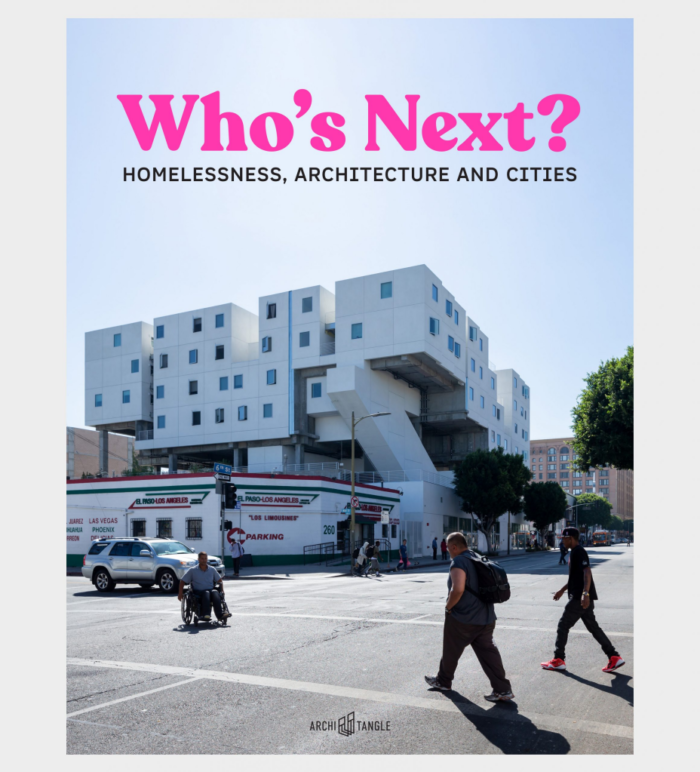
As curator he organized numerous architecture exhibitions in Berlin, New York, Munich. In Berlin he initiated a series of large-scale architecture exhibitions in Mies van der Rohe’s Neue Nationalgalerie, starting with “Renzo Piano. Architekturen des Lebens” (2000), followed by „Content / Rem Koolhaas und OMA/AMO“ (2003). He also worked on „Mies in Berlin“ (co-organized with The Museum of Modern Art, New York) presented in 2001-2002 in Altes Museum in Berlin. At MoMA he presented in 2010 the exhibition „Small Scale, Big Change. New Architectures of Social Engagement“, which was transformed in a traveling exhibition with the title “Think Global, Build Social!”, presented at DAM, Frankfurt am Main and AzW, Wien (2013). As a touring exhibition of Goethe-Institut it was presented from 2014-2018 in more than 30 venues all over the world.
In his current position at TUM he organized more than 30 exhibitions and edited or co-edited the related catalogs and publications. The focus of his research and curatorial work is on using exhibitions as a critical platform and to investigate the social relevance of architecture.
AL/
I trajnuar si historian i artit dhe arkitekturës në ‘University of Augsburg’, ai mori një bursë për hulumtim 1986-1989 në ‘Bibliotheca Hertziana’ (Max-Planck-Institut) në Romë për tezën e tij mbi Modelet e Arkitekturës në Rilindje. Në vitin 1994 ai filloi si kurator asistent në ‘Neue Nationalgalerie’ Berlin, nga viti 1996 deri në 2007 duke punuar si kurator dhe drejtues i koleksionit të arkitekturës së ‘Kunstbibliothek, Staatliche Museen’ në Berlin. Nga viti 2007 deri në 2010 ka punuar si kurator në departamentin e arkitekturës dhe dizajnit në ‘The Museum of Modern Art’, Nju Jork. Në 2011/12 ai ishte Loeb-Fellow në ‘Harvard Graduate School of Design’. Që nga viti 2012 është profesor për historinë e arkitekturës dhe studime kuratoriale në Fakultetin e Arkitekturës në ‘Technical University Munich’ (TUM) dhe drejtor i muzeut të arkitekturës në TUM.
