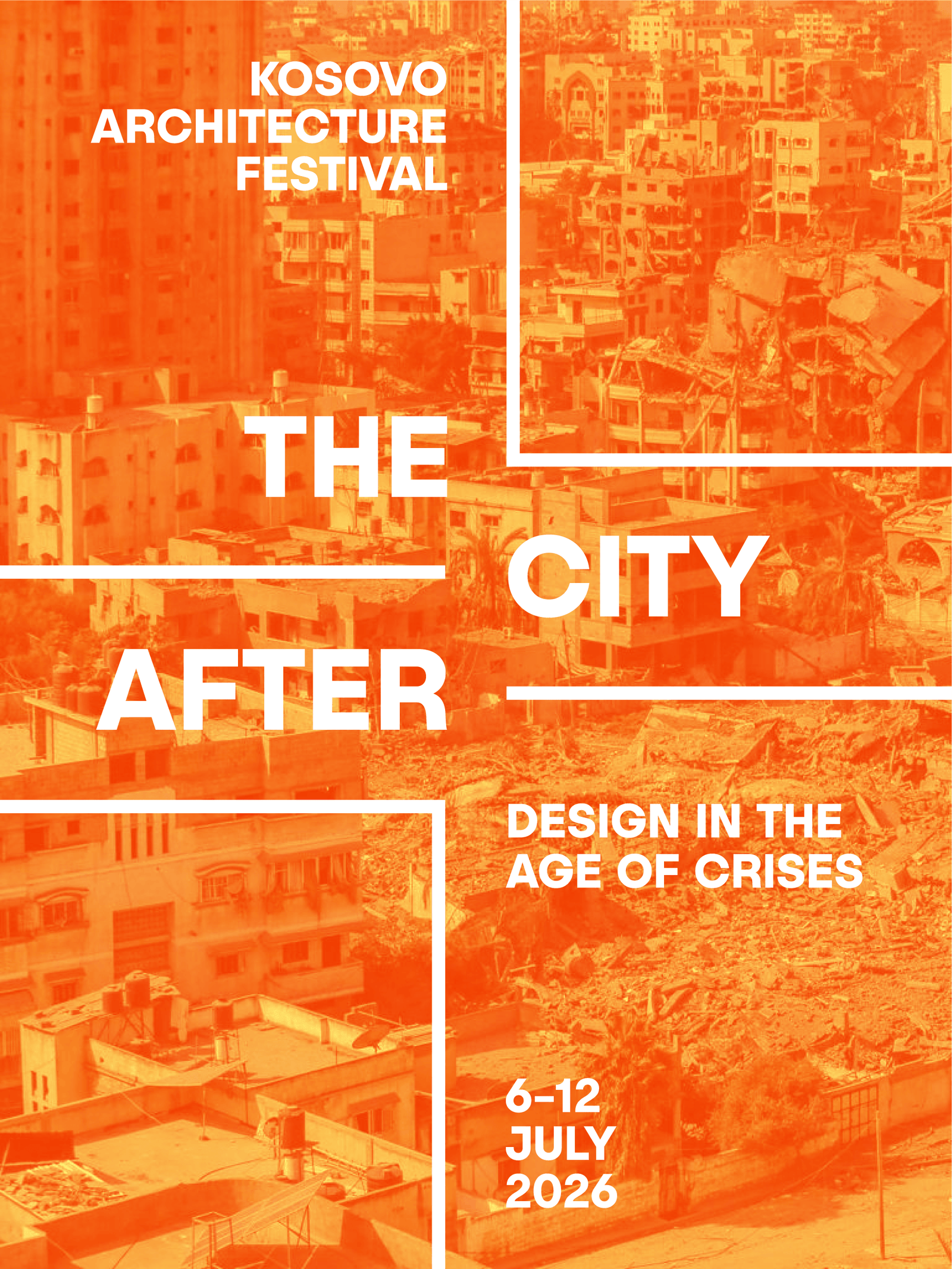
Workshop Dates: 6-10 July
Mentors: Banan Shbair, Diogo Rodrigues, Hala Awadallah, Mayra Deberg
About the workshop:
‘How can rubble become a social, ecological, and architectural resource for post-crisis recovery?’
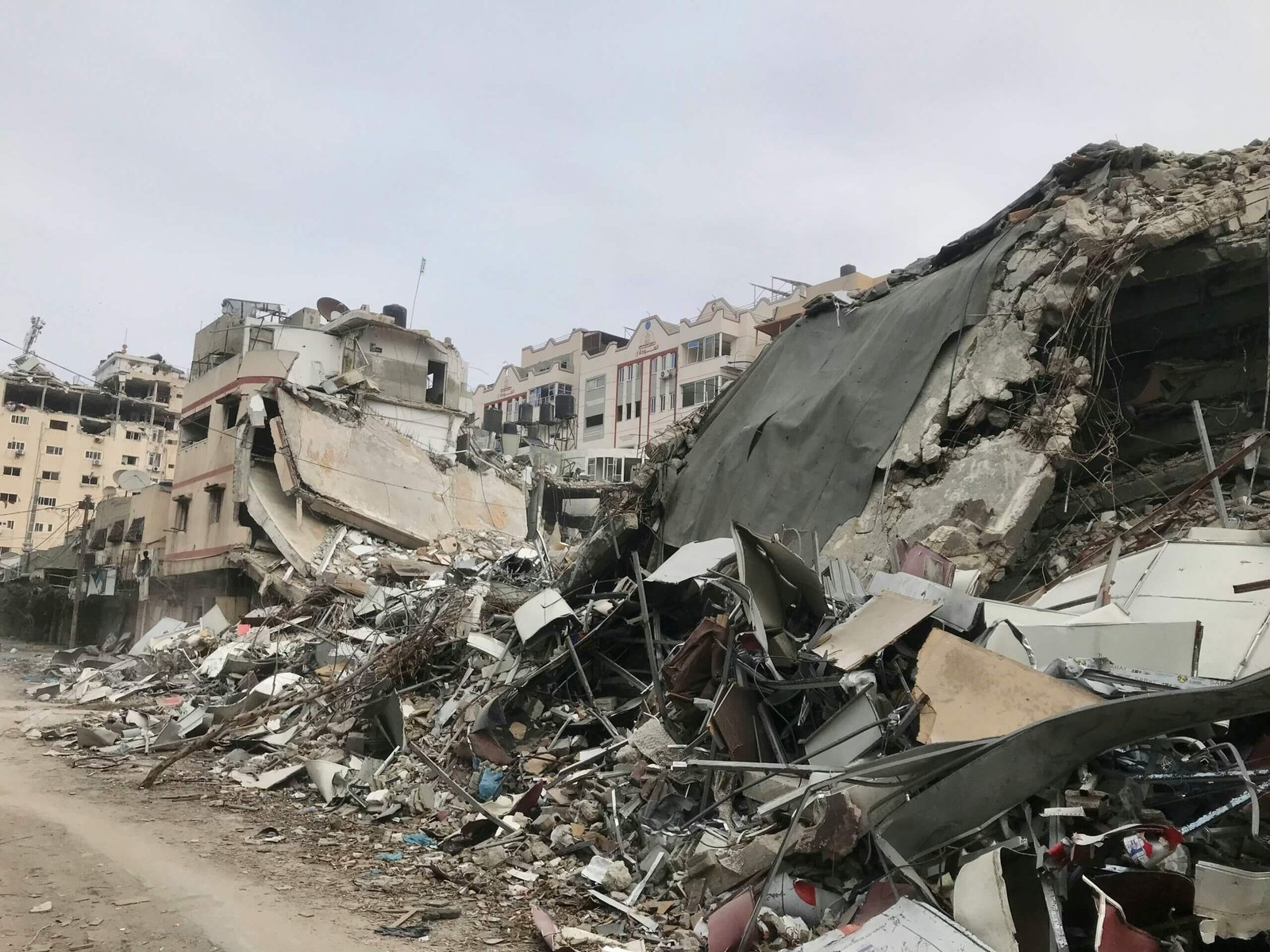
In contexts of severe conflict, the destruction of the built environment leaves behind physical debris while disrupting access to water, sanitation, food preparation, mobility, collective spaces and everyday forms of care. Hands as Tools is an experimental, hands-on workshop that explores how low-tech, community-driven approaches can transform rubble and salvaged materials into minimal infrastructures of care.
Focusing on the current crisis in Gaza, this workshop asks a critical question:
How can design contribute to dignity, comfort and autonomy in emergency contexts when materials, tools, energy and infrastructure are severely constrained?
The workshop will be organized around three interconnected themes: Material, Water and Infrastructure.
The material component will involve mapping, classifying and physically testing rubble and salvaged materials, especially concrete fragments, as possible components for reuse.
The water component will develop research and visual guidelines around low-tech systems for collection, storage, transport, pre-filtration, reuse and distribution.
The infrastructure component will connect these investigations into small-scale proposals for everyday needs, such as light sanitation, cooking support, cultivation, shade, storage, circulation, meeting points and shared-use elements.
Through practical experimentation, prototyping and diagrammatic communication, the workshop aims to develop a visual open-source guide that can be translated, adapted and shared with communities in Gaza through Palestinian collaborators.
Conceptual Framework
The Architecture of Constraint: Understanding how extreme limitations in materials and techniques actively shape and constrain design possibilities.
Rubble as a Resource: Shifting the narrative of debris from a symbol of destruction to a tangible building block for survival and modular infrastructure.
Dignity in Emergencies: Prioritizing human comfort, agency, and social meaning in rapid-response architecture.
Low-Tech Reactivation: Utilizing simple tooling, strategic mapping, and modular proposals to create decentralized, community-managed infrastructure.
Community Knowledge & Everyday Adaptation: Learning from the informal practices, local ingenuity, and everyday solutions developed by communities in Gaza. The workshop recognizes that valuable design knowledge already exists within lived experiences of displacement, resource scarcity, and material reuse.
Methodology
To ensure the design process remains grounded in reality, the workshop relies on the methodological creation of user guidelines under simulated constraints. Participants will work using a strict low-tech approach, applying the same limitations, materials, and simple tools that users in Gaza currently have access to. This hands-on simulation fosters empathy, practical problem-solving, and a deep understanding of material behavior in conflict contexts.
Workshop Structure & Context Input
A contextual presentation from Gaza will be included at the beginning of the workshop to ground participants in the current urban and humanitarian realities. This input will provide an understanding of lived experiences, material constraints, displacement conditions, and community adaptation practices that inform the design process
Expected Deliverables & Outputs
Open-Source Guidelines: A comprehensive set of small diagrammatic drawings and schematic manuals(For the materials and transformation of the materials + creation of the components and intervention related to water and infrastructure). These visual guides will be designed for extreme accessibility, ensuring they can be easily interpreted and utilized directly by communities and individuals in Gaza.
Material Prototypes: Practical, hands-on small-scale physical prototypes demonstrating the reuse of materials and the creation of functional infrastructure (e.g., modular water solutions or adaptable shelter joints).
Proposed Daily Schedule
Day 1: Context, Mapping & Meaning. Introduction to the material realities of Gaza. Mapping the emotional, social, and structural implications of rubble – (Interactive Waste Analysis Session).
Day 2: The Architecture of Constraint. Exploring “Material vs. Infrastructure.” Ideation sessions focused on low-tech water solutions and adaptable structures using restricted resources.
Day 3: Hands-On Prototyping. Practical application using simple tools. Participants begin building physical, small-scale prototypes using reclaimed steel, concrete, and debris.
Day 4: Systematizing Knowledge. Translating the physical prototypes and fabrication methods into clear, diagrammatic guidelines and schematics.
Cost and time testing phase: Evaluating models through a matrix based on the “minimum number of tools” and “fastest implementation time”, to ensure the solutions are realistic in Gaza’s conditions.
Day 5: Assembly & Vision. Finalizing the open-source manual and presenting the prototypes. Group reflection on designing for dignity, comfort, and resilience in emergency contexts.
Hands as Tools explores how low-tech, community-driven approaches can transform rubble, salvaged materials and locally available resources into minimal infrastructures of care in Gaza. Structured around the themes of Material, Water and Infrastructure, the project focuses on mapping, classifying and testing available materials, while developing research and visual guidelines for low-tech water systems, including collection, storage, transport, pre-filtration, reuse and distribution.
Through practical experimentation, prototyping and diagrammatic communication, participants will investigate how material reuse can support everyday needs such as light sanitation, cooking, cultivation, shade, storage, circulation and shared-use spaces. The main outcome will be an open-source visual guide composed of diagrams, material maps and step-by-step instructions, designed to be translated, adapted and shared with communities in Gaza through Palestinian collaborators.
All interested participants must send an email by the 29th of June with the subject line “Hands as tools” attaching a CV or samples of their work, specifying their year and field of study, and providing their contact information (email and phone number) to workshops.kaf@gmail.com.