
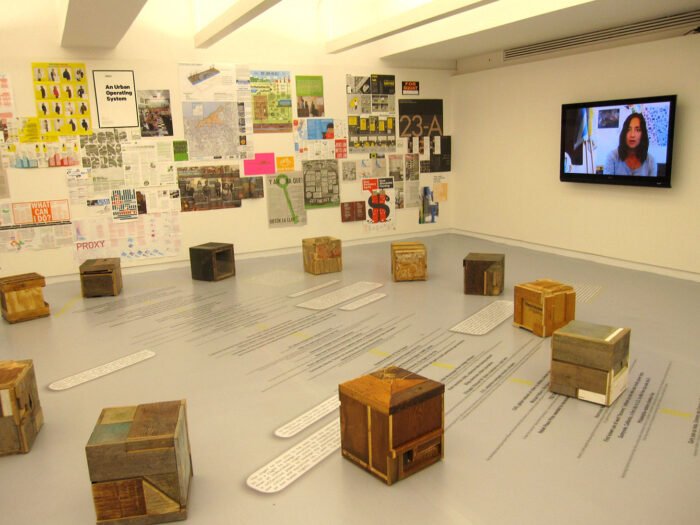
Anne Guiney is the Executive Director of the Institute for Urban Design, a think tank of urbanists that represented the United States at the 13th Annual Architecture Exhibition of the Venice Biennale with Spontaneous Interventions: Design Actions for the Common Good. The show, which celebrates small-scale projects initiated by architects, designers, artists, and everyday citizens that bring positive change to their neighborhoods and cities, received a special jury prize; it is the first time the American Pavilion has been honored in this way. The exhibition is now traveling in the U. S., and is currently installed in the Chicago Cultural Center and Millenium Park.
Spontaneous Interventions builds on the Institute’s work in connecting design and civic engagement: Guiney developed the innovative crowd sourced design project “By the City / For the City” as part of a new public festival, Urban Design Week, which launched in September 2011. This effort connected New Yorkers and their intimate knowledge of their neighborhoods with the problem-solving and imaginative abilities of architects, artists, and urban designers, and resulted in the book By the City / For the City: An Atlas of Possibility for the Future of New York.
Prior to joining the Institute, she was editor of the New York edition of The Architect’s Newspaper, and was part of the original team that launched the newspaper in 2003. She has also served as an editor at Architecture magazine and Metropolis, and has written widely on architecture and design for other publications, including Architect, ID, and Details.
Institute for Urban Design
The Institute for Urban Design works tirelessly to expand the public dialogue about progressive urban planning, development, and design. Since its founding in 1979, the Institute has been a central platform for debate among architects, planners, policy-makers, developers, academics, journalists, and urbanists. By representing the full range of stakeholder voices affected by urban development, we hope to advance the cause of quality in planning and urban design. Through a series of lectures, symposia, and publications, we work toward an environment in which everyone can advocate for a better, more vibrant and sustainable future for our cities.
In the last several years, the Institute has expanded its scope to civic engagement and activism, with a specific focus on empowering citizens to participate in the collaborative effort of city building. In September 2011, the Institute organized and hosted Urban Design Week, a festival that brought urban design into the public spotlight through a celebration of New York City’s exceptional urbanity. Over six days and 37 events, UDW connected New Yorkers with the fascinating and complex issues of the public realm. In conjunction with the festival, the Institute published By the City/For the City: An Atlas of Possibility for the Future of New York, a compendium of ideas for civic improvement submitted by hundreds of New Yorkers and designers from around the world.
Building on these ideas, the Institute created Spontaneous Interventions: Design Actions for the Common Good, an exhibition which documents projects initiated by American architects and designers aimed at bringing positive change to the public realm. The show was selected to represent the United States in the 13th Venice Architecture Biennale in fall 2012, and is currently installed in the Chicago Cultural Center and Millenium Park, in Chicago, IL.
AL /
Anne Guiney është Drejtoresha Ekzekutive e Institutit për Dizajnin Urban, një think-tank mbi urbanizmin që përfaqësoi Shtetet e Bashkuara në Ekspozitën e 13-të të Arkitekturës ne Bienalen e Venedikut me “Ndërhyrjet Spontane: Veprime të Dizajnit për të mirën e përbashkët”. Ekspozita, e cila festoi projektet të shkallëve të vogla të iniciuara nga arkitektë, dizajner, artistë, dhe qytetarë të përditshme që sjellin ndryshim pozitiv në lagjet dhe qytete e tyre, mori një çmim special të jurisë, kjo është hera e parë që pavijoni amerikan ka qenë i nderuar në këtë mënyrë .Ekspozita tani është duke udhëtuar në SHBA, dhe është instaluar aktualisht në Qendrën Kulturore në Chicago dhe Millenium Park.
Ndërhyrjet spontane bazohet në punën e Institutit që lidhet me projektimet dhe angazhimin qytetar: Guiney zhvilluar një projekt inovativ për burimin e qytetarëve “Nga Qyteti / Për Qytetin”, si pjesë e një festivali të ri publik, Java e Dizajnit Urban, i cili filloi në shtator 2011. Kjo përpjekje lidhi njujorkezët dhe njohuritë e tyre intime të lagjeve të tyre me aftësitë e zgjidhjes së problemeve dhe imagjinatën e arkitektëve, artistëve, dhe dezajnerëve urbanë, dhe rezultoi në librin “Nga Qyteti / Për Qyteti: Një Atlas i mundësisë për Ardhmërinë e Nju Jorkut”.
Para se t’i bashkohej Institutin, ajo ishte redaktore e edicionit Architect’s Newspaper të Nju Jorkut, dhe ishte pjesë e ekipit që nisi gazetën në vitin 2003. Ajo ka shërbyer edhe si redaktore në revistën Architecture Magazine dhe Metropolis, dhe ka shkruar gjerësisht mbi arkitekturën dhe dizajnin për botime të tjera, duke përfshirë edhe Architect, ID, dhe Details.
Instute për Dizajn Urban
Instituti për Dizajnin Urban punon pa pushim për zgjerimin e dialogut publik në lidhje me planifikimin urban, zhvillimin progresiv, dhe dizajnin. Që nga themelimi i saj në vitin 1979, Instituti ka qenë një platformë qendrore për debat në mesin e arkitektëtve, planifikuesve, hartuesve tInstute për Dizajnin Urban
Instituti për Dizajnin Urban punon pa pushim për zgjerimin e dialogut publik në lidhje me planifikimin urban, zhvillimin progresiv, dhe design. Që nga themelimi i saj në vitin 1979, Instituti ka qenë një platformë qendrore për debat në mesin e arkitektët, planifikuesit, hartuesve të politikave, zhvilluesve, akademikëve, gazetarëve dhe urbanistëve. Duke përfaqësuar gamën e plotë të zërave të palëve të interesuara dhe të prekura nga zhvillimi urban, ne shpresojmë për të çuar përpara kauzën e cilësisë në planifikimin dhe projektimin urban. Nëpërmjet një serie ligjeratave, simpoziumeve dhe botimeve, ne punojmë drejt një mjedis në të cilin të gjithë mund të avokojnë për një të ardhme më të mirë, më të gjallë dhe të qëndrueshëm për qytetet tona.
Në disa vitet e fundit, Instituti ka zgjeruar gamën e saj me angazhimin qytetar dhe aktivizmin, me një fokus të veçantë në fuqizimin e qytetarëve për të marrë pjesë në përpjekjet bashkëpunuese të ndërtimit të qytetit. Në shtator 2011, Instituti organizoi dhe priti Javën e Dizajnit Urban, një festival që solli dizajn urban në qendër të vëmendjes publike përmes një feste të urbanitetit të jashtëzakonshëm të Nju Jorkut. Gjatë gjashtë ditëve dhe 37 ngjarjeve, JDU lidhi njujorkezët me çështjet interesante dhe komplekse të sferës publike. Në lidhje me këtë festival, Instituti botoi “Nga Qytetit / Për Qytetin: një atlas i mundësisë për Ardhmërinë e Nju Jorkut”, një përmbledhje e ideve për përmirësimin e rolit të qytetarëve të dorëzuar nga qindra njujorkezë dhe dezajner nga e gjithë bota.
Duke u bazuar mbi këto ide, Instituti krijuar Ndërhyrjet Spontane: Veprime të Dizajnit për të mirën e përbashkët, një ekspozitë e cila dokumenton projekte të iniciuara nga arkitektë dhe projektues amerikan që synojnë të sjellin ndryshime pozitive në sferën publike. Shfaqja u zgjodh për të përfaqësuar Shtetet e Bashkuara në Bienalen e 13-të të Venedikut në vjeshtë të vitit 2012.
Disa nga kontribuesit e IfUD-it janë: Jane Jacobs, Daniel Patrick Moynihan, Richard Sennett, Denise Scott Brown, Simon Schama, Adolfo Carrion dhe Moshe Safdie.


Ila Beka – Architect & Filmmaker and Louise Lemoine – Filmmaker
Dokumentaret e Beka Productions “Living Architectures”
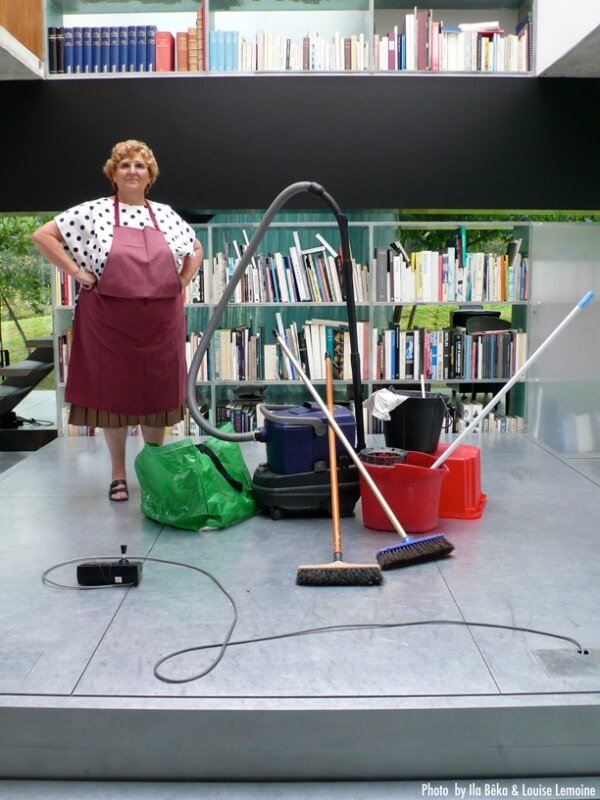
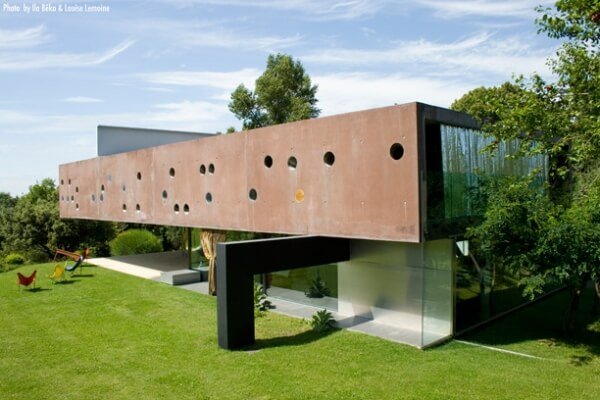
“Living Architectures” is a series of films that seeks to develop a way of looking at architecture which turns away from the current trend of idealizing the representation of our architectural heritage. The cult of perfect, disembodied forms entirely devoid of people, inevitably leads to a break-up between architecture and living space.
Through these films, Ila Bêka and Louise Lemoine put into question the fascination with the picture, which covers up the buildings with preconceived ideas of perfection, virtuosity and infallibility, in order to demonstrate the vitality, fragility and vulnerable beauty of architecture as recounted and witnessed by people who actually live in, use or maintain the spaces they have selected.
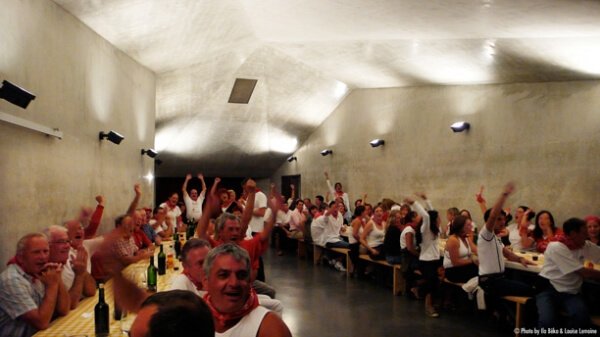
Thus, their intention is to talk about architecture, or rather to let architecture talk to us, from an “inner” point of view, both personal and subjective. Unlike most movies about architecture, these films focus less on explaining the building, its structure and its technical details than on letting the viewer enter into the invisible bubble of the daily intimacy of some icons of contemporary architecture. Through a series of moments and fragments of life, an unusually spontaneous portrait of the building would emerge. This experiment presents a new way of looking at architecture which broadens the field of its representation.
The buildings they have chosen are mainly of architectural renown, and designed by the so called “star architects” who were awarded the Pritzker Prize.
media comments:
“The architecture cult movie!” El Pais
“Heartfelt, thought-provoking and hilariously funny” The New York Times
“A thoroughly delightful film” The Wall Street Journal “Magique!” Le Monde
per ILA BÊKA & LOUISE LEMOÎNE
« Cult figures in the European architecture world. » Nicolai Oroussoff, The New York Times
takes from the documentaries
The lecture was held during the first architecture festival / Prishtina Architecture Week 2013
AL /
“Living Architectures” është një seri e filmave që kërkon të zhvillojë një mënyrë tjetër të hulumtimit në arkitekturë e cila largohet nga trendin aktual të idealizuarit dhe përfaqësimit të trashëgimisë sonë arkitektonike. Kulti i formave të përsosur, pa trup tërësisht të zbrazura nga njerëzit, në mënyrë të pashmangshme të çon në një ndarje në mes të arkitekturës dhe hapësirës së jetesës.
Përmes këtyre filmave, Ila Beka dhe Louise Lemoine vënë në pikëpyetje magjepsjen me foto, mbulimin e ndërtesës me ide të paramenduar të funksionalitetit, virtuozitetit, përsosmërisë dhe pagabueshmërisë, në mënyrë që të demonstrojë bukurinë, vitalitetin, brishtësinë e arkitekturës duke marrë parasyshë dëshmitarë nga njerëz të cilët në fakt jetojnë në këto objekte, e përdorimin ose mirëmbajtjen hapësirat që ata kanë zgjedhur.
Kështu, qëllimi i tyre është të flasim për arkitekturë, ose më mirë për të lenë që arkitektura të bisedoj me ne, nga një pikë e “brendshme” e të parë, si personale dhe subjektive. Ndryshe nga filmat rreth arkitekturës, këto filma përqendrohen më pak në shpjegimin e ndërtesës, strukturën e saj dhe detajet e veta teknike, keto filma i lënë shikuesit të hyjnë në flluskën e padukshme për ta eksploruar intimitetin e përditshmëm të disa ikonave të arkitekturës bashkëkohore. Nëpërmjet një seri momentesh dhe fragmente të jetës, një portret jashtëzakonisht spontan i ndërtesave do të dilte. Ky eksperiment paraqet një mënyrë të re për të shikuar në arkitekturën e cila zgjeron fushën e përfaqësimit të saj.
Ndërtesat që ata kanë zgjedhur janë kryesisht projekte të famshme arkitektonike dhe janë të projektuar nga arkitektë të ashtuquajtura “Starchitects” dhe të cilët janeë shpërblye me Çmimin Pritzker.
Komentet media:
“Kult filma për Arkitekturën!” El Pais
“Të përzemërta, mendje-provokuese dhe tepër qesharake” The New York Times
“Një film tërësisht i lezetshëm” Wall Street Journal
“Magjike!” Le Monde për Ila Beka & Louise Lemoine
« Figura kulti në botën e arkitekturës evropiane. »Nicolai Oroussoff, New York Times
Fragmente nga filmat dokumentarë:
Kjo ligjeratë u mbajt gjat festivalit të parë të arkitekturës / Java e Arkitekturës në Prishtinë 2013


Përparim Rama is an award-winning architect and conceptual artist, who turns ideas into spaces of experiential excellence. As founding director of the London-based 4M Group, he is responsible for the overall project management and development planning of the practice. His projects range from the luxury residential to the commercial, from high-end hotels to mixed-use development, and urban planning. Despite having a team of directors, Rama continues to be the driving force behind the business and takes a hands-on approach, ensuring that the exceptional standards he set at the start of 4M Group in 2004 remain in place throughout his company. In 2009, 4M was ranked in the top fifty Sustainable Design Studios in the UK by Open City. His unrivalled vision, leadership and top-notch quality work has been noticed by news outlets such as London Building Design Magazine, BBC, RAI, The Times newspaper, and has resulted in a plethora of happy clients worldwide.
Last year the 13th Venice Architecture Biennale saw Rama representing Kosovo for the first time in the country’s history, with an installation entitled, “The Filigree Maker,” an emotional barometer related to Kosovan streets and buildings. The pavilion was internationally praised, and was noted especially by the Biennale’s President Paolo Baratta, who referred to it as “architectural democracy.”
Rama consults the Qatari National Research Fund on the Doha 2030 Vision, a government sponsored initiative for the future urban planning of the capital city. He is the London team project leader on the Dhermi 10HA sustainable village master plan project along southern Albania’s Ionian coast. Through his many collaborations on large-scheme projects, he has developed a creative thinking method for the design of new enterprises.
His background includes being the specialist consultant on developing Tools for Spatial Planning and Architecture for Newham Council and Tower Hamlets in London in preparation for the London OLYMPICS 2012. He was in charge of the international design consortium led by 4M GROUP in design to planning approval for the ENK Complex mixed-use development in Prishtina, Kosova. Additionally, he was project leader in designing the urban regulating plan for the capital city. Rama’s architectural projects, however, do not stop at London, Kosovo and Albania, but extend to New York, USA; Dublin, Ireland; Turks and Caicos Islands; Udine, Italy; Kotor, Montenegro; Lagos, Nigeria; Basel, Switzerland; Prague, Cheque Republic; and Damascus, Syria.
As a former tutor at Nottingham University School of Architecture, and in his capacities as visiting tutor/critic at the University of East London (on Degree, Diploma and MSc in Computing & Design), and Visiting Critic at the Architectural Association, as well as his work as co-supervisor to PhDs in the area of Generative Architecture & SMART building design (at the MA and PHD program at SMARTlab Digital Media Institute), Rama has a significant reputation among students for being passionate about the subjects he teaches and for holding students to high standards. He not only encourages them to learn how to articulate their vision, but also supports them in developing a creative mind-set that considers both design and build implications on humanity and the environment.
Rama has extensively examined spontaneous settlements and self-organisation, focusing on Generative Architecture with a Master’s Degree with Distinction in Computing & Architecture. He has immersed himself in lessons from nature for the built environment, and has particular research interests in sustainable development strategies shaping cities, and chaos and complexity theories.
Founded in 2004, 4M Group is a London – based bespoke design-build firm of talented and ambitious architects, designers, builders and planners from different parts of the world. With vision and a fundamental commitment to innovation and sustainability, 4M is a thriving organisation that has a thorough expertise in delivering innovative solutions across private and public sectors.
Our areas of expertise include residential, retail, hospitality, and urban mixed-use projects. From architectural design to completion, every aspect of the project is managed and implemented by our staff, providing a full-service from design, cost and programme consultancy through to construction project management. 4Ms collaborative client- designer relationship and dedication to surpassing expectations has resulted in lasting friendships and a global network of connections.
Our approach is hands-on: we are builder architects. Our concern is the happiness and well-being of individuals and communities. We integrate the art of architecture with innovative technology, crafting iconic designs that continue to challenge existing standards and advocate for a novel realm for living and working.
Some of our current projects include: a pharmacy chain in Lagos, Nigeria; the master-planning and architectural design of an Eco-Village in Dhermi, Albania; a community of homes in Bernica Park, Kosovo; high-end residences in London’s Chelsea, Mayfair, Notting Hill, Belsize Park, Southwark and Hackney.
Internationally recognised for delivering projects of high-quality, our goal is to create soulful and timeless spaces which move the human spirit and enhance the connection between our clients and their surroundings. As a socially and environmentally conscious firm of specialists, we strive to create spaces that are not just aesthetically appealing, but also showcase an inherent ecological responsibility that simultaneously caters to the needs and desires of those who use them.
We take great pride in our work and undertake each project with passion and special attention to detail, considering the spatial and material demands of each client. 4M’s ability to empathise and focus on understanding the needs of each client is the cornerstone of our work and office philosophy.


BNArchitects & associates is founded in the summer of 2008 by bujar nrecaj. our work extends in switzerland, kosova and albania. We are convinced that the quality of our built environment is a crucial component of our life. We do not work with constant rules and certain materials. we create „place architecture“ – architecture that is derived from a very specific context, for specific people – with the objective to create a significant and supra-quality built environment. We see ourselves as a powerful and competent partner within an holistic project team. together with our customers and professional engineers we are creating specific and individual project solutions. oriented on cost and time we realize the maximum design for life quality.
The lecture was part of the first architecture festival in Kosovo / Prishtina Architecture Week 2013

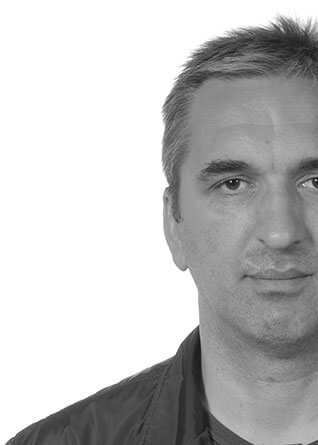
Astrit Nixha, 1964 Prishtina. Finished his studies in Architecture at the Prishtina University, after an extensive work experience in Britain, Nixha returned to Kosovo to first establish Nixha&Partners and later ANARCH.
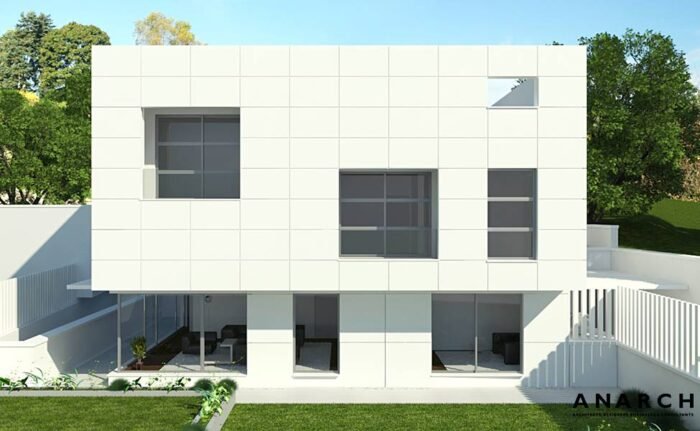
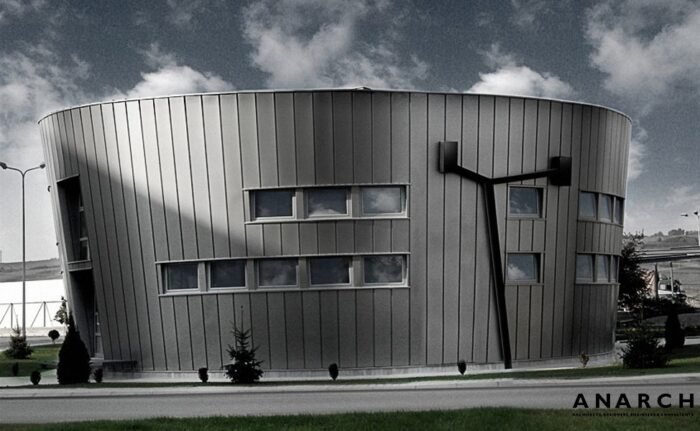
Nixha founded ANARCH in 2004. Over 20 years of architectural and managerial experience. At ANARCH quality comes first. The quality of our work is our number one priority, when it comes to achieving costumer satisfaction. Our clients are the focus of everything we do. We strive for excellence in every aspect of our work from our conception of creativity, safety and value in our project our human relations to our competitiveness and productivity. ANARCH is constantly striving to improve and cater its services to costumers needs by prospering as a business and providing client satisfaction as well as a reasonable return. People, service, products and profit are how we accomplish our mission of creating quality structures one can be proud of. ANARCH’s rich portfolio of work extends beyond Kosovo and Albania.


Arbnor Murati (1981) studied architecture at the Federal Polytechnic (ETH) Zurich and the Academy of Architecture in Mendrisio. In 2009 he opened his own studio in Morkote which expanded in 2012 in Lugano. Arbnor Murati in 2011, only twenty-nine years old, won the first place among 125 participating studios in the prestigious international competition for the realization of the university campus USI / SUPSI of Lugano. Currently with his collaborators in the studio he works on various projects in Switzerland and the world. His works have been published in various newspapers and magazines as Tec21, Baublatt, Archi and WERK, bauen und Wohnen etc.
Arbnor Murati an architect known as the anti-confirmative critic, intellect, and not feeling, is the basis for his projects. The latter are distinguished by a special programmatic, structural, and iconographic revelation, contained in themself.
Conceives architecture as a whole and long process of autopoetic reflection, which helps introspective work during a project to find the Internal Order contained within. In short words, meaning if the architecture does not have a constructive detail, then simply it doesn’t have an idea and vice versa. In his opinion a good architectural design is a naive one.
Arbnori in 2011 was featured in the magazines WERK, bauen und Wohnen where he was announced as one of the best architects close to the 30s in Switzerland.
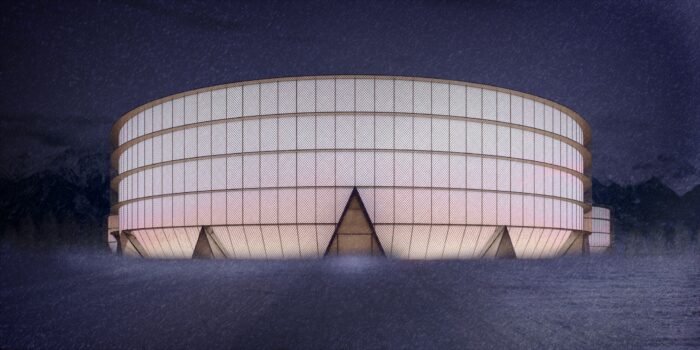
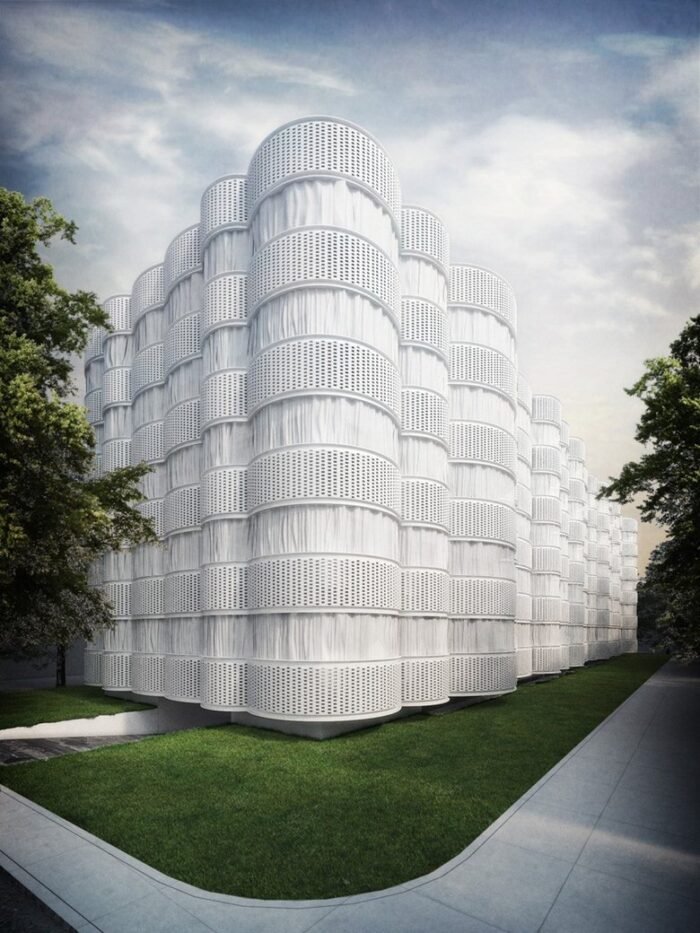

Marta Pozo Gil (Valencia, 1973) is an architect, licensed BREEAM assessor and LEED green Associate. She has been working with MVRDV since 2007 where, in addition to her role as a Project Leader, Marta leads MVRDV’s Sustainability Department. By forming environmental strategies and energy-efficiency guidelines for each design process, Marta ensures a high standard is maintained for all of MVRDV’s projects.
Marta has been involved in the conceptualizing and execution of projects of various scales. She is currently leading the design team for Montecorvo Eco City in Logroño, Spain. MVRDV’s award-winning competition design (2008) envisions the construction of a sustainable neighbourhood of 3000 units of social housing, a school and public facilities. To achieve a CO2-neutral footprint, 100% of the required energy will be generated on-site by means of wind and solar power, complemented by a bioclimatic layout, recycling facilities, reuse of greywater, etc. The first phase of the project is scheduled to break ground in 2013.
Marta is also working on a dense urban masterplan in Bordeaux, France – an ambitious “eco-quartier” where all energy consumed by the masterplan will be produced on-site. The 35ha site, which will redevelop former military grounds, extends Bordeaux’s city center across the Garonne river and provide 3200 homes, offices and urban amenities. MVRDV’s masterplan carefully respects the existing urban fabric and creates an intimate character for the new neighbourhood. It is referred to as a ‘capillary city’; a contemporary update of the historic European city – combining history, human scale and individualism with density and sustainability. The masterplan’s buildings have high energy performance ratings, and ensure natural sunlight, even in the winter. Other sustainability considerations include: the masterplan’s water cycle, waste management and material selection.
When realised, Zac Bastide Niel will be one of the largest zero-energy neighbourhoods in the world, and is an excellent example of how new sustainable districts can improve the quality of life in our cities. The project is regarded as the most significant contemporary urban intervention in Bordeaux. Construction is to start in 2014.
Marta has received degrees from Universidad Politécnica de Valencia, Spain (2001) and TU Berlin, Germany (2004). She regularly lectures and has won several awards.
MVRDV was set up in Rotterdam (the Netherlands) in 1993 by Winy Maas, Jacob van Rijs and Nathalie de Vries. MVRDV engages globally in providing solutions to contemporary architectural and urban issues. A research based and highly collaborative design method engages experts from all fields, clients and stakeholders in the creative process. The results are exemplary and outspoken buildings, urban plans, studies and objects, which enable our cities and landscapes to develop towards a better future.
The products of this approach vary and range from buildings of all types and sizes, to urban designs to publications and installations. Realized projects include the Dutch Pavilion for the World EXPO 2000 in Hannover, an innovative business park ‘Flight Forum’ in Eindhoven, the Silodam Housing complex in Amsterdam, the Matsudai Cultural Centre in Japan, Unterföhring office campus near Munich, the Lloyd Hotel in Amsterdam, an urban plan and housing in The Hague Ypenburg, the rooftop – housing extension Didden Village in Rotterdam, the cultural Centre De Effenaar in Eindhoven, the boutique shopping building Gyre in Tokyo, Veldhovens Maxima Medical Centre and the iconic Mirador and Celosia housing in Madrid.
Current projects include various housing projects in the Nether- lands, Spain, China, France, the United Kingdom, USA, India, Korea and other countries, a bank headquarter in Oslo, Norway, a public library for Spijkenisse , Netherlands, a central market hall for Rot- terdam, a culture plaza in Nanjing, China, large scale urban plans include a plan for an eco-city in Logroño, Spain, an urban vision for the doubling in size of Almere, Netherlands and Grand Paris, the vision of a post-Kyoto Greater Paris region.
MVRDV first published a cross section of its projects in FARMAX (1998), followed by a.o. MetaCity/Datatown (1999), Costa Iberica (2000), Regionmaker (2002), 5 Minutes City (2003), KM3 (2005), and more recently Spacefighter (2007) and Skycar City (2007). MVRDV deals with global ecological issues in large scale studies such as Pig City as well as in small pragmatic solutions for devastated areas of New Orleans.
The work of MVRDV is exhibited and published world wide and re- ceives international awards. The 60 architects, designers and staff members conceive projects in a multi-disciplinary collaborative design process and apply highest technological standards.
Together with Delft University of Technology MVRDV runs The Why Factory, an independent think tank and research institute providing argument for architecture and urbanism by envisioning the city of the future.
AL /
Marta Pozo Gil (Valencia, 1973) është një arkitekte e licencuar, BREEAM vlerësuese dhe LEED Associate. Ajo punon në MVRDV që nga viti 2007, ku, përveç rolit të saj si një udhëheqës e projekteve, Marta drejton Departamentin e MVRDV-së për qëndrueshmërinë o objekteve. Me formimin e strategjive mjedisore dhe energji-eficiente udhëzimet për çdo proces të projektimit, Marta siguron një standard të lartë për të gjitha projektet e MVRDV-së.
Marta ka qenë e përfshirë në konceptimin dhe zbatimin e projekteve të shkallëve të ndryshme. Ajo aktualisht është duke udhëhequr ekipin e projektimit për Montecorvo Eko City në Logroño, Spanjë. Ky projekt çmim-fitues i MVRDV-së, parashikon ndërtimin e një lagje të qëndrueshëm prej 3000 njësive të strehimit social, një shkollë dhe objekteve publike. Për të arritur një CO2-neutral hapësirë, 100% e energjisë së kërkuar do të gjenerohet në vend me anë të erës dhe energjisë diellore, të plotësuar nga një plan urbanistik bioklimatik, riciklimi, ripërdorimi i objekteve, ujit gri, e kështu me rradhë. Faza e parë e projektit është planifikuar për të nisur në vitin 2013.
Marta është gjithashtu duke punuar në një masterplan të dendur urban në Bordo, Francë – një projekt ambicioz “eco-quartier”, ku të gjithë energjia e konsumuar nga ana e masterplanit do të prodhohen në vend. Sajti 35 hekterësh, i cili do të rizhvilloj një ish bazë ushtarak, shtrihet në qendër të Bordeaux përtej lumit Garonne dhe do të sigurojë 3.200 shtëpive, zyre dhe komoditete urbane. Masterplani i MVRDV me kujdes respekton strukturën ekzistuese urbane dhe krijon një karakter intim për lagjen e re. Ajo është referuar si një “qytet kapilar”; një përpunim bashkëkohorë i qytetit historik evropian – duke kombinuar historinë, shkallën e njeriut dhe individualizmin me dendësi dhe qëndrueshmërinë. Ndërtesat e masterplanit kanë vlerësime të larta të performancës energjetike si dhe sigurimin e diellosjës natyrore, madje edhe në dimër. Konsiderata të tjera qëndrueshmërisë përfshijnë: reciklimin e ujit, menaxhimin e mbeturinave dhe përzgjedhjën e materialeve.
Kur realizohet, Zac Bastide Niel do të jetë një nga lagjet më të mëdha në botë me konsum zero të energjisë, dhe është një shembull i shkëlqyer se si lagje të reja mund të përmirësojë qëndrusheshmërinë dhe cilësinë e jetës në qytetet tona. Projekti është konsideruar si ndërhyrje më e rëndësishëm bashkëkohor urbane në Bordo. Ndërtimi do të fillojë në vitin 2014.
Marta ka diplomuar në Universidad de Politecnica Valencia, Spanjë (2001) dhe TU Berlin, Gjermani (2004). Ajo rregullisht ligjëron dhe ka fituar disa çmime.
MVRDV u krijua në Roterdam (Holandë) në vitin 1993 nga Winy Maas, Jacob van Rijs dhe Nathalie de Vries. MVRDV angazhohet globalisht në ofrimin e zgjidhjeve për çështjet bashkëkohore arkitektonike dhe urbane. Me bazë hulumtuese dhe metodologji dizajni shumë bashkëpunuese duke angazhuar ekspertë nga të gjitha fushat, klientët dhe palët e interesuara në procesin krijues. Rezultatet janë shembullor objekte, plane urbanistike, studime dhe objekte, të cilat mundësojnë qytetet tona dhe peizazhe të zhvillohen drejt një të ardhme më të mirë.
Produktet e kësaj qasjeje ndryshojnë dhe variojnë nga ndërtesat e të gjitha llojeve dhe madhësive, deri tek planet urbane, botimet apo instalimet. Projektet e realizuara përfshijnë pavijon holandez për Expo Botërore 2000 në Hannover, ‘Forum Flight’ një park inovativ i biznesit në Eindhoven, kompleksi banesor Silodam në Amsterdam, Matsudai Qendra Kulturore në Japoni, kampus Unterföhring afër Munihut, Hotel Lloyd në Amsterdam, një plan urban dhe banimi në Ypenburg të Hagës, një rooftop – zgjatja trakti në fshatin DIDDEN në Roterdam, Qendra kulturore De Effenaar në Eindhoven, Boutique ndërtesa Gyre në Tokio, Veldhovens Maxima Qendra Mjekësore dhe objektet ikonike Mirador dhe Celosia në Madrid.
Projektet aktuale përfshijnë projekte të ndryshme të banesave në Holandë, Spanja, Kina, Franca, Mbretërinë e Bashkuar, SHBA, Indi, Kore dhe vende të tjera, një bankë me seli në Oslo, Norvegji, një bibliotekë publike për Spijkenisse, Holandë, një treg qendror për Rotterdam, një shesh kulturë në Nanjing, Kinë, plane urbane në shkallë të madhe që përfshijnë një plan për një eko-qytet në Logroño, Spanja, një vizion urban për dyfishimin në madhësin të Almera në Holandë dhe Grand Paris, vizion i një post-Kyoto Parizi të madh.
MVRDV botuar një seksion të projekteve të saj në FARMAX (1998), e ndjekur nga Metacity / Datatown (1999), Kosta Iberica (2000), Regionmaker (2002), 5 Minutes City (2003), km3 (2005), dhe në kohët e fundit Spacefighter (2007) dhe Skycar City (2007). MVRDV merret me çështjet globale ekologjike në studime në shkallë të mëdha të tilla si “Pig City” si dhe zgjidhje pragmatike për zonat e shkatërruara të New Orleans.
Puna e MVRDV është shfaqur dhe publikuar në gjithë botë të gjerë dhe ka pranuar çmime ndërkombëtare. 60 arkitektë, projektues dhe anëtarë të stafit krijojnë projekte në një proces multi-disiplinor bashkëpunues të projektimit dhe aplikojnë standardet më të larta teknologjike.
Së bashku me Delft University of Technology MVRDV udheheq “Why Factory”, një think-tank i pavarur dhe institut hulumtimi i cili ofron argument për arkitekturën dhe urbanizmin duke parashikuar qytetin e të ardhmen.


IVANIŠIN. KABASHI. ARHITEKTI is a research oriented, open architectural practice founded by Krunoslav Ivanišin and Lulzim Kabashi in Dubrovnik and Zagreb in 2003, active in fields of architectural design and urban planning. They have won a number of design competitions in Croatia and abroad and constructed projects of various scales, for private and public clients.
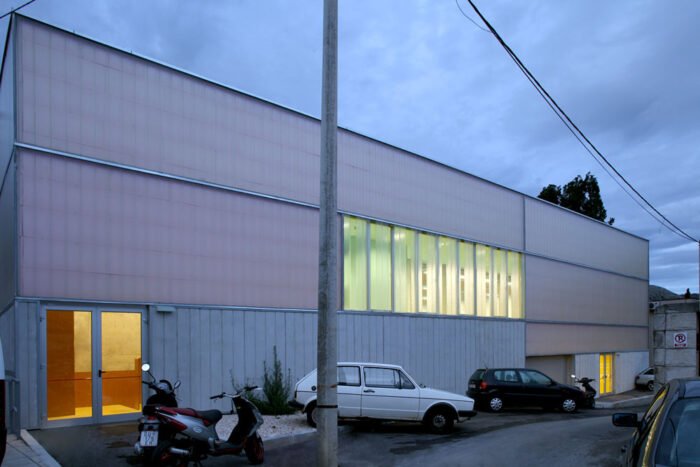
Their projects were published in international books and professional magazines. Public car park and sports hall in Dubrovnik was awarded the biennial national CEMEX Award for infrastructural buildings for 2010, Kosovo Embassy in Zagreb was shortlisted for the Contractworld Award in Hanover, Germany for 2011, and Kovačić- Šojlev residence in Zagreb was nominated for the national prize for residental architecture in 2005.They have lectured and exhibited internationally: FA Zagreb, TU Graz, IUAV Venice, ETSAM Madrid, IAAC Barcelona, AIT Salon in Munich and Hamburg, UIA Congress Istanbul, Biennial of Architecture Buenos Aires, Dubrovnik Festival of Architecture, Belgrade Architecture Week, Skopje Architecture Week, AAK Conference Prishtina. Magnifiers of Natural and Technological Elements project for revaluation of the hydroelectric dam Piva- Mratinje was exhibited in the Montenegrin Pavilion at the Venice Biennale of 2010.
Lulzim Kabashi (Pejë, 1969) studied architecture in Prishtina and Zagreb. He received his degree from the University of Zagreb Faculty of Architecture in 1996. He is professional menthor for AF Zagreb students, and nominator for the European Union Prize for Contemporary Architecture, Mies van der Rohe Award since 2012.


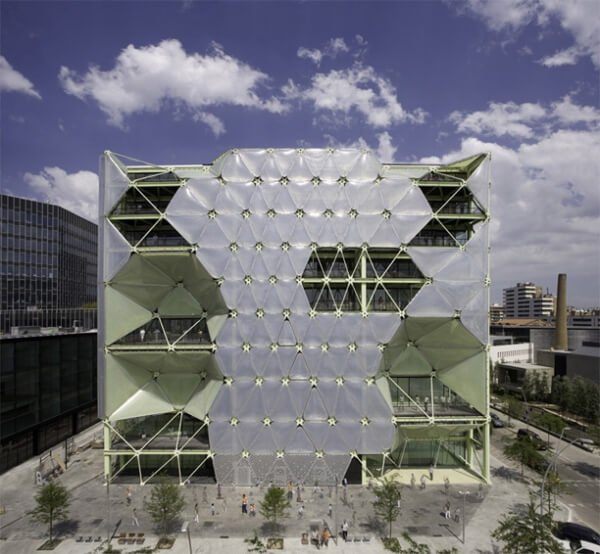
Figueres, 1968. Architect for the ETSA of Barcelona. Visiting Visual Artist at the ZKM in Karlsruhe, with a scholarship from Krtu, Generalitat de Catalunya. Associate Set Designer for Bob Wilson: “Danton’s Tod”, Salzburger Festspiele and “Time Rocker”, Thalia Theater, Hamburg, 1995-2000. Director of Cloud 9 studio since 1997. Co-Director of Metapolis 2000-2003. Art Media Consultant for the Mercat de les Flors 2002. Curator of the Spanish Pavilion of the V Biennal of Architecture in Sao Paulo, 2003. Co-Chairman of the 3rd Industrial Revolution Architects Roundtable committee with Jeremy Rifkin , since 2007. President of the Jury of Prix Luxembourgeois d’Architecture 2007. Luxembourg 2007 Founder of Energy Attack with Jon Idiakez, 2007. Tutor Master in Architectural Design Unit at Barlett School of Architecture, London, since 2010 Unit Master of Diploma Unit 18 at Architectura Assosiation, London, since 2010 Co-Chairman of the Figueres Creative City, 2010 His works belongs to the collections of MoMa (New York), FRAC Centre Collection (Orleans) and Centre Pompidou (Paris). Enric Ruiz-Geli performs lectures and mantain colaboration with a map of Labs as Angewandte, Architectural Association School, UCLA, Passadena Art Center, CITA, RMIT, MIT, Bartlett, Buckminster Fuller Institute, ETHZ, IE School of Architecture, entre otros. Cloud 9 agenda is to look at Pilot Projects in Global Warming Scenarios. Enric Ruiz-Geli has created patents as master pieces of Digital Fabrication. His building Media-ICT has been awarded as Best Building of the World by WAF 2011. It is a Net Zero Building built at very competitive construction cost. Cloud 9 has signed Media-ICT Knowledge Transfer Contracts in Taipei, OECS, Qatar, Kuwait and Moscow. Co-Chairman of Science Advisory Comitee of Tecnalia, 2011. Co-Chairman International Committee of Experts at Iakov Chernikhov Prize, Moscow, 2012.
Awards
Winner WAN 21 for 21 Award, 2012 WAF Award, World’s Best Building of the Year with Media-ICT, 2011 Special mention at FAD Awards with Media-ICT, 2011 Investigation Prize at XI Spanish Biennal of Architecture and Urbanism with Media-ICT, 2011 First prize, Pavilion in Ecole Especiale de Paris, 2011 Nominee to the Brit Awards Design Museum in London to Media-ICT, 2011 Nominee to the City of Barcelona Award to Media-ICT, 2011 Nominee to the Prize for Contemporary Architecture Mies van der Rohe Award to Media-ICT, 2011 Nominee to the Iakov Chernikhov Prize with Media-ICT, Moscu 2011
Steel Design Awards ECCS, European Convention For Constructional Steelwork, to Media-ICT, 2009. Finalist 10th Spanish Architecture and Urbanism Biennial, to Villa Nurbs, 2009 Prize Sustanable Enviroment Proyects from the Generalitat de Catalunya, to Cloud 9’s ETFE technology, 2009
Honor Mention at the VII Premios Cerámica de Arquitectura y Interiorismo ASCER to Villa Nurbs, 2009 Subvention of the Entitat Autònoma de Difusió Cultural (Generalitat de Catalunya) to the project “From physical to digital realms through Cad Cam Processes” to Villa Nurbs, 2008 Prize Corian Dupont to Villa Nurbs, 2008
R+D Award ARCHITECT at SciArc Los Angeles, to “artificial leaf” Prestige Forest Hotel, 2008 Finalist Premios Saloni, to Evru Cave, 2008 First Prize, International Contest for the New York Aquarium at Coney Island, Wild Life.
Conservation Society, 2007 Prize Quatrium best Architect by Grupo Via, 2007 Prize Chicago Ateneum, 2007 Prize Emergente Tendencias, El Mundo, 2007 FirstPrize International Contest Media-ICT, el Consorci de la Zona Franca and 22@, 2006 Finalist to Villa Bio at the VI edition of the “Saloni” Architecture Prize, 2006 Finalist to Morphorest at the FAD Architecture and Design Prize, 2005 Prize of the Association of Catalan Art Critics (ACCA) to the Galería Joan Prats for best exhibition Evru 2003 First Prize, International Contest for the Aviary Marine Zoo of Barcelona, 2000 First Prize, Ephemeral Architecture Aguirre Newman IAZ, 1998 First Prize, International 2G Contest, for the New Mies van der Rohe Foundation, 1998
website: ruiz-geli.com