
EN/
Frani O’Toole (b. Chicago) works in communications for an architecture and urban planning firm building social infrastructure near the US-Mexico border. Frani studied Art History and English at Yale University before moving to Ireland on a Fulbright fellowship for her Master’s in Creative Writing. Her work has been published in The Guardian, Hyperallergic, and The Brooklyn Rail. Now in-between writing and architecture, she’s working to see the built environment be defined more by universal design.
About the lecture
“There is nothing wrong with making things people want. It’s just that too little attention is being paid to the things people need. … Support maintenance, not just ‘innovation’” – Sasha Costanza-Chock, Design Justice
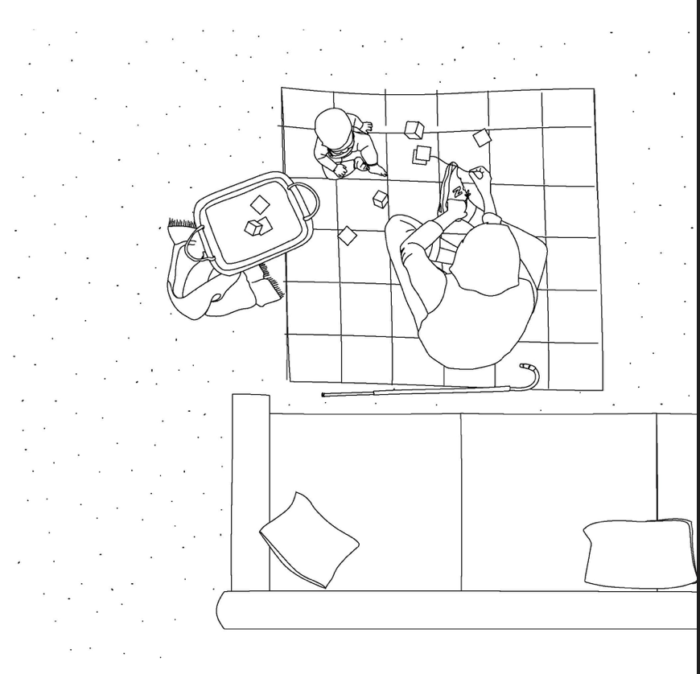
This lecture will encourage attendees to imagine new end-users of architecture – situated relationally, and in this case, through daughterhood. In following the placemaking strategies of Frani’s mother, who became disabled shortly after giving birth, this lecture reframes occupancy through durational relationships of care. Accessibility isn’t more work, Dana McGarr says: it’s that the work was incomplete before. How does narrative contribute to completion, telling how a mother with disabilities avoids the many trip hazards that a child introduces into the home — and that being an integral part of the architecture? Avoidance: it structures futures. Architects avoid accidents, damages; acting decisively in response to climate change is to avoid its most disastrous and long-term effects. The lecture ends by returning to imagined end-users, this time focusing on how we center diverse needs, support, and maintenance as a condition of resilience.
AL/
Frani O’Toole (lindur në Çikago) punon në komunikim për një firmë arkitekture dhe urbanistike që ndërton infrastrukturë sociale pranë kufirit SHBA-Meksikë. Frani studioi Histori Arti dhe Anglisht në Yale University para se të transferohej në Irlandë në një bursë Fulbright për masterin e saj në Shkrimin Krijues. Puna e saj është botuar në The Guardian, Hyperallergic dhe The Brooklyn Rail. Tani në mes të shkruarit dhe arkitekturës, ajo është duke punuar që mjedisi i ndërtuar të përcaktohet më shumë nga dizajni universal.
Përmbledhje e ligjëratës
“Nuk ka asgjë të keqe në bërjen e gjërave që njerëzit duan. Vetëm se shumë pak vëmendje po i kushtohet gjërave që njerëzit kanë nevojë.… Mbështetni mirëmbajtjen, jo vetëm ‘inovacionin’ ” – Sasha Costanza -Chock, Design Justice
Kjo ligjeratë do të inkurajojë pjesëmarrësit të imagjinojnë përdoruesit e rinj përfundimtarë të arkitekturës – të vendosur në marrëdhënie, dhe në këtë rast, përmes vajzërisë. Duke ndjekur strategjitë e krijimit të vendeve të nënës së Franit, e cila u bë me aftësi të kufizuara menjëherë pas lindjes, kjo ligjeratë paraqet qëndrimin përmes marrëdhënieve afatgjata të kujdesit. Qasja nuk është më punë, thotë Dana McGarr: është se puna ishte e paplotë më parë. Si kontribuon narracioni në përfundimin, duke treguar se si një nënë me aftësi të kufizuara shmang rreziqet e shumta të udhëtimit që një fëmijë fut në shtëpi – dhe që është pjesë përbërëse e arkitekturës? Shmangia: ajo strukturon të ardhmen. Arkitektët shmangin aksidentet, dëmtimet; duke vepruar me vendosmëri në përgjigje të ndryshimeve klimatike është shmangia e efekteve më katastrofike dhe afatgjata të tij. Ligjërata përfundon duke u kthyer tek përdoruesit përfundimtarë të imagjinuar, këtë herë duke u fokusuar në atë se si i përqendrojmë nevojat, mbështetjen dhe mirëmbajtjen e larmishme si kusht i resiliences.


EN/
Suhair Khan
Head of Strategic Projects Google
Based in London, Suhair works on Strategy development at Google. She is also the founder of the Open/Ended Design platform.
Over the last decade at Google she has led innovative projects merging technology, culture and design. She has been involved in the development of Google’s self-driving car (now known as Waymo), a new sustainability platform for the global fashion industry, and launched numerous successful global projects with artists and cultural institutions at Google Arts & Culture.
Her work has spanned Asia, the U.S., Europe and Africa, and she has been based out of multiple international locations during her career.
Suhair is Chair of the Board of Trustees for Studio Wayne McGregor, on the external affairs committee for the Design Museum in London. Suhair also sits on the inaugural Art Program advisory board for SXSW, and is a regular member of juries in design, art, and technology, including the international jury for the 2021 London Design Biennale. She has given keynote talks at events internationally including SXSW, the Creative Industries Federation, and the Edinburgh Culture Summit. She has been a long-time columnist for Condé Nast Traveler, Architectural Digest and Vogue India.
Since graduating from Harvard and Cornell, Suhair has lectured at the Architectural Association and Central Saint Martins in London. Suhair’s teaching is situated at the intersection of design and technology, bringing a critical perspective to digital tools.
AL/
Suhair Khan
Udhëheqëse e Projekteve Strategjike në Google
Me seli në Londër, Suhair punon në zhvillimin e Strategjive në Google. Ajo është gjithashtu themeluese e platformës Open/Ended Design.
Gjatë dekadës së fundit në Google ajo ka udhëhequr projekte novatore në teknologjinë, kulturë dhe dizajn. Ajo ishte pjesë e zhvillimit të makinës vetëngasëse të Google (tani e njohur si Waymo), një platformë e re e qëndrueshmërisë për industrinë globale të modës, dhe nisi projekte të shumta të suksesshme globale me artistë dhe institucione kulturore në Google Arts & Culture.
Puna e saj përfshinë projekte në Azi, SHBA, Evropë dhe Afrikë, dhe ka punuar në vende të shumta në mbarë botën gjatë karrierës së saj.
Suhair është Kryetare e bordit udhëheqës të Studio Wayne McGregor, në komitetin e punëve të jashtme për Muzeun e Dizajnit në Londër. Suhair është gjithashtu pjesë e bordit këshillues të Programit të Artit pran SXSW, dhe është anëtar i rregullt i jurive në dizajn, art dhe teknologji, përfshirë jurinë ndërkombëtare për Bienalen e Dizajnit në Londër 2021. Ajo ka mbajtur ligjerata në ngjarje ndërkombëtare, përfshirë SXSW, Creative Industries Federation dhe Edinburgh Culture Summit. Ajo gjithashtu ka qenë një kolumniste për një kohë të gjatë në Condé Nast Traveller, Architectural Digest dhe Vogue India.
Që kur u diplomua në Harvard dhe Cornell, Suhair ka ligjëruar në Architectural Association dhe Central Saint Martins në Londër. Mësimi i Suhair ndodhet në kryqëzimin e dizajnit dhe teknologjisë, duke sjellë një perspektivë kritike mbi mjetet dixhitale.

EN/
Alison Brooks B.E.S. B.Arch RIBA FRSA RDI
Alison Brooks is one of the UK’s most inventive and internationally acclaimed architects. Born and educated in Canada, she moved to London in 1988. She is the only UK architect to have received all three of the profession’s most prestigious architectural awards: the RIBA Stirling Prize, the Manser Medal and the Stephen Lawrence Prize.
Alison Brooks’ architectural approach springs from invested research so that her design solutions emerge as both unique and relevant to the constituencies they serve. This is beautifully exemplified by her recently completed Cohen Quadrangle at Exeter College, Oxford. The first Oxford College to be designed by a female architect, this building demonstrates the conceptual rigour, sculptural quality and ingenious detailing that is her practice trademark.

Alison has become a public voice for the profession advocating the role of women in architecture, the resurgence of building craft and the value of timber as a low carbon building technology. Named in 2012 by Debrett’s as one of ‘Britain’s 500 Most Influential’, she was subsequently awarded 2013 AJ Woman Architect of the Year in recognition of her work in housing, regeneration and education. In 2017 Alison was appointed Royal Designer for Industry by the Royal Society of Arts and selected as London Mayor’s Design Advocate. Alison was also honoured with the 2017 AJ 100 Contribution to the Profession Award.
She has served CABE / Design Council as National Design Review Panel Chair for over ten years and a Trustee of Open City. She serves on numerous international design competition juries, most recently for the Camden Highline Competition. Alison Brooks has contributed to architectural education for over fifteen years as External Examiner for University of Central London, University of Bath, University of Lincoln and the Architectural Association. In 2018 Alison was appointed as the John T. Dunlop Design.

AL/
Alison Brooks B.E.S. B.Arch RIBA FRSA RDI
Alison Brooks është njëra nga arkitektet më krijuese dhe e mirënjohur ndërkombëtarisht në Mbretërinë e Bashkuar. E lindur dhe e shkolluar në Kanada, ajo u shpërngul në Londër në vitin 1988. Ajo është arkitektja e vetme në Mbretërinë e Bashkuar që ka marrë të tre çmimet më prestigjioze të arkitektuërs: Çmimin RIBA Stirling, Medaljen Manser dhe Çmimin Stephen Lawrence.
Qasja arkitektonike e Alison Brooks buron nga kërkimet e investuara në mënyrë që zgjidhjet e saj të projektimit të dalin si unike dhe të rëndësishme për zonat që u shërbejnë. Kjo ilustrohet bukur nga projekti i perfunduar se fundmi Cohen Quadrangle në Exeter College, Oxford. Si kolegji i parë i Oksfordit i projektuar nga një arkitekte femër, ndërtesa demonstron ashpërsinë konceptuale, cilësinë skulpturore dhe detajet gjeniale që është shenjë dalluese e praktikës së saj.
Alison është bërë një zë publik për profesionin që mbron rolin e grave në arkitekturë, ringjalljen e zanateve të ndërtimit dhe vlerën e drurit si një teknologji e ndërtimit të karbonit të ulët. E emëruar në vitin 2012 nga Debrett si një nga ‘500 Britanikët më me ndikim’ në Britani, asaj më pas iu dha çmimi 2013 AJ Arkitektja Femër e Vitit si mirënjohje për punën e saj në banim, rigjenerim dhe arsim. Në 2017 Alison u emërua si Dizajnere Mbretërore për Industrinë nga Shoqëria Mbretërore e Arteve dhe u zgjodh si Avokate i Dizajnit e Kryetarit të Londrës. Alison gjithashtu u nderua me 2017 AJ 100 Contribution to the Profession Award.
Ajo ka shërbyer në CABE / Design Council si Kryetare e Panelit Kombëtar të Vlerësimit të Dizajneve për më shumë se dhjetë vjet si dhe Trustee e Open City. Ajo shërben në juritë e shumta në konkurset ndërkombëtare të dizajnit, së fundmi për Konkursin Camden Highline. Alison Brooks ka kontribuar në edukim për mbi pesëmbëdhjetë vjet si Ekzaminues i Jashtëm për universitetin “University of Central London” , “University of Bath”, “University of Lincoln” si dhe në “Architectural Association”. Në vitin 2018 Alison u emërua si John T. Dunlop Design.


EN/
Alex Auris (he/him) is a Peruvian architect and researcher based in Brussels since 2018. In 2015 he received his bachelor’s degree at Catholic University of Peru (PUCP), and he completed his master’s degree in architecture at KU Leuven, Belgium in 2020. His academic background is complemented by practical experiences in Denmark, Japan, and Cambodia. His research objectives have an intersectional approach, while his interests are the relations between social movements, performance, and space. He has developed restoration and museography projects in Lima and he currently works as an independent architect in Brussels. His work deals with the preexistence and heritage, such as his ongoing research on archeological sites in Peru and its relationship with the contemporary city, the museography for the Pinacoteca Municipal Ignacio Merino in Lima, and Symbiosis coworking space. He has presented his work in the Institute of Andean studies in Berkeley, California, in the summer architecture festival Urban in Brussels and since 2020 he is Future Architecture fellow with the project Queer Commons.
About the Lecture / Queer Commons
What do queer people share and how is this related to space? The project Queer commons explores the emotions, experiences, and spaces that queer people share. This research deals with queerness within the built environment, it goes beyond the analysis of physical space and includes shared emotions and processes to find the common grounds that can build the sense of community amongst queer people. Through a division on three spheres, which are three levels of relation between a person and their environment, we approximate the public, private and the imagined space in order to see the city through the queer perspective. This methodology has been tested in Berlin and in the author’s life experience, and it aims to become a tool to rewrite the histories of the cities we inhabit.

AL/
Alex Auris është arkitekt peruan dhe hulumtues me seli në Bruksel që nga viti 2018. Në vitin 2015 ai mori diplomën e tij bachelor në Catholic University of Peru (PUCP), dhe përfundoi studimet master në arkitekturë në KU Leuven, Belgjikë në vitin 2020 Prejardhja e tij akademike plotësohet nga përvoja praktike në Danimarkë, Japoni dhe Kamboxhi. Objektivat e tij hulumtuese kanë një qasje kryqëzuese, ndërsa interesat e tij janë marrëdhëniet midis lëvizjeve shoqërore, performancës dhe hapësirës. Ai ka zhvilluar projekte restaurimi dhe muzeografie në Lima dhe aktualisht punon si arkitekt i pavarur në Bruksel. Puna e tij merret me paraekzistencën dhe trashëgiminë, të tilla si kërkimet e tij të vazhdueshme në vendet arkeologjike në Peru dhe marrëdhëniet e tij me qytetin bashkëkohor, muzeografinë për Pinacoteca Municipal Ignacio Merino në Lima, dhe hapësirën e bashkëpunimit Symbiosis. Ai ka prezantuar punën e tij në Institutin e Studimeve Andean në Berkeley, California, në festivalin e arkitekturës verore Urban in Brussels dhe që nga viti 2020 ai është anëtar i Future Architecture Fellow me projektin ‘Queer Commons’.
Rreth Ligjerates / Queer Commons
Çfarë ndajnë njerëzit ‘queer’ dhe si lidhet kjo me hapësirën? Projekti ‘Queer commons’ eksploron emocionet, përvojat dhe hapësirat që njerëzit queer ndajnë. Ky hulumtim merret me çuditshmërinë brenda mjedisit të ndërtuar, ai shkon përtej analizës së hapësirës fizike dhe përfshin emocione dhe procese të përbashkëta për të gjetur bazat e përbashkëta që mund të ndërtojnë ndjenjën e bashkësisë mes njerëzve queer. Përmes një ndarjeje në tre sfera, të cilat janë tre nivele të marrëdhënies midis një personi dhe mjedisit të tij, ne përafrojmë hapësirën publike, private dhe të imagjinuar në mënyrë që të shohim qytetin përmes perspektivës së çuditshme. Kjo metodologji është testuar në Berlin dhe në përvojën e jetës së autorit, dhe synon të bëhet një mjet për të rishkruar historitë e qyteteve ku ne banojmë.

EN/
Asif Khan is a research and development led architecture studio who design buildings, landscapes, exhibitions and installations, among other things. Khan’s practice explores how material and social innovations can fundamentally alter the way people experience and shape their environment, realised through rigorously detailed and delivered outputs. His studio is based in East London, formed in 2007.
Khan is currently working on the new Museum of London at West Smithfield, Tselinny Centre of Contemporary Culture in Almaty and the Dubai Expo 2020 public realm. Recently he designed the award winning UK Pavilion at Astana Expo 2017 and the Hyundai Pavilion at the Pyeongchang 2018 Winter Olympics.
Notable previous projects include the ‘MegaFaces’ pavilion at the Sochi 2014 Winter Olympics which won the Cannes Lion Grand Prix for Innovation, the Coca-Cola Beatbox at London 2012 Olympics, a finalist entry in the international competition for the new Guggenheim Museum Helsinki from 1700 anonymous designs, and a Summer pavilion for the Serpentine Gallery in Summer 2016.
Khan lectures globally on his work and sits on the Board of Trustees for the Design Museum. He was awarded an MBE for services to Architecture in 2017 and the studio were named ‘Architects of the Year’ by the German Design Council in 2018.

AL/
Asif Khan është një studio arkitekture e udhëhequr nga kërkimi dhe zhvillimi, e cila ndër të tjera projekton ndërtesa, peizazhe, ekspozita dhe instalime. Praktika e Khan eksploron sesi inovacionet materiale dhe shoqërore mund të ndryshojnë rrënjësisht mënyrën se si njerëzit përjetojnë dhe formojnë mjedisin e tyre, të realizuar përmes rezultateve të detajuara dhe të dhëna në mënyrë rigoroze. Studio e tij e krijuar në 2007 është e vendosur në Londrën Lindore.
Khan aktualisht është duke punuar në Muzeun e ri të Londrës në West Smithfield, Qendrën Tselinny të Kulturës Bashkëkohore në Almaty dhe sferën publike të Dubai Expo 2020. Kohët e fundit ai ka projektuar Pavilionin fitues të çmimit të Mbretërisë së Bashkuar në Astana Expo 2017 dhe Pavijonin Hyundai në Olimpiadën Dimërore Pyeongchang 2018.
Projektet e mëparshme të dalluar përfshijnë pavijonin ‘MegaFaces’ në Lojërat Olimpike Dimërore Soçi 2014 i cili fitoi Çmimin e Madh të Luanit në Kanë për Inovacion, Coca-Cola Beatbox në Olimpiadën Londër 2012, ishte finalist në konkursin ndërkombëtar për Muzeun e ri Guggenheim Helsinki nga 1700 aplikime anonime, si dhe pavionin veror për Galerinë Serpentine në verën e 2016.
Khan ligjëron globalisht mbi punën e tij dhe është pjesë e Bordit Mbikqyrës të Muzeut të Dizajnit. Atij iu dha një MBE për shërbimet ndaj Arkitekturës në vitin 2017 dhe studioja u emërua ‘Arkitektët e Vitit’ nga Këshilli Gjerman i Dizajnit në 2018.


EN/
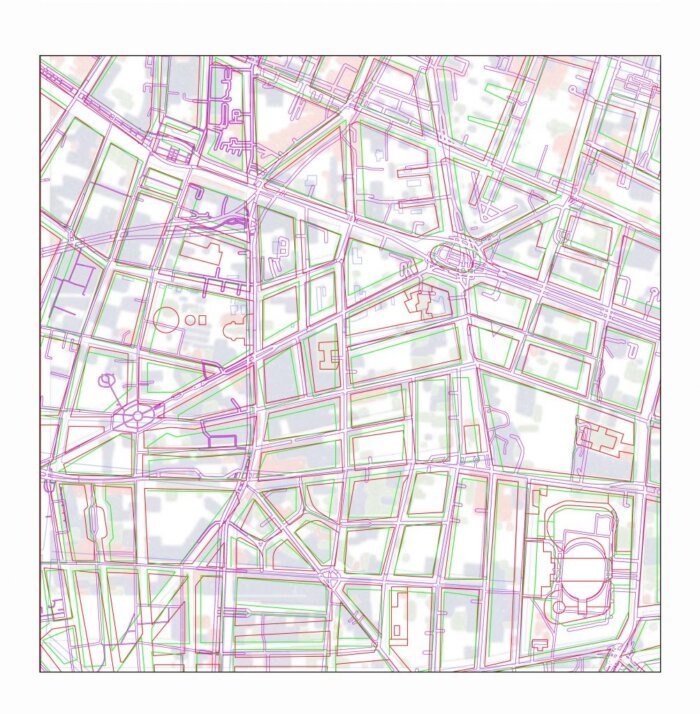
LOCAL is an architecture and urbanism studio taking part into the adaptation of our lifestyle, our working and natural environment for a resilient future. LOCAL is currently working on innovative urban strategy questioning the place of Health in cities focusing on social empowerment. LOCAL is based in Bergen, Bruxelles and Paris, founded by Matthieu Boustany, Benoist Desfonds, Gilles Guyot, Elida Mosquera & Jerome Picard. They are a Norwegian Wildcard-NAL since January 2020. They want to imagine a future where we live together in meaningful communities and inspiring environment.
With extensive experience working with leading international offices, Elida has a strong transversal expertise from concept design through construction phase of complex international projects. Jerome moves freely between the disciplines and scales of architecture with a dual degree in spatial design from Ecole Boulle in Paris, and urbanism from the AA in London.
They are currently leading the master studio Grey Matter Vestlandet questioning the role of Health along the West-coast of Norway, researching on forms of aging in place with ARQUIA & Pratt University and are exhibiting their work on urban aging at the International Seoul Biennale of Architecture 2021.

About the Lecture /
A simple observation of two trends can prove mutually beneficial if envisaged together to unlock new social and urban potentialities. On one hand we are growing older faster than ever, most of the time in places that are un-adapted, isolated. We are also healthier and active longer than ever. On the other hand, smaller cities in Europe have undergone stagnation and decline. The process of globa shrinkage particularly affects cities that are not or no longer able to “hook up” to the networks of modern global capitalism.
Grey Matter contradicts the common place that activity and productivity belong solely to the youth and criticizes the segregation of seniors that consigns them to isolation, passivity and dependence and claims that a productive city can also be inclusive to provide safety and freedom in an intergenerational urban context.
There is an opportunity to revitalize existing urban structures by placing seniors at the heart of our urban life harnessing the total ecology of Health in cities to create new durable social and economical bonds.

AL/
LOCAL është studio arkitekture dhe urbanizmi që merret me përshtatjen e stilit tonë të jetesës, mjedisit të punës dhe natyrës për një të ardhme qendrueshme. LOCAL aktualisht eshte duke punuar ne strategji inovative urbane duke shqyrtuar vendin e Shëndetit në qytete duke u fokusuar nëfuqizimin social. LOCAL është e bazuar në Bergen, Bruksel dhe Paris, themeluar nga Matthieu Boustany, Benoist Desfonds, Gilles Guyot, Elida Mosquera dhe Jerome Picard. Që nga janari i vitit 2020 ata janë anëtarë të Wildcard-NAL.
Ata duan të imagjinojnë një të ardhme ku jetojmë së bashku në komunitete kuptimplota dhe mjedise frymëzuese. Me një përvojë të gjerë duke punuar me zyret kryesore internacionale, Elida ka një ekspertizë të fortë që nga konceptimi i dizajnit deri ne fazën e ndërtimit të projekteve komplekse ndërkombëtare. Jerome lëviz lirshëm midis disiplinave dhe shkallëve të arkitekturës me diplomë të dyfishtë ne dizajnin hapësinor nga Ecole Boulle ne Paris, dhe urbanizëm nga AA në Londër.
Aktualisht ata udhëheqin studion master Grey Matter Vestlandet duke shqyrtuar rolin e Shëndetit përgjatë bregdetit perëndimor tëNorvegjisë, duke hulumtuar mbi format e plakjes në vend me ARQUIA & Pratt University dhe janë duke ekspozuar punën e tyre mbi plakjen urbane në Bienalen Ndërkombëtare të Arkitekturës në Seuul 2021.
Rreth Ligjerates /
Një vëzhgim i thjeshtë i dy tendencave mund të jetë reciprokisht i dobishëm nëse parashikohet së bashku për të zhbllokuar potencialet e reja shoqërore dhe urbane. Nga njëra anë ne po rritemi më shpejt se kurrë, shumicën e kohës në vende të papërshtatshme, të izoluara. Gjithashtu jemi më të shëndetshëm dhe aktivë më shumë se kurrë. Nga ana tjetër, qytetet më të vogla në Evropë kanë pësuar stagnim dhe rënie. Procesi i tkurrjes globale prek veçanërisht qytetet që nuk janë ose nuk janë më në gjendje të “lidhen” me rrjetet e kapitalizmit modern global.
‘Gray Matter’ kundërshton vendin e përbashkët që aktiviteti dhe produktiviteti i përkasin vetëm të rinjve dhe kritikon ndarjen e të moshuarve që i çon ata në izolim, pasivitet dhe varësi dhe pohon se një qytet produktiv gjithashtu mund të jetë gjithëpërfshirës për të siguruar siguri dhe liri në një kontekst urban ndërgjenerativ.
Ekziston një mundësi për të ringjallur strukturat ekzistuese urbane duke i vendosur të moshuarit në qendër të jetës sonë urbane duke shfrytëzuar ekologjinë e përgjithshme të Shëndetit në qytete për të krijuar lidhje të reja të qëndrueshme shoqërore dhe ekonomike.

EN/
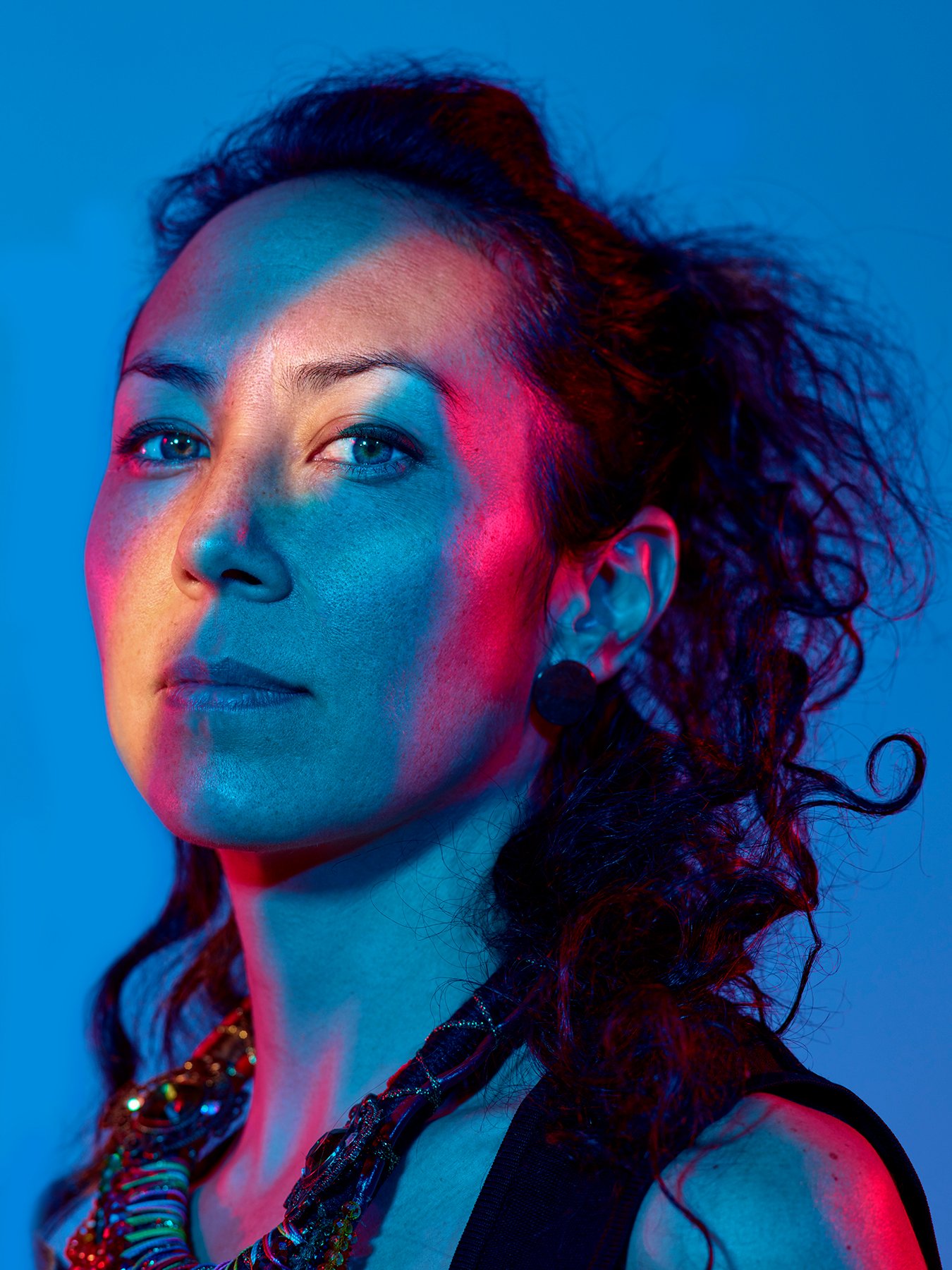
An artist and transmedia filmmaker of Ecuadorian and Chinese descent, Marisa Morán Jahn’s works redistribute power, “exemplifying the possibilities of art as social practice” (ArtForum). Codesigned with immigrants and working families, Jahn’s key projects include Bibliobandido (a story-eating bandit), Video Slink Uganda (experimental films slipped or “slinked” into bootleg cinemas), and CareForce, a project that amplifies the voices of America’s fastest growing workforce, caregivers, through two mobile studios (NannyVan, CareForce One), an app for domestic workers named by CNN as “one of 5 apps to change the world,” and a PBS/ITVS film series. Jahn’s works have been presented at Obama’s White House, The United Nations, Museum of Modern Art, Tribeca Film Festival, and The New Museum. Her work has been reviewed in The New York Times, BBC, Hyperallergic, and more. She is an Associate Director of the Interdisciplinary Design program at The New School. She has also taught at Columbia University, and across departments at her alma mater, MIT, where she is a Visiting Artist. Jahn is a 2021-2022 Sundance Institute Interdisciplinary Program Fellow.
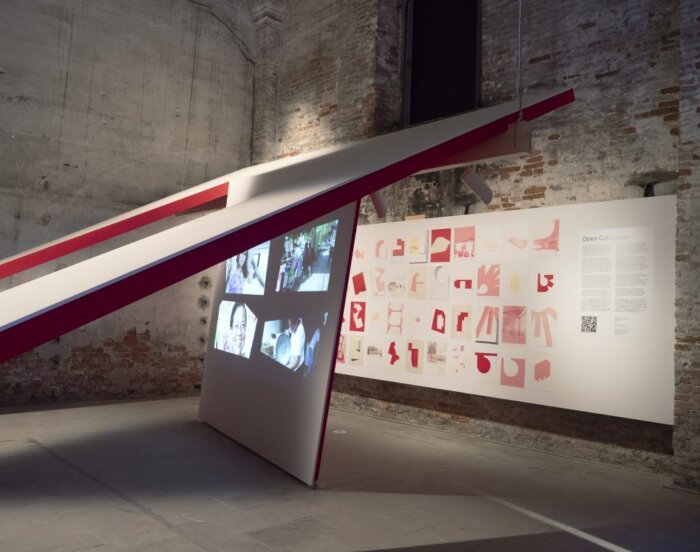
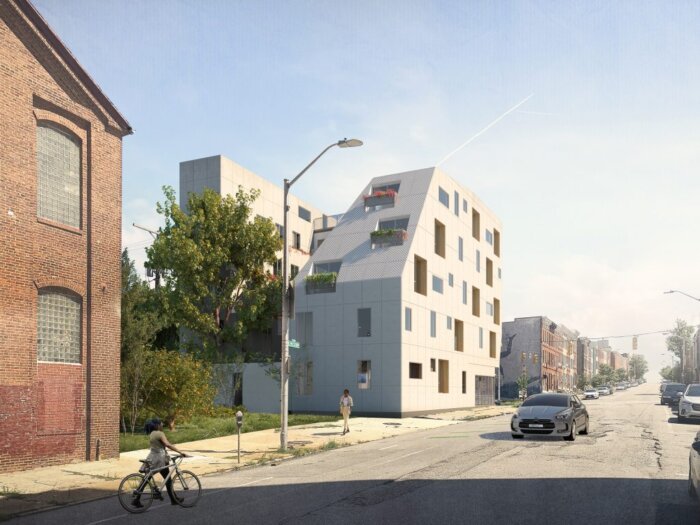
Most recently, Jahn and Segal have collaborated on “Open Collectives,” a station at the 17th Venice Biennale of Architecture. Jahn and Segal, with developer Ernst Valery, are co-founding Carehaus, the U.S.’ first care-based co-housing building whose first site opens in Baltimore in 2023.
About the Lecture /
In this lecture Marisa Morán Jahn and Rafi Segal explore the power of art and architecture to build new narratives and re-imagine urban space. Traversing sculpture, film, installation, and architecture, Segal and Jahn’s individual work and collaboration creates forms and spaces for emerging collective identities, communal self-determination, and a pluralist economy.

AL/
Artiste dhe regjisore filmash me origjinë ekuadoriane dhe kineze, veprat e Marisa Morán Jahn rishpërndajnë fuqinë, “duke ilustruar mundësitë e artit si praktikë shoqërore” (ArtForum). I koduar me emigrantët dhe familjet që punojnë, projektet kryesore të Jahn përfshijnë Bibliobandido, Video Slink Uganda (filmat eksperimentalë që rrëshqitën ose “u hodhën” në kinema bootleg), dhe CareForce, një projekt që përforcon zërat e fuqisë punëtore në rritje më të shpejtë të Amerikës , kujdestarët, përmes dy studiove mobile (NannyVan, CareForce One), një aplikacion për punonjësit vendas të quajtur nga CNN si “një nga 5 aplikacionet për të ndryshuar botën”, dhe një seri filmash PBS/ITVS. Punimet e Jahn janë prezantuar në White House, The United Nations, Museum of Modern Art, Tribeca Film Festival, dhe The New Museum. Puna e saj është rishikuar në The New York Times, BBC, Hyperallergic, dhe të tjera. Ajo është Drejtore e Asociuar e programit të Dizajnit Ndërdisiplinor në The New School. Ajo gjithashtu ka dhënë mësim në Columbia University, dhe në departamente në MIT, ku edhe është Artiste Vizituese. Jahn është një anëtare e programit ‘2021-2022 Sundance Institute Interdisciplinary Program Fellow’.

Kohën e fundit Jahn dhe Segal kanë bashkpunuar në “Open Collectives” instalacion ky pjesë e ekspozitës së Arkitekturës në Bienalën e 17-të të Venecias. Jahn dhe Segal së bashku me ndërtuesin Ernst Valery janë bashkthemelues të Carehous, objektit të parë i bashkëpronësisë dhe “bashkë kujdesit” në Shtetet e Bashkuara, objekt ky i cili pritet të hapet në Baltimore në vitin 2023.
Rreth Ligjeratës /
Në këtë ligjëratë Marisa Morán Jahn dhe Rafi Segal eksplorojnë fuqinë e artit dhe arkitekturës për të ndërtuar rrëfime të reja dhe për të ri-imagjinuar hapësirën urbane. Duke përshkuar skulpturën, filmin, instalacionin dhe arkitekturën, puna dhe bashkëpunimi individual i Segal dhe Jahn krijon forma dhe hapësira për identitetet kolektive në zhvillim, vetëvendosjen e përbashkët dhe një ekonomi pluraliste.

EN/
Rosa Rogina is an architect, researcher and curator currently working as a Programme Director at London Festival of Architecture, leading on curation and delivery of the festival’s annual programme. Since 2017, she also runs a design studio at the University of East London. She has previously worked for some of the world’s leading architectural practices including MVRDV, Grimshaw Architects and Farshid Moussavi Architecture. Rosa has co-curated the Montenegrin Pavilion at the 2018 Venice Biennale and has been curator in residence at Vienna Design Week 2020.
Rosa obtained her MA degree in architecture at the Royal College of Art. She also holds MA in Research Architecture from Goldsmiths, University of London where she has investigated how can we employ architectural theory and practice as means of engaging with global matters of concern. Rosa is a 2021 Future Architecture selected creative.
About the Lecture /
All Rosa’s work shares the fundamental premise that architecture is a public concern, with the specific aim of increasing public awareness about the role of architecture in contemporary society. If an architectural project is to be understood as a fabric of relations between places, people, institutions and the state, how can its agency be expanded beyond design; to deploy strategies, foster public debate, empower and mobilise people and, finally, negotiate change? Through this lecture, Rosa will present a selection of her practice-based, research-led and curatorial work exploring new relevant formats, frameworks for collaboration and wider engagement of architecture practice with the city and its residents.
AL/
Rosa Rogina është arkitekte, hulumtuese dhe kuratore e cila aktualisht është duke punuar si Drejtore e Programit në Festivalin e Arkitekturës në Londër, duke udhëhequr në kurimin dhe shpërndarjen e programit vjetor të festivalit. Qe nga viti 2017, ajo poashtu drejton një studio dizajni në Universitetin e Londrës Lindore. Më parë ajo ka punuar në disa nga zyret kryesore të arkitekturës në botë duke përfshirë MVRDV, Grimshaw Architects dhe Farshid Moussavi. Rosa ka bashkë-kuruar Pavilionin e Malit të Zi në Bienalen e Venedikut në vitin 2018 dhe ka qenë kuratore në rezidencë në Javën e Dizajnit në Vjenë 2020.
Rosa ka titullin MA në arkitekturë nga Kolegji Mbretëror i Artit. Ajo poashtu mban titullin MA në Arkitekturën Hulumtuese nga Goldsmiths, Universiteti i Londrës ku ajo ka hulumtuar se si mund të përdorim teorinë dhe praktikën arkitektonike si mejte për t’u angazhuar me çështje globale shqetësuese. Rosa është arkitekte e përzgjedhur nga Future Architecture Platform 2021.

Rreth Ligjerates /
E gjithë puna e Rozës ndan premisën themelore që arkitektura është një shqetësim publik, me qëllimin specifik të rrisë ndërgjegjësimin e publikut për rolin e arkitekturës në shoqërinë bashkëkohore. Nëse një projekt arkitektonik do të kuptohet si një strukturë e marrëdhënieve midis vendeve, njerëzve, institucioneve dhe shtetit, si mund të zgjerohet veprimi i tij përtej projektimit; për të vendosur strategji, për të nxitur debatin publik, për të fuqizuar dhe mobilizuar njerëzit dhe, më në fund, për të negociuar ndryshimin? Përmes kësaj ligjerate, Rosa do të paraqesë një përzgjedhje të punës së saj të bazuar në praktikë, të udhëhequr nga hulumtimi dhe kurimi duke eksploruar formate të reja përkatëse, korniza për bashkëpunim dhe angazhim më të gjerë të praktikës arkitektonike me qytetin dhe banorët e tij.

EN/
Materia Prima is a critical research project conceived by Erika Loana and Gabriela Sisniega, Mexican architects who have worked together since 2011.
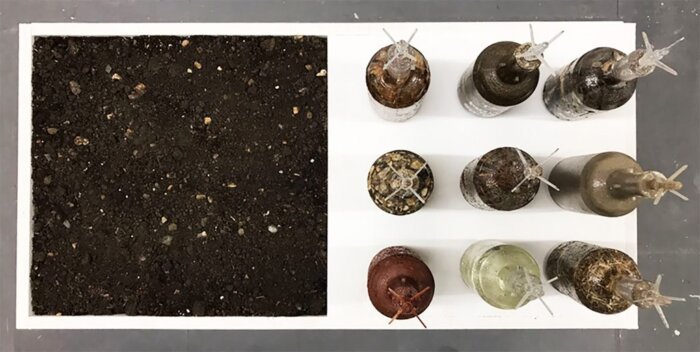
Materia Prima started from the relationship between the intensive extraction of subsoil matter and the collateral destruction of the territory resulting in what we call architecture. In other words, we look at the landscape transformations that architecture brings about, or what we call “architecture extractivism”.
By visualizing the impact of the extractive industry, its geographic location, and the radical transformations caused by its gigantic mechanical procedures, it also seeks to understand the impact of architecture on the land, the landscape, and the territory.
Over the last year, Materia Prima has conducted more than twenty field visits to different extraction sites in Mexico with the objective of better grasping the nuances of its first approach. Visiting these places allowed us to unfold the word “landscape” into several dimensions.
This project was part of “2021 Creative Exchange: Landscapes of Care” by Future Architecture Platform, selected for “Landscapes of Infrastructure” by Open House Worldwide Festival 2020 and “The Future is now” Digital Architecture Pavilion of the Mexican Design Open 2020.
About the Lecture /
Materia Prima is a critical research project born from the relationship between the intensive extraction of subsoil matter and the collateral destruction of the territory resulting in what we call architecture. In other words, we look at the landscape transformations that architecture brings about, hereafter called “architecture extractivism”.
Over the last year, Materia Prima has conducted more than twenty field visits to different extraction sites in Mexico with the objective of better grasping the nuances of its first approach. Visiting these places allowed us to unfold the word “landscape” into several dimensions, such as (i) ecological landscape, (ii) social landscape, (iii) flows landscape, and (iv) landscapes of care.
We aim to further explore these four dimensions with the information obtained so far, and as the research continues: (i) ecological landscape aims to look at the territory, and the physical and environmental impacts of architecture extractivism, (ii) social landscape will argue the ways in which this affect people, health, living, and labour rights, (iii) flows landscape elaborates over a broader understanding of the impacts rather than a isolated one, due to the massive transportation of materials, and the constant use of huge amounts of water, finally, (iv) landscapes of care invites us to care as much for the places we construct as for the places we extract the needed materials from in order to understand architecture as a change agent.
We think it is fundamental that architecture separates from the old ideas of progress and creative destruction, and instead, includes the multiple dimensions of care in its processes, and recovers its connection with the raw materials, and its obtaining procedures.
Materia Prima includes the observation of the transformed landscape and a reflective approach to its dynamics with the intention of learning from it how to build without destruction taking over. Once we recognize the impact that we achieve as dominant agents on the landscape, we want an architecture that conspires with the landscape of care.
We are currently working on a series of systematic explorations in the Mexican territory, starting with the State of Mexico.

AL/
Materia Prima është një projekt hulumtues kritik i ideuar nga Erika Loana dhe Gabriela Sisniega, arkitekte meksikane të cilat kanë punuar së bashku që nga viti 2011.
Materia Prima filloi nga marrëdhënia midis nxjerrjes intensive të lëndës nëntokësore dhe shkatërrimit kolateral të territorit duke rezultuar në atë që ne e quajmë arkitekturë. Me fjalë të tjera, ne shikojmë transformimet e peizazhit që sjell arkitektura, ose atë që ne e quajmë “ekstraktivizëm i arkitekturës”.
Duke vizualizuar ndikimin e industrisë nxjerrëse, vendndodhjen e saj gjeografike dhe transformimet rrënjësore të shkaktuara nga procedurat e saj gjigande mekanike, gjithashtu kërkon të kuptojë ndikimin e arkitekturës në tokë, peizazh dhe territor.
Gjatë vitit të kaluar, Materia Prima ka kryer më shumë se njëzet vizita në terren në vende të ndryshme nxjerrjeje në Meksikë me objektivin për të kuptuar më mirë nuancat e qasjes së saj të parë. Vizita në këto vende na lejoi të shpalosim fjalën “peizazh” në disa dimensione.
Ky projekt ishte pjesë e “2021 Creative Exchange: Landscapes of Care” nga platforma Future Architecture Platform, e zgjedhur për “Landscapes of Infrastructure” nga Open House Worldwide Festival 2020 dhe “The Future is now” Pavijoni i Arkitekturës Dixhitale në Mexican Design Open 2020.

Rreth Ligjerates /
Materia Prima është një projekt kritik hulumtues i lindur nga marrëdhënia midis nxjerrjes intensive të lëndës nëntokësore dhe shkatërrimit kolateral të territorit që rezulton në atë që ne e quajmë arkitekturë. Me fjalë të tjera, ne shikojmë transformimet e peizazhit që sjell arkitektura, të quajtur më tej “ekstraktivizmi i arkitekturës”.
Gjatë vitit të kaluar, Materia Prima ka kryer më shumë se njëzet vizita në terren në vende të ndryshme nxjerrjeje në Meksikë me objektivin për të kuptuar më mirë nuancat e qasjes së saj të parë. Vizita në këto vende na lejoi të shpalosim fjalën “peizazh” në disa dimensione, të tilla si (i) peizazhi ekologjik, (ii) peizazhi social, (iii) peizazhe në lëvizje (iv) peizazhet e kujdesit.
Ne synojmë të eksplorojmë më tej këto katër dimensione me informacionin e marrë deri më tani, dhe ndërsa kërkimi vazhdon: (i) peizazhi ekologjik synon të shikojë territorin, dhe ndikimet fizike dhe mjedisore të ekstraktivizmit të arkitekturës, (ii) peizazhi social do të argumentojë mënyrat në të cilat kjo ndikon te njerëzit, shëndeti, jetesa dhe të drejtat e punës, (iii) peizazhi i rrjedhës përpunon një kuptim më të gjerë të ndikimeve sesa një kuptim të izoluar, për shkak të transportit masiv të materialeve dhe përdorimit të vazhdueshëm të sasive të mëdha të ujit, së fundi, (iv) peizazhet e kujdesit na fton të kujdesemi për vendet që ndërtojmë po aq shumë sa për vendet nga të cilat nxjerrim materialet e nevojshme për të kuptuar arkitekturën si një faktor ndryshimi.
Ne mendojmë se është thelbësore që arkitektura të ndahet nga idetë e vjetra të përparimit dhe shkatërrimit krijues, dhe në vend të kësaj, të përfshijë dimensionet e shumta të kujdesit në proceset e saj, dhe të rimarrë lidhjen e saj me lëndët e para, dhe procedurat e marrjes së saj.
Materia Prima përfshin vëzhgimin e peizazhit të transformuar dhe një qasje reflektuese ndaj dinamikës së tij me synimin për të mësuar prej tij se si të ndërtohet pa u shkatërruar. Pasi të njohim ndikimin që ne arrijmë si faktor dominues në peizazh, ne duam një arkitekturë që komploton me peizazhin e kujdesit.
Aktualisht ne jemi duke punuar në një seri eksplorimesh sistematike në territorin meksikan, duke filluar me shtetin e Meksikës.

EN/
Rafi Segal is an architect and Associate Professor of Architecture and Urbanism at MIT. His work involves design and research on the architectural, urban and regional scale, currently focused on how emerging notions of collectivity can impact the design of buildings and cities. His current ongoing work includes designs for new communal neighborhoods in Israel, Boston, Rwanda, and the Philippines. Segal directs Future Urban Collectives, a new design-research lab at MIT that explores the relation between digital platforms and physical communities asking how architecture and urbanism can support and scale cohabitation, coproduction, and coexistence. Segal has exhibited his work at venues including Storefront for Art and Architecture; KunstWerk, Berlin; Witte de With, Rotterdam; Venice Biennale of Architecture; Museum of Modern Art; and the Hong Kong/Shenzhen Urbanism Biennale. He holds a PhD from Princeton University and a M.Sc and B.Arch from Technion, Israel Institute of Technology.
Most recently, Jahn and Segal have collaborated on “Open Collectives,” a station at the 17th Venice Biennale of Architecture. Jahn and Segal, with developer Ernst Valery, are co-founding Carehaus, the U.S.’ first care-based co-housing building whose first site opens in Baltimore in 2023.
About the Lecture / Art and Architecture in Dialogue: Re-imagining Public Space
In this lecture Marisa Morán Jahn and Rafi Segal explore the power of art and architecture to build new narratives and re-imagine urban space. Traversing sculpture, film, installation, and architecture, Segal and Jahn’s individual work and collaboration creates forms and spaces for emerging collective identities, communal self-determination, and a pluralist economy.

AL/
Rafi Segal është arkitekt dhe profesor i asociuar i Arkitekturës dhe Urbanizmit në MIT. Puna e tij përfshin hartimin dhe hulumtimin në shkallën arkitektonike, urbane dhe rajonale, të përqendruar aktualisht në atë se si nocionet e reja të kolektivitetit mund të ndikojnë në hartimin e ndërtesave dhe qyteteve. Puna e tij aktuale e vazhdueshme përfshin modele për lagje të reja përbashkëta në Izrael, Boston, Ruanda dhe Filipine. Segal drejton Future Urban Collectives, një laborator i ri hulumtues-dizajnues në MIT që eksploron lidhjen midis platformave dixhitale dhe komuniteteve fizike duke pyetur se si arkitektura dhe urbanizmi mund të mbështesin dhe shkallëzojnë bashkëjetesën, bashkëprodhimin dhe bashkëjetesën. Segal ka ekspozuar punën e tij në vende përfshirë Dyqanin për Art dhe Arkitekturë; KunstWerk, Berlin; Witte de With, Roterdam; Bienaleja e Arkitekturës në Venecia; Muzeu i Artit Modern; dhe Bienalen e Urbanizmit në Hong Kong/Shenzhen. Ai ka një doktoraturë nga Universiteti Princeton dhe një M.Sc dhe B.Arch nga Technion, Instituti i Teknologjisë i Izraelit.
Kohën e fundit Jahn dhe Segal kanë bashkpunuar në “Open Collectives” instalacion ky pjesë e ekspozitës së Arkitekturës në Bienalën e 17-të të Venecias. Jahn dhe Segal së bashku me ndërtuesin Ernst Valery janë bashkthemelues të Carehous, objektit të parë i bashkëpronësisë dhe “bashkë kujdesit” në Shtetet e Bashkuara, objekt ky i cili pritet të hapet në Baltimore në vitin 2023.
Rreth Ligjeratës / Arti dhe Arkitektura në Dialog: Ri-imagjinimi i Hapësirës Publike
Në këtë ligjëratë Marisa Morán Jahn dhe Rafi Segal eksplorojnë fuqinë e artit dhe arkitekturës për të ndërtuar rrëfime të reja dhe për të ri-imagjinuar hapësirën urbane. Duke përshkuar skulpturën, filmin, instalacionin dhe arkitekturën, puna dhe bashkëpunimi individual i Segal dhe Jahn krijon forma dhe hapësira për identitetet kolektive në zhvillim, vetëvendosjen e përbashkët dhe një ekonomi pluraliste.