+ Keynote Speakers
AL/
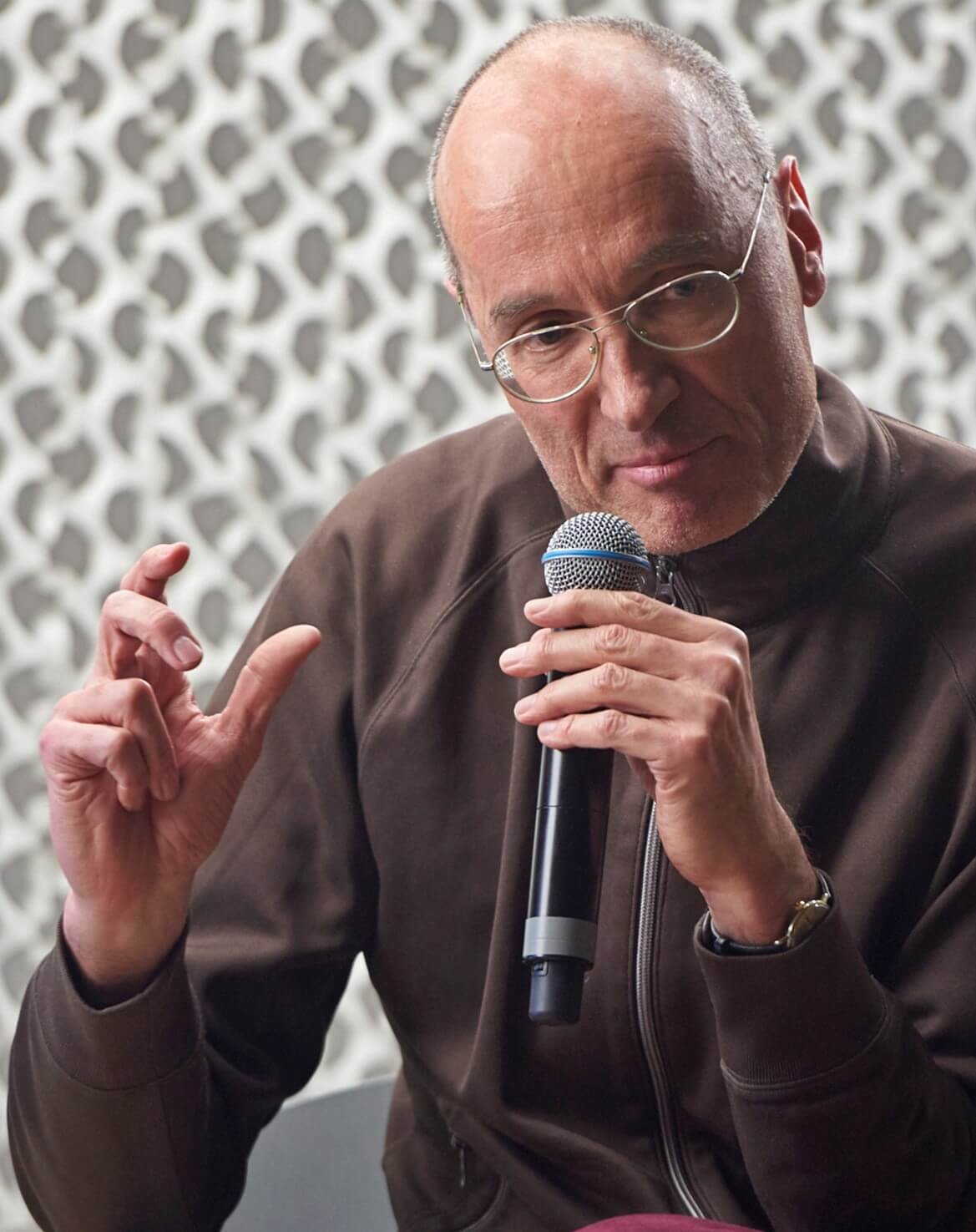
Harald Trapp është sociolog (BA/MA LMU Mynih) dhe arkitekt (Dipl.-Ing. Universiteti i Stuttgartit). Ai bashkë-kuroi dhe projektoi pavijonin austriak në Bienalen e Arkitekturës së Venedikut 2014 me Christian Kühn, Harald jep mësim në Universitetin e Teknologjisë së Vjenës, ku edhe përfundoi doktoraturën në vitin 2013. Nga viti 2015-2018 ai ishte drejtues i programit Master në Arkitekturë në Universitetin e Londrës Lindore. Ai është profesor vizitor në University American College në Shkup dhe ishte profesor vizitor në Universitetin e Innsbruck (2021-2023). Në vitin 2019 ai themeloi AKT, një kolektiv arkitektësh në Vjenë, i cili deri në vitin 2024 konceptoi dhe ndërtoi instalime të ndryshme, si dhe dizajne skenash dhe ekspozitash në Austri, Luksemburg dhe Itali. AKT kuroi dhe projektoi pavijonin austriak në Bienalen e Arkitekturës së Venedikut 2023 (me Hermann Czech). Që nga viti 2025 ai është bashkëthemelues i TAT., një shoqatë prej tetë arkitektësh dhe shkencëtarësh në Vjenë. Publikimet e tij përfshijnë AKT 1 – 5 (me AKT), Partecipazione (me AKT dhe Hermann Czech), “Wand” (me TAT.), “Bastlertraum” rreth ndërtimit informal dhe artikuj të shumtë në revista të ndryshme.
Praktika
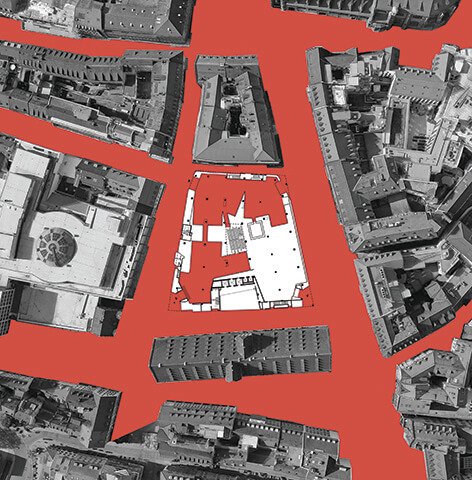
Arkitektura e Kryeqytetit (me Robert Thum) 2015 – 2019, Akademia Evropiane e Artit Trier, LUCA Luksemburg; Një Atlas i Përbashkët, Berlini dhe mbarë bota; Arkitektura e Kryeqytetit – Hetime në Prodhimin e Hapësirës | ARCH+
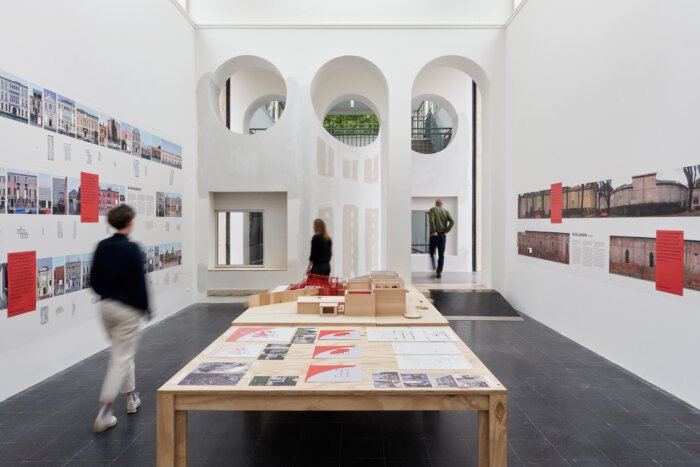
AKT (2019 – 2024) ishte një kolektiv arkitektonik vjenez me shtatëmbëdhjetë anëtarë me qëllim promovimin e prodhimit të pavarur dhe utopik të hapësirës. Dizajni i mjedisit tonë jetësor, i cili drejtohet gjithnjë e më shumë nga kufizimet ekonomike, do të ndërpritej, përmbysej dhe kundërshtohej nga modele alternative përmes ndërtimit të hapësirave prej betoni. I ndërthurur ishte prodhimi i teorisë dhe teksteve për të udhëhequr dhe reflektuar këtë punë. AKT ka ndërtuar: AKT 1 “Europa”, Oststation, Vjenë (AT) 2019, AKT 2 “EinGang”, Am Kempelenpark, Vjenë (AT) 2019, AKT 3 “Nachbar*in”, Leopoldquartier, Vjenë (AT) 2020 “Grain Gang”, AKT 2021, AKT 5 “Einbruch”, Java e Artit në Vjenë, Vjenë (AT) 2021, AKT 6 “Behaelter”, Landestheater St. Bienalja e Arkitekturës, Venecia (IT) 2023, Tangente St. Pölten 2024. Arkitektura e ekspozitës për “Ueber das Neue”, Belvedere 21, Vjenë (AT) 2023, “Zukunft”, Muzeu i Fëmijëve Zoom, Vjenë (AT) 2023, “Bienalja e Kievit”, Vjenë (AT) 2023
TAT. është një shoqatë me seli në Vjenë e tetë arkitektëve dhe shkencëtarëve që pasoi AKT-n. Ajo eksploron marrëdhënien midis njerëzve dhe gjërave që krijojnë së bashku hapësirë. Arkitektura si veprim dhe komunikim i gjallë, i sjellë në jetë përmes ndërtimit. Prodhimi i vazhdueshëm i teorisë konsiderohet thelbësor. Grupi është themeluar në vitin 2025 nga anëtarët bashkëthemelues të AKT, plus anëtarë të rinj. TAT përbëhet nga: Fabian Antosch, Gerhard Flora, Max Hebel, Lisa Leitenmüller, Philipp Krummel, Philipp Oberthaler, Harald Trapp, Lisi Zeininger.
EN/
Harald is a sociologist (BA/MA LMU Munich) and architect (Dipl.-Ing. University of Stuttgart). He co-curated and designed the Austrian pavilion at the Venice Architecture Biennale 2014 (with Christian Kühn) and teaches at Vienna University of Technology, where he completed his PhD in 2013. From 2015-2018 he was head of the Master of Architecture programme at the University of East London. He is visiting professor at University American College in Skopje and was a guest professor at the University of Innsbruck (2021-2023). In 2019 he founded AKT, an architects collective in Vienna, which until 2024 conceived and built various installations as well as stage- and exhibition designs in Austria, Luxembourg and Italy. AKT curated and designed the Austrian pavilion at the Venice Architecture Biennale 2023 (with Hermann Czech). Since 2025 he is cofounder of TAT., an association of eight architects and scientists in Vienna. His publications include AKT 1 – 5 (with AKT), Partecipazione (with AKT and Hermann Czech), “Wand” (with TAT.), “Bastlertraum” about informal building and numerous articles, e.g. in ARCH+.

Practice
Capital Architecture (with Robert Thum) 2015 – 2019, European Art Academy Trier, LUCA Luxembourg; An Atlas of Commoning, Berlin and worldwide; Capital Architecture – Investigations into the Production of Space | ARCH+
AKT (2019 – 2024) was a seventeen-member Viennese architectural collective with the goal of promoting the independent and utopian production of space. The design of our living environment, which is increasingly driven by economic constraints, was to be disrupted, subverted, and counteracted by alternative models through the construction of concrete spaces. Intertwined was the production of theory and texts to guide and reflect this work. AKT has built: AKT 1 “Europa”, Oststation, Vienna (AT) 2019, AKT 2 “EinGang”, Am Kempelenpark, Vienna (AT) 2019, AKT 3 “Nachbar*in”, Leopoldquartier, Vienna (AT) 2020, AKT 4 “Gast”, Club Hybrid, Graz (AT) 2021, AKT 5 “Einbruch”, Vienna Art Week, Vienna (AT) 2021, AKT 6 “Behaelter”, Landestheater St. Pölten (AT) 2022, AKT 7 “Masken”, Independent Little Lies, Esch (LU) 2022, AKT & Hermann Czech “Partecipazione / Participation”, Architecture Biennale, Venice (IT) 2023, Tangente St. Pölten 2024. Exhibition architecture for “Ueber das Neue”, Belvedere 21, Vienna (AT) 2023, “Zukunft”, Zoom Children’s Museum, Vienna (AT) 2023, “Kyiv Biennial”, Vienna (AT) 2023
Website: Architekturkollektiv AKT
Instagram: @akt_kollektiv
TAT. is a Vienna-based association of eight architects and scientists succeeding AKT. It explores the relationship between people and things that collectively create space. Architecture as action and vibrant communication, brought to life through construction. The continuous production of theory is regarded essential. The group has been established in 2025 by cofounding members of AKT, plus new ones. TAT consists of: Fabian Antosch, Gerhard Flora, Max Hebel, Lisa Leitenmüller, Philipp Krummel, Philipp Oberthaler, Harald Trapp, Lisi Zeininger.
Instagram: @tat_arbeitsgruppe

AL/
Jean-François (1988) është dizajner mjedisor dhe arkitekt peizazhi, i angazhuar në projekte të rigjenerimit urban. Ai ka një qasje shumështresore ndaj analizës urbane dhe punon me kompozim, ngjyra, atmosfera, ndriçim dhe detaje. Ai përqendrohet te analiza e vendit dhe përcaktimi i hapësirave specifike për ndërhyrje dizajni.
Jean-François ka përfunduar studimet në Akademinë e Arkitekturës në Amsterdam, ku ka marrë diplomën Master në arkitekturë peizazhi. Në projektin e tij të diplomimit, të titulluar “Trees First”, ai ka zhvilluar kërkime mbi sistemin dhe mundësitë e pyllit urban; duke e marrë si pikënisje pemët në qytetin e Brukselit për një dizajnim më të mirë të hapësirave publike.
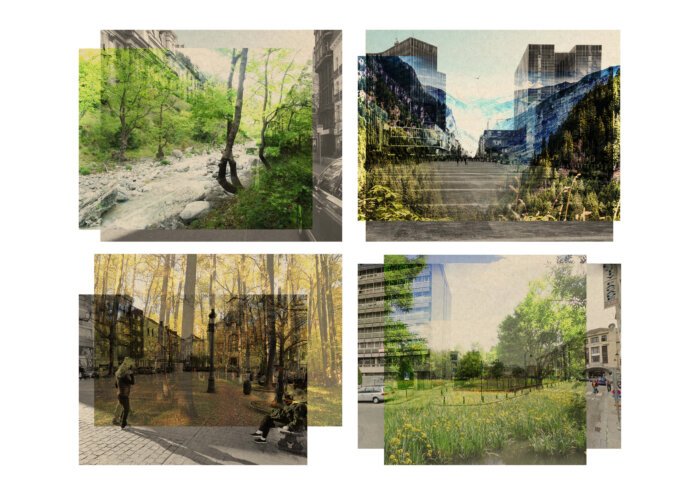
Praktika e tij ndodhet në kufirin midis një fascinimi për ekosistemet e pyjeve dhe eksperimentimeve artistike. Ai përdor teknika arti me media të përziera, si kolazhe, video dhe vizatime me dorë, për të hartuar territore potenciale pyll-qytet, për të eksploruar botën nëntokësore të qyteteve tona dhe për të vizualizuar suksesionin e pyjeve në hapësirat publike.
Në vitin 2021, ai themeloi SYLVA Atelier for Landscape Architecture & Urban Forestry për ta zhvilluar më tej këtë mjeshtëri, pasi beson se sfidat mjedisore të shekullit XXI kërkojnë një gjuhë të re dizajni.
Jean-François është gjithashtu i përfshirë në arsim dhe aktualisht është koordinator i programit Pre-Master & Minor Landscape Architecture në Akademinë e Arkitekturës në Amsterdam.
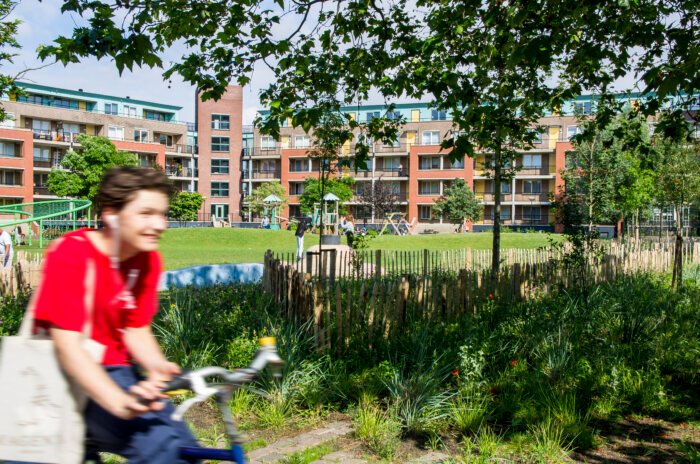
SYLVA Atelier
Një zgjidhje e qëndrueshme pyjore për mjediset urbane
Meqenëse pritet që 70% e popullsisë së botës të jetojë në qytete deri në vitin 2050 (Kombe të Bashkuara, 2018), është e nevojshme një qasje radikale ndaj peizazhit qytetar për t’u mundësuar qytetarëve aksesin në natyrë në jetën e tyre të përditshme.
Ne propozojmë përfshirjen e pemëve dhe nevojave të tyre, si mbi tokë ashtu edhe nën tokë, si një domosdoshmëri absolute që në fillim të zhvillimit të hapësirave publike.
Nesër, duhet të prezantojmë pyje në qytetet tona, në vend të mbjelljes së pemëve të vetmuara. Në këmbim do të përfitojmë shumë përfitime, si përmirësimi i shëndetit publik dhe adaptimi ndaj ndryshimeve klimatike.
Sfidat globale të urbanizimit kërkojnë një qëndrim të ri ndaj pemëve dhe një mjeshtëri të re që ne zhvillojmë në SYLVA, duke krijuar një urë midis arkitekturës së peizazhit dhe pylltarisë urbane.
Si praktikë dizajni, ne synojmë të organizojmë një kolektiv fleksibël pjesëmarrësish për të krijuar zgjidhje të personalizuara për çdo projekt.
Rreth ligjëratës:
Pemët së pari: hapësirat publike të qytetit-pyll
Si të zhvillojmë tipologji të reja urbane ku pemët luajnë një rol qendror, duke kombinuar dizajnin, krijimin e vendit, pjesëmarrjen dhe sigurimin e kushteve të përshtatshme për rritjen e pemëve që do të plaken dhe do t’u sjellin dobi të gjithëve?
Duke rritur sipërfaqen e kurorës së pemëve, do të marrim përfitime të mëdha në këmbim, si përmirësimin e shëndetit publik dhe përshtatjen ndaj ndryshimeve klimatike. Tre tema kryesore paraqiten si një kornizë e mundshme ekologjike për dizajnin e pyllit urban: një territor, një komunitet dhe një peizazh kohe.
Le ta shohim qytetin si një territor të mundshëm pyjor.
Në natyrë, pyjet organizohen përmes burimeve, korridoreve dhe gurëve kalimtarë, duke formuar një rrjet ekologjik. Në kushte urbane, natyra është e fragmentuar dhe e shqetësuar rëndë nga aktivitetet njerëzore, gjë që sjell humbje të biodiversitetit. Megjithatë, duke e parë qytetin si një rrjet ekologjik pyjor të mundshëm, parqet mund të shihen si burime biodiversiteti; rrugët si korridore ekologjike dhe sheshet si habitate kalimtare.
Le të shpikim tipologji të reja hapësirash publike rreth komuniteteve të pemëve.
Në metodologjinë “Trees First”, përshtatja klimatike e mjedisit urban projektohet nga habitatet e pemëve. Shkalla e ndriçimit nga dielli, hija, lagështia e tokës dhe tipi i tokës përcaktojnë se cili habitat natyror dhe cila komunitet bimësie është i përshtatshëm për një vend specifik urban.
Le të përcaktojmë strategji peizazhore për të lejuar suksesionin pyjor në qytet.
Kur i jepen kohë dhe hapësirë, një pyll rritet i fortë dhe vetëmbahet. Duke përcaktuar strategji të veçanta, suksesioni ekologjik mund të ndodhë edhe në hapësirat tona urbane të kufizuara. Qytetarët do të lidhen sërish me ritmin e ngadaltë të rritjes së pemëve, duke forcuar ndjenjën e përkatësisë rreth mirëmbajtjes dhe kujdesit për pyllin urban.

EN/
Jean-François (1988) is an environmental designer and landscape architect, involved in urban regeneration projects. He has a multi-layered approach towards urban analysis and works with composition, colours, atmospheres, lighting and details. He focuses on site-analysis and defining specific places for design interventions.
Jean-François has graduated from the Amsterdam Academy of Architecture with a Master’s degree in landscape architecture. In his graduation project titled ‘Trees First’, he has conducted research into the system and possibilities of the urban forest; focusing on trees in the city of Brussels as a starting point for better design of public spaces.
His practice lies at the edge between a fascination for forest ecology systems and artistic experimentations.
He uses mixed media art techniques such as collages, videos and hand drawings to map potential forest-city territories, to explore the underground world of our cities and to visualize forest succession in public spaces.
In 2021, he founded SYLVA Atelier for Landscape Architecture & Urban Forestry to develop further this craftsmanship, as he believes that the environmental challenges of the 21st century ask for a new design language.
Jean-François is also involved in education and is currently coordinator for the Pre-Master & Minor Landscape Architecture at Academy of Architecture in Amsterdam.
SYLVA Atelie
A grounded forest solution for urban environments
As 70% of the world population is expected to live in cities by 2050 (United Nations, 2018), a radical approach towards cityscape is needed to allow citizens to access nature in their daily lives.
We propose to include trees and their needs, both above and below ground, as an absolute necessity at the beginning of the development of public spaces.
Tomorrow, we must introduce forests in our cities rather than planting solitary trees. We will receive great benefits in return such as improved public health and climate change adaptation.
Global urbanization challenges ask for a new attitude towards trees and a new craftsmanship that we develop at SYLVA, creating a bridge between landscape architecture and urban forestry.
As a design practice we want to organise a flexible collective of participants in order to make tailor fit solutions for every project.
About the Lecture
Trees first: the public spaces of the forest city
How to develop new urban typologies in which trees play a central role, combining design, place making, participation and the implementation of good growing conditions for trees that will grow old and benefit all?
By increasing the tree canopy cover, we will receive great benefits in return such as improved public health and climate change adaptation. Three main themes are introduced as a possible ecological framework for urban forest design: a territory, a community, and a time landscape.
Let’s look at the city as a potential forest territory.
In a natural setting, forests are organized through sources, corridors, and stepping stones, forming an ecological network. In urban conditions, nature is fragmented and highly disturbed by human activities which results in loss of biodiversity. However, looking at the city as a potential forest ecological network, parks could be seen as biodiversity sources; streets could be seen as ecological corridors and squares could be seen as stepping stone habitats.
Let’s invent new public space typologies around tree communities.
In the ‘Trees First’ methodology, climate adaptation of the urban environment is designed from the habitat of trees. The degree of sunlight, shade, soil moisture characteristics and soil type determine which natural habitat and its corresponding planting community are applicable for a specific urban location.
Let’s define landscape strategies to allow forest successions to happen in the city.
When given time and space, a forest will grow strong and will self-sustain itself. By defining specific strategies, ecological succession can happen within our various and constrained urban spaces. Citizens will then connect back with the slow-paced growth of trees, enhancing a sense of belonging around the maintenance and care of the urban forest.

AL/
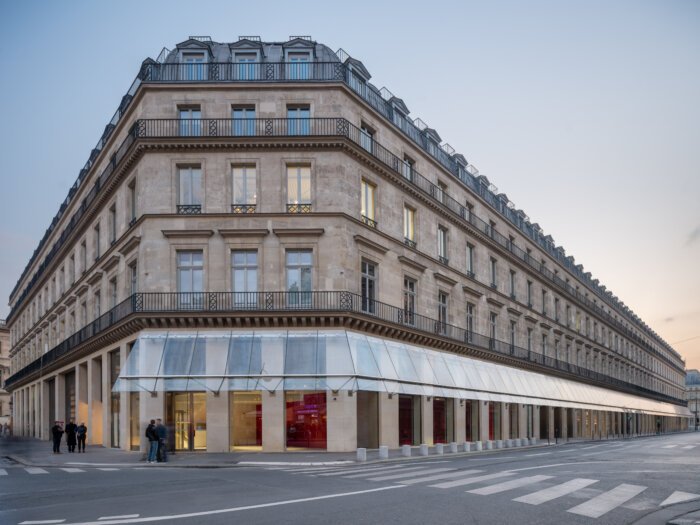
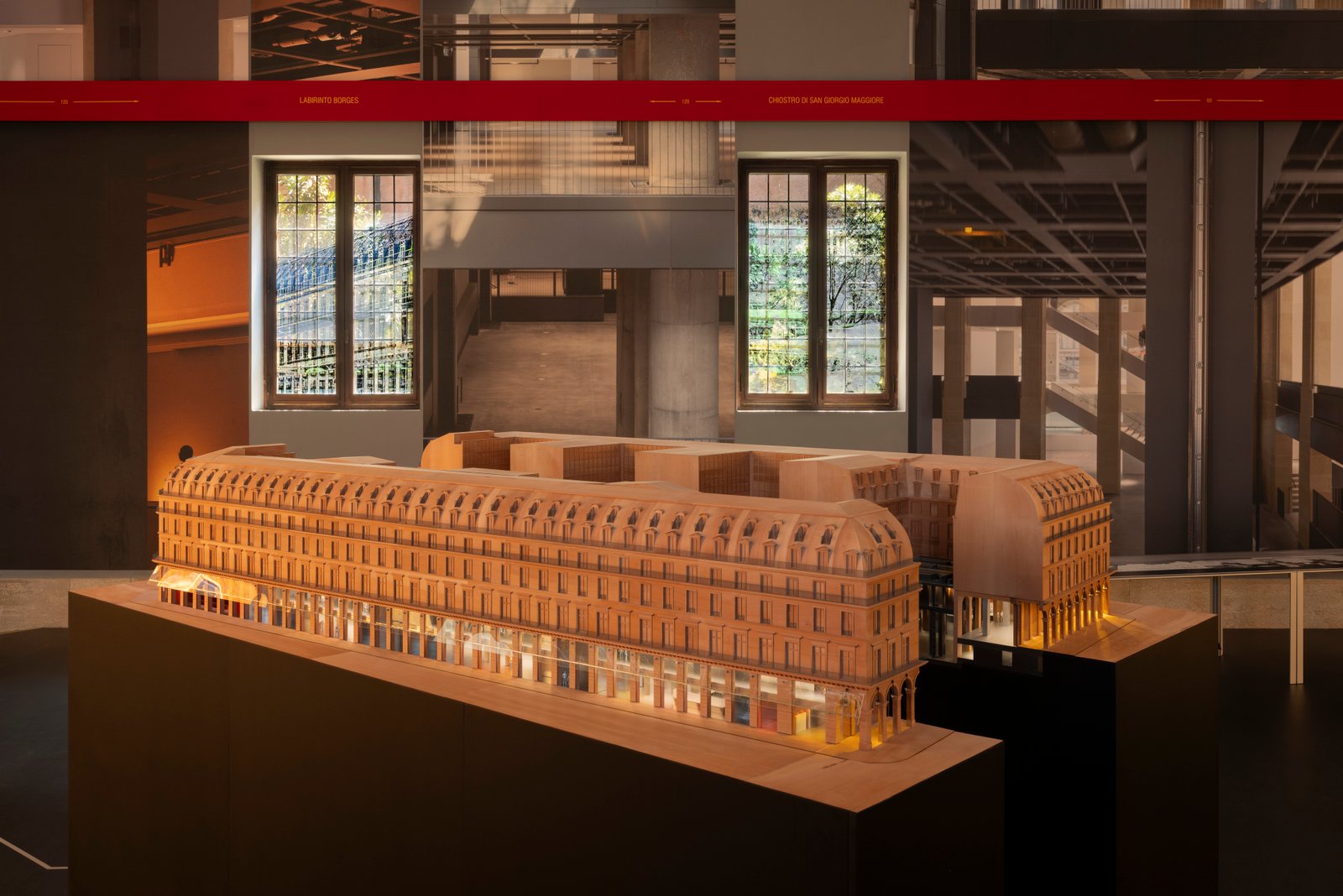
Drejtoreshë e Projekteve Strategjike dhe Programeve Ndërkombëtare Béatrice Grenier është shkrimtare, redaktore dhe kuratore me qendër në Paris. Aktualisht shërben si Drejtore e Projekteve Strategjike dhe Programeve Ndërkombëtare në Fondation Cartier pour l’art contemporain. Në vitin 2025, ajo kuratoi një ekspozitë monografike që paraqet projektin arkitektonik të Jean Nouvel për Fondation Cartier në Place du Palais-Royal në Paris, si pjesë e programit kolateral të Bienales së 19-të të Arkitekturës në Venecia. Ajo gjithashtu kuratoi Exposition Générale, ekspozitën inaugurale kushtuar Koleksionit të Fondation Cartier në hapësirat e saj të reja.
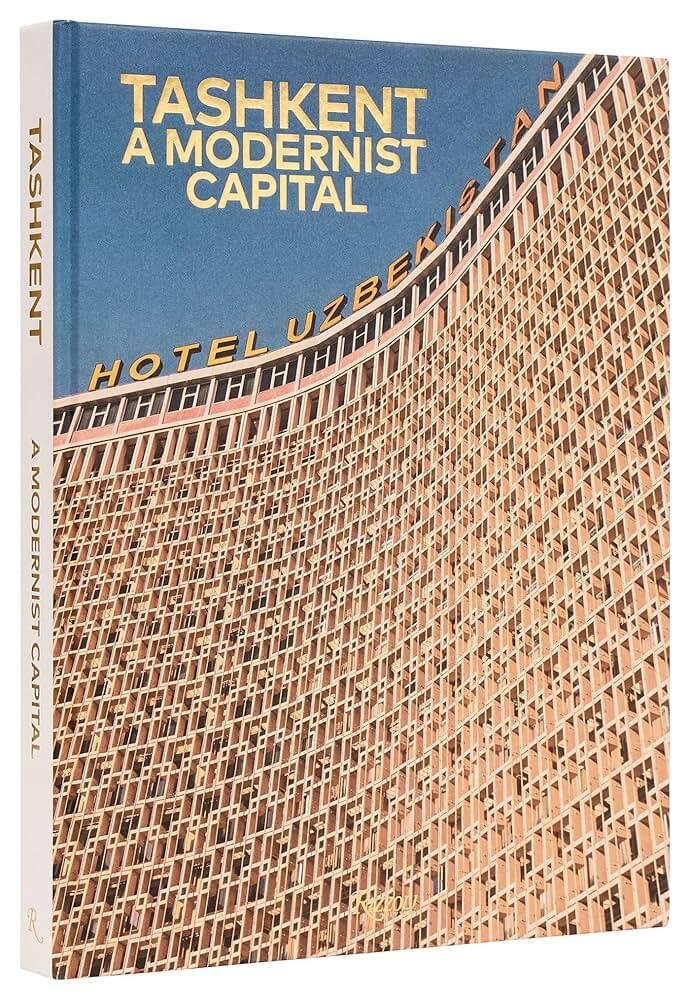
Ajo është autore librash dhe esesh në ndërthurjen mes arkitekturës dhe artit bashkëkohor global, si Architecture for Culture: Rethinking Museums (New York: Rizzoli, 2025), Tashkent: A Modernist Capital(New York: Rizzoli, 2024), dhe Infinite Memory (red.) (Milano, Paris: Lenz Press, Fondation Cartier pour l’art contemporain, 2024). Ajo është redaktore për Parisin e revistës ArtAsiaPacific dhe kontribuuese e rregullt në botime të artit dhe arkitekturës bashkëkohore si Domus, Pin-Up dhe Journal of Curatorial Studies.
Fondation Cartier pour l’art contemporain, e krijuar në vitin 1984 nga Maison Cartier, është një institucion kulturor privat, misioni i të cilit është të zbulojë artistë nga të gjitha gjeografitë kulturore dhe të promovojë të gjitha fushat e krijimtarisë artistike bashkëkohore tek publiku ndërkombëtar përmes një programi ekspozitash të përkohshme, performancash live dhe bisedash.
Programi artistik unik i Fondation Cartier eksploron një gamë të gjerë fushash krijuese, nga artet pamore dhe skenike deri tek arkitektura, dizajni, moda, filozofia dhe shkencat. Prej pothuajse katër dekadash, Fondation Cartier ka luajtur një rol kyç në zbulimin e talentit të disa prej artistëve më të mëdhenj bashkëkohor dhe ka konsoliduar hapësirat e saj muzeale si platforma ku artistët dhe shkencëtarët mund të takohen dhe të krijojnë projekte për të adresuar çështjet madhore të botës së sotme.
Në tetor 2025, Fondation Cartier do të hapë një hapësirë të re ekspozite në Place du Palais-Royal në Paris. Ky ndërtesë e re, konceptuar nga Jean Nouvel, shënon një kapitull të ri në historinë e Fondation Cartier, duke e pozicionuar atë si një aktor të rëndësishëm në zhvillimin urban dhe kulturor të qytetit të Parisit, si dhe në skenën globale të artit bashkëkohor.
Rreth ligjëratës:
Muzeu është Hapësira Ndërmjet
Po sikur të zhvendosnim atë që e konsiderojmë si vendin e duhur për një muze—nga një ndërtesë drejt hapësirave alternative të qytetit? Dhe si mund të gjeneronte kjo dije të re dhe histori kritike të reja për të rimenduar qasjet ndaj ruajtjes? Kjo ligjëratë propozon që, në ndërhapësirat e qytetit, roli i ri i muzeut përcaktohet si vendi ku urbaniteti historizohet.
EN/
Director of Strategic Projects and International Programs Béatrice Grenier is a writer, editor and curator based in Paris. She currently serves as the Director of Strategic Projects and International Programs at the Fondation Cartier pour l’art contemporain. In 2025, she curated a monographic exhibition presenting Jean Nouvel’s architectural project for the Fondation Cartier on the Place du Palais-Royal in Paris, as part of the collateral program of the 19th Venice Architecture Biennale. She also curated Exposition Générale, the inaugural exhibition dedicated to the Collection of the the Fondation Cartier in its new spaces.
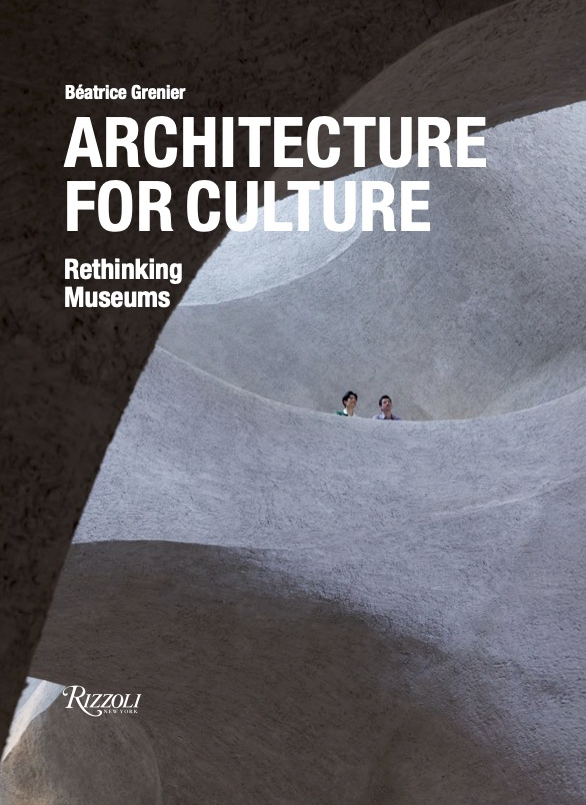
She is the author of books an essays at the intersection of global contemporary architecture and art such as Architecture for Culture : Rethinking Museums (New York: Rizzoli, 2025), Tashkent: A Modernist Capital (New York: Rizzoli, 2024), and Infinite Memory (ed), (Milan, Paris: Lenz Press, Fondation Cartier pour l’art contemporain, 2024). She is the Paris desk editor of ArtAsiaPacific and a regular contributor to contemporary art and architecture publications such as Domus, Pin-Up, and the Journal of Curatorial Studies.
The Fondation Cartier pour l’art contemporain, created in 1984 by the Maison Cartier, is a private cultural institution whose mission is to reveal artists from all cultural geographies and to promote all fields of contemporary artistic creation to the international public through a program of temporary exhibitions, live performances, and conversations.
The Fondation Cartier’s singular artistic program explores a wide array of creative fields from visual and performing arts to architecture, design, fashion, philosophy, and the sciences. For nearly four decades, the Fondation Cartier has been instrumental in revealing the talent of some of the greatest contemporary artists and has established its museum spaces as a platform where artists and scientists can meet and create projects to address major issues of today’s world.
In October 2025, the Fondation Cartier will open a new exhibition space on Place du Palais-Royal in Paris. This new building, conceived by Jean Nouvel, marks a new chapter in the history of the Fondation Cartier, which positions itself as a significant actor in the ongoing urban and cultural development of the city of Paris, as well as on the global contemporary art scene.
About the Lecture:
The Museum is the In-Between
What if we displaced what we considered to be the appropriate site of a museum—a building, to alternative spaces of the city? And how could this generate new knowledge and new critical histories to rethink approaches to preservation? This talk proposes that in the interstices of the city, the new role of the museum is defined as the place where urbanity is historicized.

AL/
Ilias Papageorgiou është një arkitekt grek dhe themelues i PILA. Ai sjell përvojë të gjerë nga Evropa dhe Amerika, duke udhëhequr projektimin dhe realizimin e projekteve kulturore, tregtare dhe rezidenciale me profil të lartë në mbarë botën. Para se të themelonte PILA, Ilias ishte partner në SO-IL në Nju Jork. Ai studioi arkitekturë në Universitetin Aristoteli në Selanik dhe në Harvard University’s Graduate School of Design, me një bursë nga Fondacioni Onassis.
Përveç praktikës së tij, Ilias është ligjërues i shpeshtë dhe panelist në institucionet kryesore të dizajnit. Ai ka qenë Profesor Ndihmës Adjunkt në Shkollën Pasuniversitare të Arkitekturës dhe Planifikimit në Universitetin Columbia, dhe ka dhënë më parë mësim në Universitetin Tulane dhe në Universitetin e Thesalisë. Puna e tij është njohur ndërkombëtarisht, duke u vlerësuar me çmime si Curbed Groundbreaker, Architects under 50, Domes International Review of Architecture Awards dhe Young Greek Architects Awards. Puna e tij është botuar gjerësisht dhe ekspozuar në institucione si Bienalja e Arkitekturës në Venecia, Muzeu i Artit Modern në Nju Jork, Muzeu i Dizajnit Cooper-Hewitt në Nju Jork dhe Muzeu Benaki në Athinë.
Aktualisht, Ilias është anëtar i Bordit të Drejtorëve të Festivalit të Athinës dhe Epidaurit, një organizatë kulturore e shquar në Greqi që fokusohet në artet skenike.
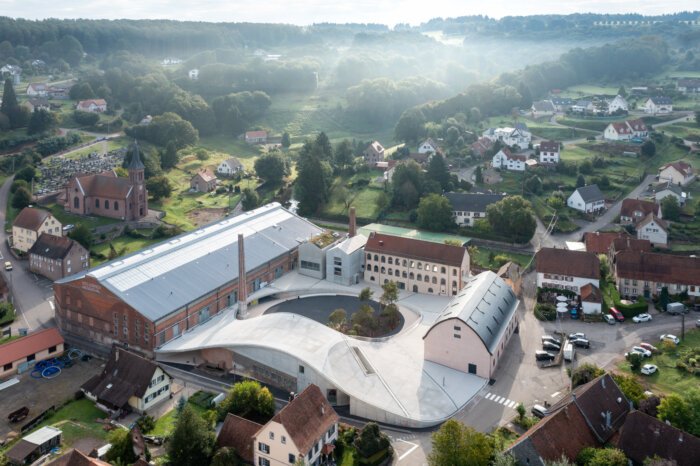
PILA Studio është një studio ndërkombëtare arkitekture me bazë në Athinë dhe Nju Jork, që krijon mjedise për kulturën, punën dhe jetesën në mbarë botën. Ata besojnë në karakterin e qëndrueshëm të arkitekturës për të krijuar lidhje domethënëse midis njerëzve dhe mjedisit të tyre, si një kundërpeshë ndaj ritmit të shpejtë të jetesës bashkëkohore. Duke rimenduar idetë ekzistuese rreth programit dhe funksionit, hapësirat fizike mund të ofrojnë mënyra të reja të përjetimit të botës.
PILA ndërton hapësira të qëndrueshme që përshtaten me transformimet e ardhshme, duke marrë parasysh mundësitë dhe kufizimet e së sotmes. Duke u mbështetur si në kontekste materiale ashtu edhe jomateriale, studioja i qaset parametrave unikë të çdo projekti me hapje dhe kureshtje. Nëpërmjet një procesi shumë bashkëpunues dhe iterativ, ata i përkthejnë mundësitë dhe kufizimet e çdo projekti në drejtime të qarta dizajni, të ndjeshme ndaj nevojave të klientit dhe kontekstit.
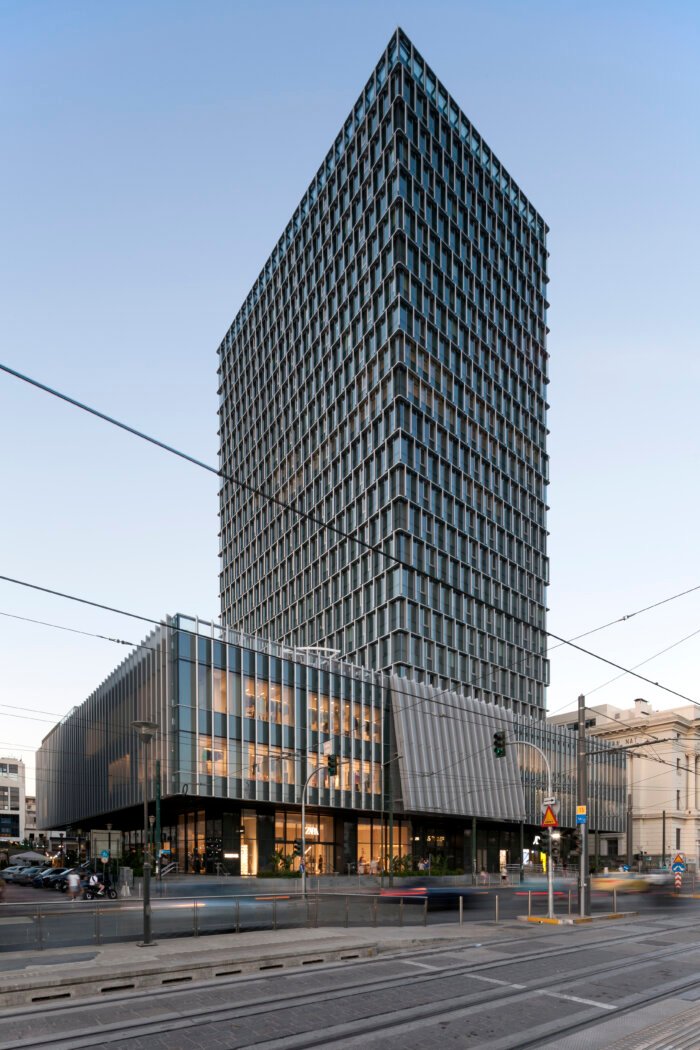
Puna e PILA-s shtrihet në shkallë dhe tipologji të ndryshme. Projektet e fundit përfshijnë ridizenjimin e fasadës së Kullës së Pireut; një ndërtesë të re universitare për Kolegjin Anatolia në Selanik; një zhvillim të përzier që kombinon zyra kërkimi dhe zhvillimi (R&D) me ndërtesa rezidenciale në Qipro; transformimin e B Plaz në Voula në një destinacion bashkëkohor mikpritjeje, aktualisht në ndërtim; një ndërtesë të re zyrash në Athinë; MKNO, një masterplan për rigjenerimin e një zone industriale të braktisur në Paris; si dhe një sërë projektesh rezidenciale në mbarë Greqinë.
EN/
Ilias Papageorgiou is a Greek architect and founder of PILA. He brings extensive experience from Europe and America, having led the design and realization of high profile cultural, commercial and residential projects around the world. Prior to founding PILA, Ilias was a partner at SO-IL in New York. Ilias studied architecture at Aristotle University in Thessaloniki and at Harvard University’s Graduate School of Design, with a scholarship from the Onassis Foundation.
In addition to his practice, Ilias is a frequent lecturer and panelist at leading design institutions. Ilias was an Adjunct Assistant Professor at Columbia University’s Graduate School of Architecture and Planning, and has previously taught at Tulane University and University of Thessaly. Ilias’s work has been internationally recognized, having been awarded as a Curbed Groundbreaker, Architects under 50, Domes International Review of Architecture Awards, and the Young Greek Architects Awards. His work has been widely published and exhibited in institutions such as the Venice Architecture Biennale in Italy, the Museum of Modern Art in New York, the Cooper-Hewitt Design Museum in New York and the Benaki Museum in Athens.
Ilias is currently serving on the Board of Directors of the Athens Epidaurus Festival, a prominent cultural organization in Greece focusing on the performing arts.
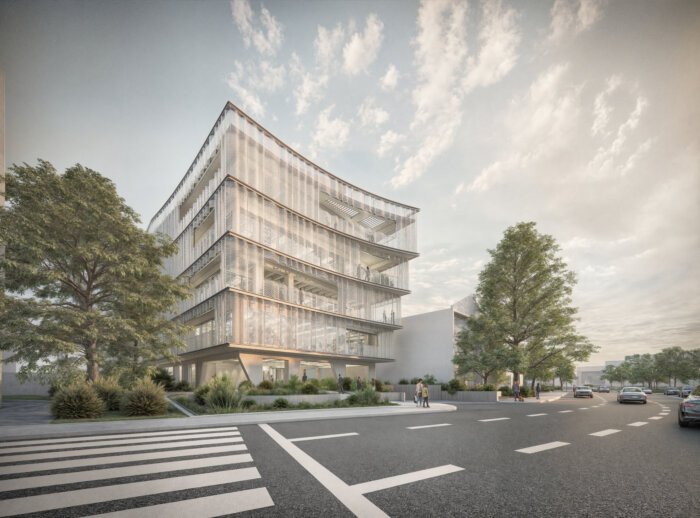
PILA Studio is an international architecture studio based in Athens and New York that creates environments for culture, working, and living around the world. They believe in architecture’s enduring character to create meaningful connections between people and their environment as a counterpoint to the speed of contemporary living. By reimagining existing ideas around program and function, physical spaces can offer new ways of experiencing the world.
PILA builds lasting spaces that adapt to future transformation, while considering today’s opportunities and constraints. Drawing upon material and immaterial contexts, the studio approaches the unique parameters of each project with openness and curiosity. Through a highly collaborative and iterative process, they translate each project’s opportunities and constraints into clear design directions that are sensitive to client and contextual needs.
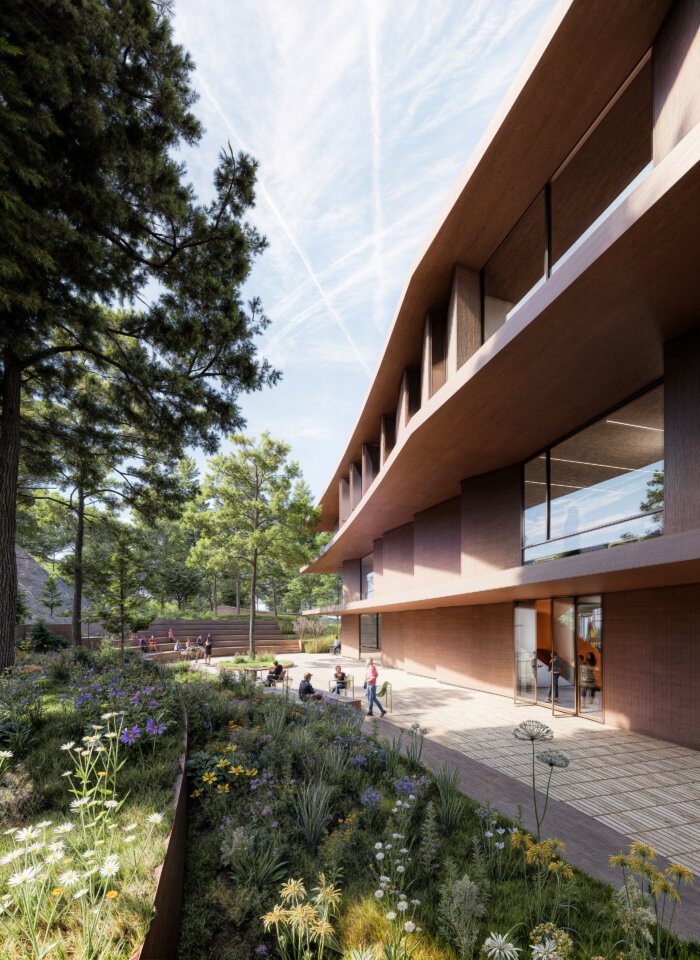
PILA’s work spans across different scales and typologies. Recent projects include the redesign of the Piraeus Tower façade; a new university building for Anatolia College in Thessaloniki; a mixed-use development combining R&D offices and residential buildings in Cyprus; the transformation of B Plaz in Voula into a contemporary hospitality destination, currently under construction; a new office building in Athens; MKNO, a masterplan to regenerate an abandoned industrial site in Paris; and a range of residential commissions throughout Greece.

AL/
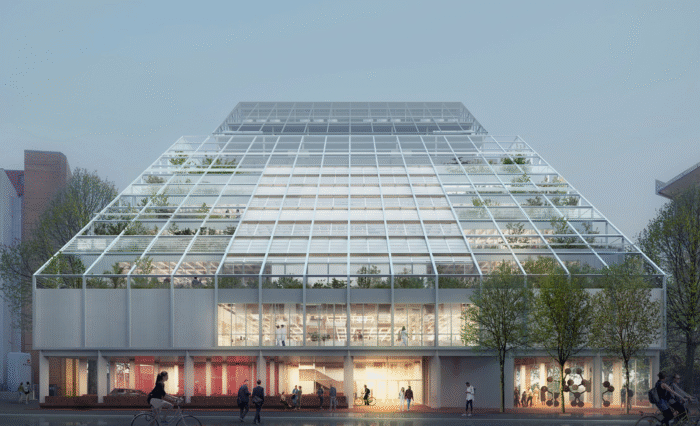
1974 lindur në Bern, Zvicër | 1994 – 2000 studime në ETH Lausanne, TU Berlin dhe ETH Zurich | 2000 – 2003 bashkëpunim me Rolf Furrer Architekten | 2002 – 2007 Asistent Mësimdhënieje në ETH Studio Base me Profesorët Roger Diener, Marcel Meili, Jacques Herzog, Pierre de Meuron | 2003 themelimi i HHF Architects | 2009 – 2017 Profesor në HEIA Fribourg | Që nga 2010 anëtar i BSA | 2011 Zëvendës Profesor në Universitetin e Innsbruck-ut | 2014 Zëvendës Profesor në Institutin e Teknologjisë Karlsruhe (KIT) | 2018 – 2019 Profesor Vizitor në Yale School of Architecture | Që nga 2018 Kritik i Dizajnit në Arkitekturë në Harvard Graduate School of Design | Që nga 2019 Profesor për Dizajn Ndërtesash, Departamenti i Arkitekturës, Instituti i Teknologjisë Karlsruhe (KIT) | Që nga 2024 Dekan i Studimeve në KIT.
HHF architects është një praktikë arkitekture me bazë në Basel, e themeluar në vitin 2003 nga Tilo Herlach, Simon Hartmann dhe Simon Frommenwiler. Duke vepruar në ndërthurjen e arkitekturës, urbanizmit dhe prodhimit kulturor, zyra zhvillon projekte që i përgjigjen konteksteve specifike, ndërsa angazhohen me pyetje më të gjera hapësinore, shoqërore dhe ekologjike. Puna e vlerësuar me çmime e HHF shtrihet në gjeografi dhe tipologji të ndryshme, duke reflektuar besimin se arkitektura nuk është produkt i stilit, por i procesit.
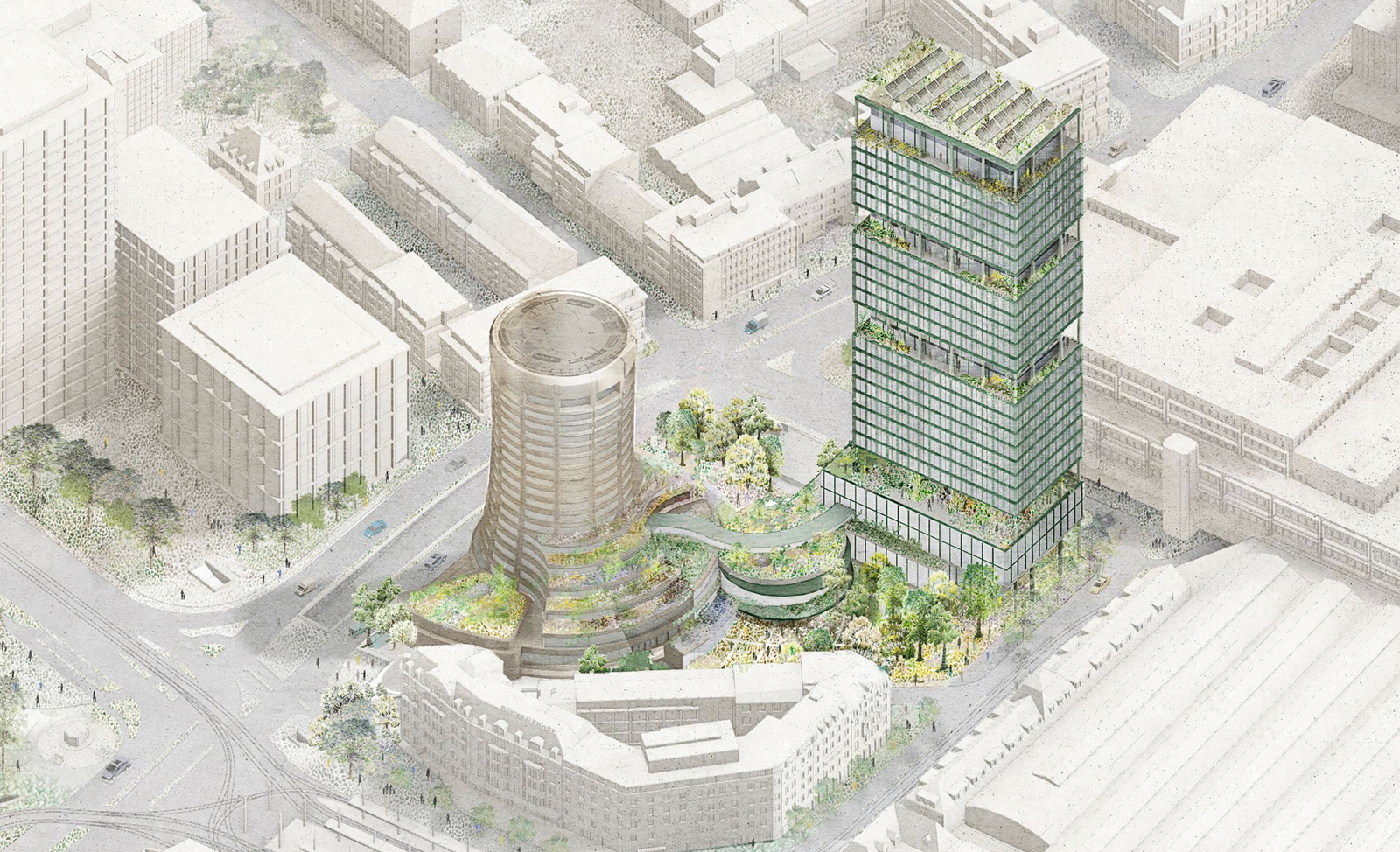
Projektet aktuale përfshijnë Starlette, një kompleks me përdorim të përzier në Strasburg; Poissy Galore, një observator dhe muze i integruar në një park peizazhi pranë Parisit; dhe Landskronhof, një densifikim oborri banimi në Basel. Përveç kësaj, HHF kontribuon në diskursin e transformimit urban në Zvicër përmes konkurseve dhe studimeve, si propozimi për kullën e re të Bankës për Shlyerje Ndërkombëtare dhe zhvillimi i lartë Nauentor në Basel. Të gjitha punët pasqyrojnë interesin e studios për ndërthurjet mes intime dhe urbanes, konceptuales dhe të ndërtuarës.
Me një ekip ndërkombëtar të larmishëm, dialogu është qendror në praktikë. Çdo projekt fillon me vëzhgim të kujdesshëm dhe formësohet përmes shkëmbimit me klientët, bashkëpunëtorët dhe vetë strukturën e vendit. Në vend që të propozojë përgjigje përfundimtare, HHF synon të krijojë korniza që evoluojnë dhe përshtaten, duke ofruar arkitekturën si një medium për transformim. Kjo qasje shtrihet si në praktikën e dizajnit, ashtu edhe në aktivitetet akademike.
Përmes mësimdhënies dhe kërkimit në institucione si Harvard Graduate School of Design dhe Fakulteti i Arkitekturës në Institutin e Teknologjisë Karlsruhe (KIT), studioja eksploron arkitekturën si një disiplinë të hapur që zbulon potenciale, sfidon supozime dhe ndërton narrativa të reja.
EN/
1974 born in Bern, Switzerland | 1994 – 2000 studies at ETH Lausanne, TU Berlin and ETH Zurich | 2000 – 2003 collaboration with Rolf Furrer Architekten | 2002 – 2007 Teaching Assistant at ETH Studio Base with Professors Roger Diener, Marcel Meili, Jacques Herzog, Pierre de Meuron | 2003 founding of HHF Architects | 2009 – 2017 Professorship at HEIA Fribourg | Since 2010 BSA member | 2011 Deputy Professorship at University of Innsbruck | 2014 Deputy Professorship at Karlsruhe Institute of Technology (KIT) | 2018 – 2019 Visiting Professor at Yale School of Architecture | Since 2018 Design Critic in Architecture at Harvard Graduate School of Design | Since 2019 Professorship for Building Design, Department of Architecture, Karlsruhe Institute of Technology (KIT) | Since 2024 Dean of Studies at KIT.
HHF architects is a Basel-based architecture practice founded in 2003 by Tilo Herlach, Simon Hartmann, and Simon Frommenwiler. Operating at the intersection of architecture, urbanism, and cultural production, the office develops projects that respond to specific contexts while engaging broader spatial, social, and ecological questions. HHF’s award-winning work spans geographies and typologies, reflecting a belief that architecture is not a product of style, but of process.
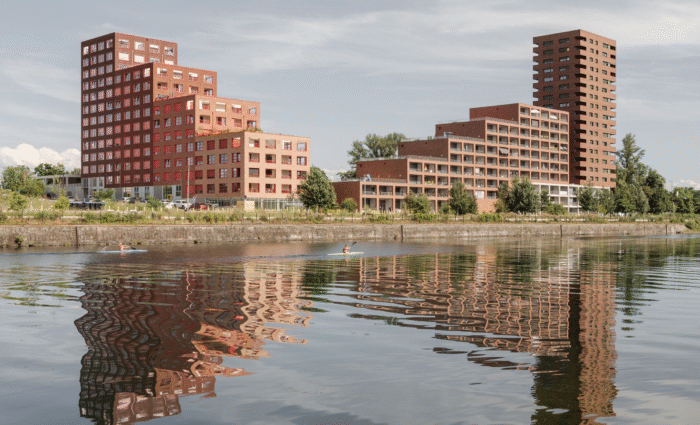
Current projects include Starlette, a mixed-use ensemble in Strasbourg; Poissy Galore, an observatory and museum embedded in a landscape park near Paris; and Landskronhof, a residential courtyard densification in Basel. In addition, HHF contributes to the discourse of urban transformation in Switzerland through competitions and studies, such as the proposal for the new Bank for International Settlements tower and the Nauentor high-rise development in Basel. All works reflect the studio’s interest in the overlaps between the intimate and the urban, the conceptual and the built.
With a diverse international team, dialogue is central to the practice. Each project begins with attentive observation and is shaped through exchange with clients, collaborators, and the site’s fabric. Rather than proposing final answers, HHF seeks to create evolving and adapting frameworks, offering architecture as a medium for transformation. This approach extends across both design practice and academic activities.
Through teaching and research at institutions such as the Harvard Graduate School of Design and the Faculty of Architecture at the Karlsruhe Institute of Technology, the studio explores architecture as an open discipline that reveals potential, challenges assumptions, and constructs new narratives.

AL/
Dea është një arkitekte, dizajnere dhe hulumtuese e shquar nga Kosova, me një portofol të gjerë e të larmishëm arritjesh akademike dhe profesionale. Ajo ka përfunduar studimet në arkitekturë dhe dizajn urban në Universitetin Polis, duke hedhur themelet për një karrierë të dalluar në debatin dhe praktikën arkitekturore. Që nga viti 2014, Dea është e përfshirë thellësisht në akademi, duke ndarë përvojën e saj përmes mësimdhënies dhe roleve kërkimore në disa institucione të njohura. Udhëtimi i saj akademik përfshin pozita në Universitetin POLIS (2014–2017), Universitetin Politeknik të Tiranës (2019–2022) dhe Universitetin Bujqësor të Tiranës, ku ajo është pedagoge që nga viti 2019. Në janar 2022, Dea filloi studimet e doktoraturës në Universitetin Bujqësor të Tiranës dhe zgjeron përvojën ndërkombëtare si kërkuese shkencore në Departamentin e Arkitekturës Urbane dhe të Peizazhit në TU Wien. Duke avancuar më tej kërkimet e saj, në janar 2025 Dea u bë kërkuese shkencore e komunitetit Lina në Festivalin e Arkitekturës së Kosovës.
Ndikimi i Deas shtrihet edhe në ngjarje të mëdha ndërkombëtare të arkitekturës dhe artit. Ajo ka bashkëkuratuar Pavijonin e Kosovës në Bienalen prestigjioze të Venecias në vitin 2018 dhe ka qenë pjesë e ekipit kuratorial për Triennalen e Milanos në vitin 2016. Përveç kësaj, ajo ka luajtur një rol kyç në organizimin dhe kurimin e Tirana Architecture Weeks në vitin 2016 dhe Tirana Design Week në vitin 2015. Në vitin 2017, Dea bashkëthemeloi studion Apparat Collective në Tiranë, së bashku me motrën e saj, Erën. Studioja e tyre e dizajnit fokusohet në projekte të vogla, por të nivelit të lartë, duke ndjekur një qasje transgresive dhe adaptive që përshtat bashkëpunimet ndërdisiplinore me kërkesat unike të secilit projekt.
Përtej punës së saj profesionale dhe akademike, Dea ka treguar një përkushtim të fortë ndaj angazhimit komunitar. Gjatë pandemisë së COVID-19, ajo dhe babai i saj nisën projektin “FaceShieldMask”, duke mobilizuar një ekip vullnetarësh për prodhimin me printer 3D të maskave mbrojtëse për personelin mjekësor në Shqipëri dhe Kosovë. Përvoja e saj përfshin gjithashtu punë të çmuar në administratën publike, ku njihet për shpirtin bashkëpunues, kujdesin në ndjekjen e procedurave dhe menaxhimin e kujdesshëm të buxheteve të projekteve.
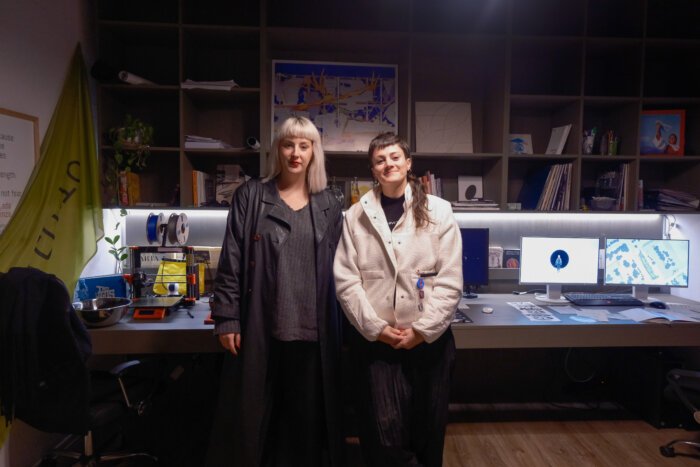
Apparat është një studio e re Arkitekture dhe Dizajni, e krijuar nga dy motra. Stilet eklektike dhe dinamike të Tiranës dhe Prishtinës shërbejnë si frymëzim për të sjellë dhe zhvilluar ide e qasje të reja që çojnë drejt ndryshimeve pozitive.Duke vëzhguar sfidat e përditshme të Tiranës dhe Prishtinës, Apparat përpiqet të shfrytëzojë qasje të reja në teknologji, arkitekturë, dizajn dhe materiale për të arritur dizajne cilësore dhe unike.Projektet e Apparat janë kryesisht të natyrës arkitekturore dhe vizuale, por ekipi ynë është gjithmonë gati të “thyejë rregullat”. Të frymëzuar nga fjala apparātus [lat.] – pra, thënë thjesht, një makineri komplekse – studio synon të ofrojë një zgjidhje të re kreative dhe teknologjike që rishkruan rregullat e lojës. Apparat synon të provokojë dhe të sjellë qasje të ndryshme ndaj çështjeve të dizajnit. Çdo projekt i Apparat ka identitetin e vet, duke ofruar një stil unik në vetvete.
Shërbimet që ofron Apparat janë: Arkitekturë dhe Dizajn Urban; Arkitekturë Peizazhi dhe Ekologji Urbane; Dizajn i Brendshëm; Dizajn Hapësirash; Dizajn Hapësirash Ekspozimi; Dizajn Grafik; Dizajn për Shtyp; Branding dhe Dizajn Grafik për Rrjetet Sociale; PR, marketing dhe menaxhim rrjetesh sociale.
Rreth ligjëratës
Kjo ligjëratë fokusohet në dikotominë midis rritjes urbane (e parë në këtë rast si zhvillim spekulativ individual) dhe ekologjisë urbane. Ligjërata zhvillohet përmes periudhave të ndryshme kohore në Shqipëri, duke u përpjekur të kuptojë se si është ndryshuar koncepti i arkitekturës dhe zhvillimit. Së fundi, konceptet e ekologjisë urbane, arkitekturës së peizazhit dhe dizajnit përdoren si qasje bazë që mund të sjellin një ndryshim në praktikë dhe në paradigmën e zhvillimit të vendit. Ligjërata gjithashtu përqendrohet te roli i arkitektit, veçanërisht arkitektit të peizazhit, si një aktor i rëndësishëm në proceset e tranzicionit të gjelbër të drejtë dhe përshtatjes ndaj ndryshimeve klimatike.
EN/
Dea is a distinguished architect, designer, and researcher from Kosovo with a robust and diverse portfolio of academic and professional accomplishments. She earned her degree in architecture and urban design from Polis University, laying the groundwork for a career marked by significant contributions to architectural discourse and practice. Since 2014, Dea has been deeply engaged in academia, sharing her expertise through teaching and research roles at several prominent institutions. Her academic journey includes positions at POLIS University (2014–2017), the Polytechnic University of Tirana (2019–2022), and the University of Agriculture in Tirana, where she has been a faculty member since 2019. In January 2022, she commenced her PhD studies at the University of Agriculture in Tirana and expanded her international experience as a Research Fellow in the Department of Urban and Landscape Architecture at TU Wien. Furthering her research endeavors, Dea became a research fellow of the Lina Community at the Kosova Architecture Festival in January 2025. Dea’s influence extends to major international architecture and art events. She co-curated the Kosovo Pavilion at the prestigious Venice Biennale in 2018 and was a contributor to the curatorial team for the Milan Triennale in 2016. Additionally, she played a key role in the organization and curation of the Tirana Architecture Weeks in 2016 and Tirana Design Week in 2015. In 2017, Dea co-founded Apparat Collective in Tirana with her sister, Era. Their design studio focuses on high-end, small-scale projects, adopting a transgressive and adaptive approach that tailors collaborations across various disciplines to meet the unique demands of each project. Beyond her professional and academic work, Dea has demonstrated a strong commitment to community engagement. During the COVID-19 pandemic, she and her father initiated the “FaceShieldMask” project, mobilizing a team of volunteers to 3D print protective masks for medical staff in Albania and Kosovo. Her experience also includes valuable work in public administration, where she is recognized for her collaborative spirit, procedural diligence, and careful management of project budgets.
Apparat is a new Architecture and Design Studio created by two sisters. The eclectic and dynamic styles of Tirana and Pristina serve as an inspiration to bring forward and develop new ideas and approaches leading to positive changes. Looking at the everyday challenges of Tirana and Prishtina Apparat tries to make use of new approaches in technology, architecture, design and materials to achieve high quality and unique designs. Apparat projects are mostly architecture and visual designs but our team is always ready to “break the rules”. Inspired by the word: apparātus [lat.] – i.e. in simple words a complex machine. The studio aims to offer a new creative and technological solution which redefines the rules of the game. Apparat tries to provoke and provide different approaches in design issues. Each project of apparat has his own identity providing a unique style in it.
Services that Apparat provides are: Architecture and Urban Design Landscape Architecture and urban ecology; Interior Design; Space Design ; Exhibition Space Design; Graphic Design ; Print Design ; Branding Social Media Graphic Design; Pr & marketing and social media;
About the Lecture:
This Lecture focuses on the dichotomy between urban growth (seen in this case as individual speculative development) and urban ecology. The lecture evolves through different timeframes in Albania in trying to understand how the concept of architecture and development has changed. Lastly, concepts of urban ecology, landscape architecture and design are used as basic approaches which can bring a shift in practice and in paradigm for the development of the country. The lecture focuses also on the role of the architect and especially the landscape architect as an important player in the just green transition processes and the adaptivity to climate change.

AL/
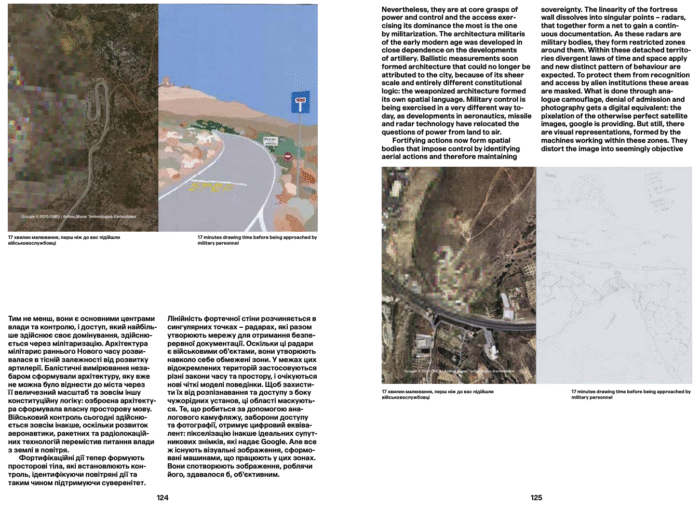
Maria Noschenko është hulumtuese dhe kuratore me bazë në Kiev, Ukrainë. Aktualisht, ajo është pjesë e studios arkitekturore ФОРМА dhe redaktore e revistës Epipolar, një revistë periodike për arkitekturën. Që prej vitit 2024, Maria punon gjithashtu si koordinatore programi dhe kuratore në Pavilionin e Kulturës. Ajo ka diplomuar në Studime Kulturore në Universitetin Kombëtar “Kyiv-Mohyla Academy”. Në praktikën e saj individuale, Maria eksploron humanitetin digjital, kulturën vizuale dhe studimet mbi terrorizmin, duke zhvilluar ligjërata performuese dhe kërkime ndërdisiplinore që ndërthurin metodat artistike me kërkimin akademik. Në vitin 2024, ajo bashkëkuratoi ekspozitën video Average Peace Enjoyer me artistin Maksym Khodak. Projekti trajtoi natyrën komplekse të formulave të paqes, duke shkuar përtej ndalimit të thjeshtë të armiqësive. Punimet e ekspozuara reflektuan mbi imazhet e luftërave në Ballkan veçanërisht në Bosnjë e Hercegovinë dhe synuan të vënë këto përvoja në dialog me kontekstin e Ukrainës.
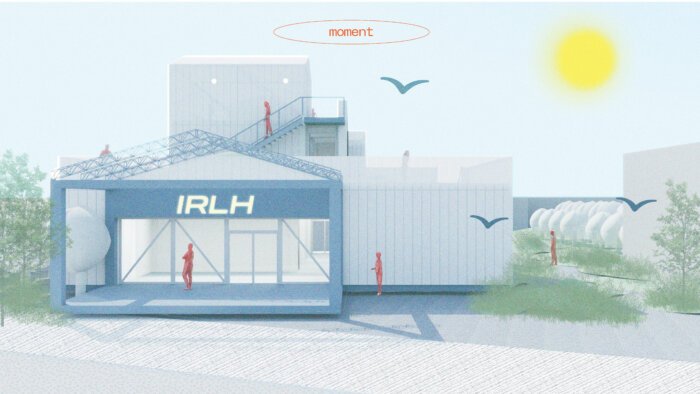
Pavilion of Culture është një institucion kuratorial i ri me qendër në Kiev, Ukrainë, që punon në kryqëzimin e artit pamor bashkëkohor, muzikës së re dhe arkitekturës. Pavijoni është një hapësirë për eksperimente artistike, projekte kërkimore dhe ngjarje publike. Selia institucionale — Pavilion 13 Coal — u ndërtua në vitin 1967 në Qendrën e Ekspozitave VDNG në Kiev si hapësirë ekspozuese për arritjet e industrisë së qymyrit në RS të Ukrainës. Arkitektura e tij përbëhej fillimisht nga një sallë e madhe ekspozitash për ekspozita të përhershme, një sallë kinemaje dhe një korridor që lidhte pjesën mbi tokë me një minierë të riprodhuar nën tokë. Projektet e Pavilionit të Kulturës bazohen në parimin e eksperimentimit ndërdisiplinor. Që nga viti 2022, boshti i kërkimeve tona është përqendruar tek gjendja e mbrojtjes, një zhvendosje e pashmangshme e diktuar nga lufta. Ky interes u materializua përmes disa projekteve: Checkpoint Protected Lands, një instalacion i përkohshëm në Bienalen e Arkitekturës së Tbilisit; Before the Future, Pavijoni i Ukrainës në Ekspozitën Ndërkombëtare të Arkitekturës, La Biennale di Venezia, 2023; dhe numri i parë i revistës Epipolar.
Pavilion of Culture strehon Mala Chytalna, një bibliotekë për arkitekturën dhe artet pamore, e hapur në bashkëpunim të ngushtë me studion arkitekturore ФОРМА. Koleksioni i Mala Chytalna përfshin periodikë profesionalë arkitekturorë, botime akademike, katalogë ekspozitash, libra për planifikimin urban, projektimin e peizazhit dhe botime të pavarura. Ndër botuesit që gjenden në koleksion janë NAI010, Spector, MIT Press, El Croquis, Rizzolli, San Rocco, OASE, etj.
EN/
Maria Noschenko is a researcher and curator based in Kyiv, Ukraine. She is currently part of the architectural office ФОРМА and serves as an editor at Epipolar, a periodical magazine on architecture. Since 2024, she has also worked as a program coordinator and curator at the Pavilion of Culture. Maria holds a bachelor’s degree in Cultural Studies from the National University of Kyiv-Mohyla Academy. In her individual practice, she explores digital humanities, visual culture, and terrorism studies, conducting performance lectures and interdisciplinary research that integrates artistic methods with academic inquiry. In 2024, she co-curated the video exhibition Average Peace Enjoyer with artist Maksym Khodak. The project explored the complex nature of peace formulas, extending beyond the mere cessation of hostilities. The exhibited works reflected on the imagery of the Balkan wars — particularly in Bosnia and Herzegovina — and sought to bring these lived experiences into dialogue with the context of Ukraine.
Pavilion of Culture is a young curatorial institution based in Kyiv, Ukraine, that works at the intersection of contemporary visual art, new music, and architecture. The pavilion is the space for artistic experiments, research projects and public events. The institutional venue – Pavilion 13 Coal – was built in 1967, at the Exhibition Centre VDNG in Kyiv, as the exhibition space for promoting the achievements of the coal industry of the Ukrainian SSR. Its architecture originally consisted of a large exhibition hall used for permanent exhibitions, a cinema hall and a hall connecting the above-ground part with an underground replica of the mine. Pavilion of Culture projects are based on the principle of cross-disciplinary experimentation. Since 2022, the core of our research has revolved around the state of defence, a self-explanatory shift driven by the war. This interest was realised through a series of projects: Checkpoint Protected Lands, a temporary installation created as part of the Tbilisi Architecture Biennial; Before the Future, Ukrainian Pavilion at 18th International Architecture Exhibition – La Biennale di Venezia, 2023; and the debut issue of Epipolarmagazine.
Pavilion of Culture hosts Mala Chytalna – an architectural and visual arts library, launched in close cooperation with the ФОРМА architectural office. Mala Chytalna collection includes professional architectural periodicals, academic publications, exhibition catalogues, books on urban planning, landscape design, and independent publications. The library’s collection includes such publishers as NAI010, Spector, MIT Press, El Croquis, Rizzolli, San Rocco, OASE, etc.

AL/
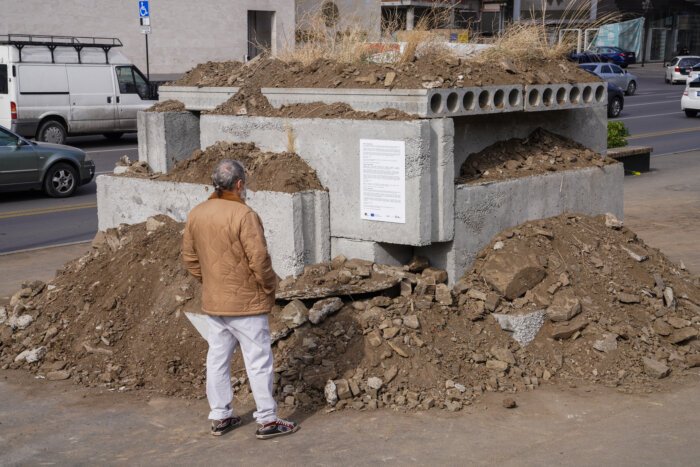
Iryna Miroshnykova është arkitekte dhe hulumtuese e zhvillimit urban me bazë në Kiev, Ukrainë. Ajo është drejtoreshë dhe bashkëthemeluese e Pavilionit të Kulturës, një institucion ndërdisiplinor. Gjithashtu, Iryna është partnere në studion arkitekturore ФОРМА, puna e së cilës fokusohet në strategjitë e zhvillimit hapësinor, masterplanet, programet e rinovimit, si dhe në projektimin e ndërfaqeve, instalacioneve dhe ekspozitave. Në vitin 2023, bashkëthemeluesit e ФОРМА, Iryna Miroshnykova dhe Oleksii Petrov, ishin bashkëkuratorë të Pavilionit të Ukrainës në Bienalen e Arkitekturës në Venecia, duke paraqitur mbi tridhjetë pjesëmarrës nga fusha e arkitekturës, artit, sociologjisë, ekologjisë, politikës dhe antropologjisë, me një qasje të re mbi kuptimin e strukturave mbrojtëse. Aktualisht, Iryna po punon për doktoraturën në Fakultetin e Arkitekturës dhe Planifikimit Hapësinor në Universitetin Teknik të Vjenës, ku studion tiparet socio-ekonomike dhe planifikuese të qyteteve monofunksionale të Ukrainës.
Pavilion of Culture është një institucion kuratorial i ri me qendër në Kiev, Ukrainë, që punon në kryqëzimin e artit pamor bashkëkohor, muzikës së re dhe arkitekturës. Pavijoni është një hapësirë për eksperimente artistike, projekte kërkimore dhe ngjarje publike. Selia institucionale — Pavilion 13 Coal — u ndërtua në vitin 1967 në Qendrën e Ekspozitave VDNG në Kiev si hapësirë ekspozuese për arritjet e industrisë së qymyrit në RS të Ukrainës. Arkitektura e tij përbëhej fillimisht nga një sallë e madhe ekspozitash për ekspozita të përhershme, një sallë kinemaje dhe një korridor që lidhte pjesën mbi tokë me një minierë të riprodhuar nën tokë. Projektet e Pavilionit të Kulturës bazohen në parimin e eksperimentimit ndërdisiplinor. Që nga viti 2022, boshti i kërkimeve tona është përqendruar tek gjendja e mbrojtjes, një zhvendosje e pashmangshme e diktuar nga lufta. Ky interes u materializua përmes disa projekteve: Checkpoint Protected Lands, një instalacion i përkohshëm në Bienalen e Arkitekturës së Tbilisit; Before the Future, Pavijoni i Ukrainës në Ekspozitën Ndërkombëtare të Arkitekturës, La Biennale di Venezia, 2023; dhe numri i parë i revistës Epipolar.
Pavilion of Culture strehon Mala Chytalna, një bibliotekë për arkitekturën dhe artet pamore, e hapur në bashkëpunim të ngushtë me studion arkitekturore ФОРМА. Koleksioni i Mala Chytalna përfshin periodikë profesionalë arkitekturorë, botime akademike, katalogë ekspozitash, libra për planifikimin urban, projektimin e peizazhit dhe botime të pavarura. Ndër botuesit që gjenden në koleksion janë NAI010, Spector, MIT Press, El Croquis, Rizzolli, San Rocco, OASE, etj.
EN/
Iryna Miroshnykova is an architect and urban development researcher, based in Kyiv, Ukraine.Iryna is the director and co-founder of the Pavilion of Culture, a cross-disciplinary institution. She is also a partner at the architectural office ФОРМА, whose work is focused on spatial development strategies, masterplanning, renovation programs, as well as interface, installation, and exhibition design. In 2023, ФОРМА co-founders Iryna Miroshnykova and Oleksii Petrov co-curated Ukrainian Pavilion at the Architectural Biennale in Venezia, presenting over thirty participants from the fields of architecture, art, sociology, ecology, politics and anthropology, presenting a changed understatement of protective structures. Currently working on her PhD thesis at Vienna Technical University’s Faculty of Architecture and Spatial Planning, exploring the socio-economic and planning features of Ukrainian monofunctional cities.
Pavilion of Culture is a young curatorial institution based in Kyiv, Ukraine, that works at the intersection of contemporary visual art, new music, and architecture. The pavilion is the space for artistic experiments, research projects and public events. The institutional venue – Pavilion 13 Coal – was built in 1967, at the Exhibition Centre VDNG in Kyiv, as the exhibition space for promoting the achievements of the coal industry of the Ukrainian SSR. Its architecture originally consisted of a large exhibition hall used for permanent exhibitions, a cinema hall and a hall connecting the above-ground part with an underground replica of the mine. Pavilion of Culture projects are based on the principle of cross-disciplinary experimentation. Since 2022, the core of our research has revolved around the state of defence, a self-explanatory shift driven by the war. This interest was realised through a series of projects: Checkpoint Protected Lands, a temporary installation created as part of the Tbilisi Architecture Biennial; Before the Future, Ukrainian Pavilion at 18th International Architecture Exhibition – La Biennale di Venezia, 2023; and the debut issue of Epipolarmagazine.
AL/
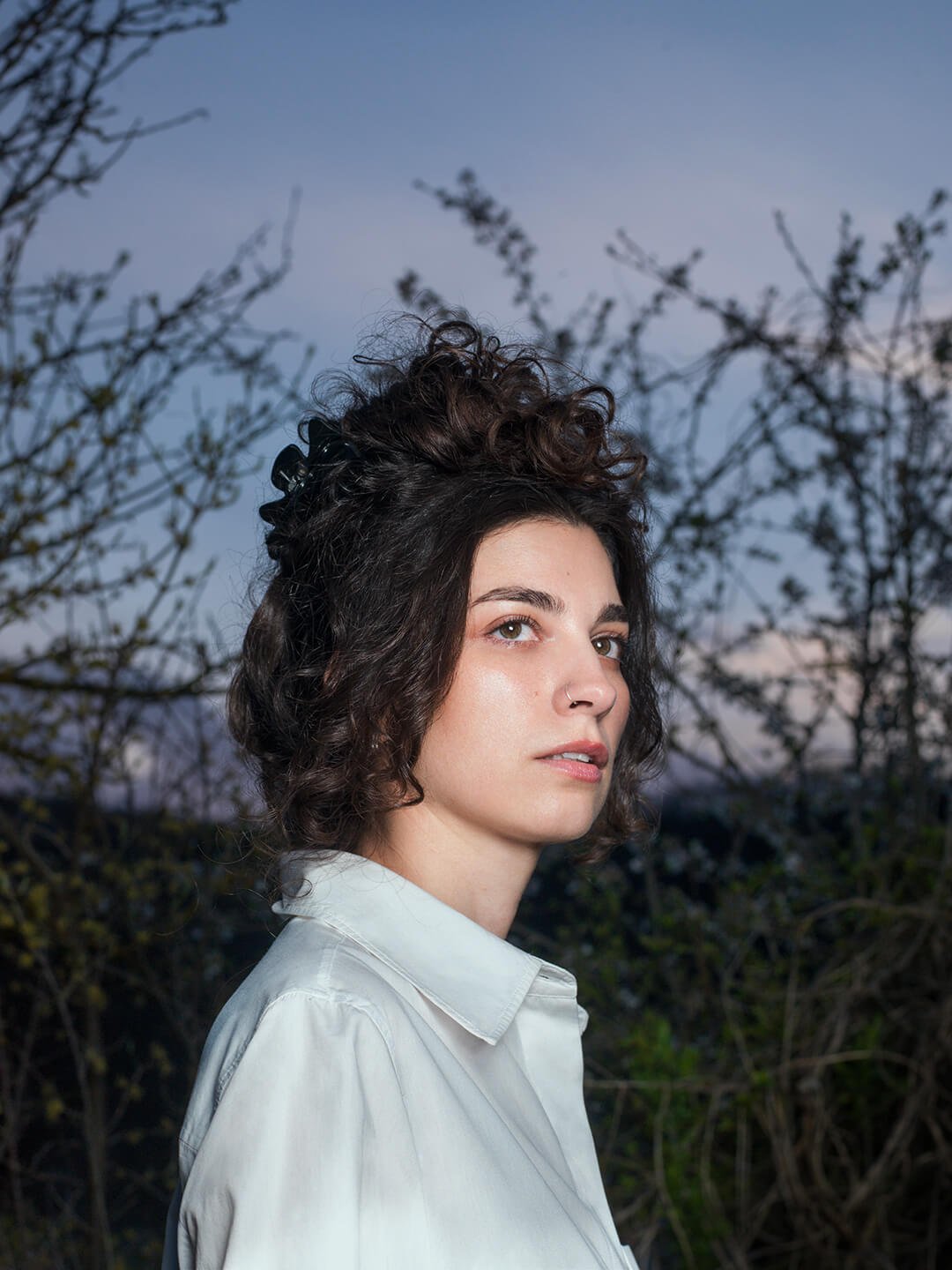
Erzë Dinarama është arkitekte, dizajnere ndërdisiplinore dhe hulumtuese që punon në ndërthurjen e urbanizmit, peizazhit dhe ekologjisë, duke adresuar sfidat mjedisore përmes qasjeve eksperimentale, hapësinore, shkencore dhe të bazuara në dizajn. Ajo ka ligjëruar në Politecnico di Milano, ETH Zurich, Politecnico di Torino dhe Domus Academy, si dhe ka bashkëpunuar me Elisa Cattaneo, Carlo Ratti Associati dhe Manifesta Foundation. Erza ka studiuar arkitekturë, urbanizëm dhe peizazh në Politecnico di Milano, UC Berkeley dhe ETH Zurich. Aktualisht është artiste-rezidente në projektin S+T+ARTS4WaterII brenda programit STARTS të BE-së dhe përfaqëson Kosovën si ekspozuese dhe kuratore në Ekspozitën e 19-të Ndërkombëtare të Arkitekturës – La Biennale di Venezia.
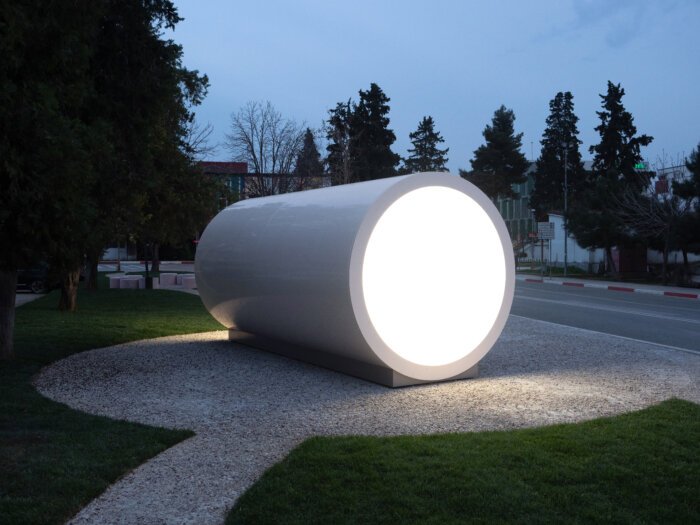
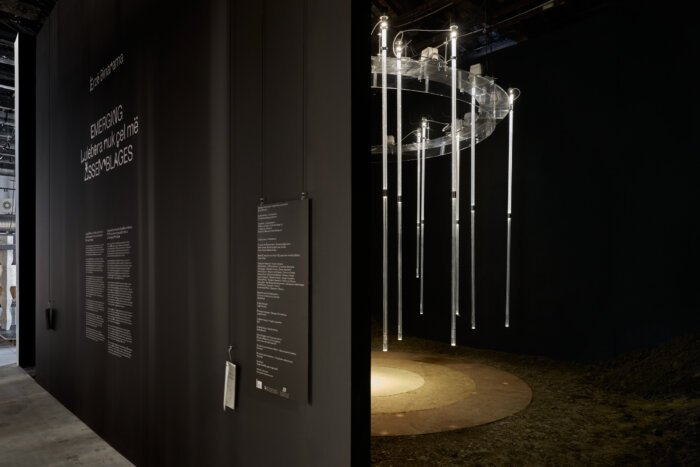
Pavijoni i Republikës së Kosovës në Ekspozitën e 19-të Ndërkombëtare të Arkitekturës – La Biennale di Venezia, me titull Emerging Assemblages: Navigating Shifting Ecologies, shqyrton ndërprerjen e marrëdhënieve të rrënjosura ekologjike dhe sistemeve të njohurive të mishëruara nën presionin klimatik, si dhe format e të kuptuarit që lindin në hapësirat liminale të pasigurisë. Ai fokusohet në prishjen e sinjaleve të ndërlidhjes shenjave mbi të cilat fermerët dhe komunitetet janë mbështetur historikisht për të ndjerë kohën, motin dhe shëndetin e tokës dhe çorientimin që krijohet kur këto shenja nuk përputhen më me ritmet klimatike. Përmes kërkimeve në terren me fermerë të Kosovës, gjurmohet një peizazh në tranzicion traditat bujqësore përballen me realitete të reja klimatike, sinjalet ekologjike të njohura bëhen të pasigurta, sistemet e dijes sfidohen dhe riformohen. Ndërkohë që kulturat bujqësore të kahershme, si gruri dhe fasulet, vështirësohen, kultura të reja si kivi dhe fiqtë marrin rrënjë, duke zbuluar njëkohësisht brishtësinë dhe përshtatshmërinë e dijes mjedisore të vendosur.
Në zemër të pavijonit, një kalendar relacional kap ritmet hiper-lokale dhe të paqëndrueshme të peizazhit bujqësor të Kosovës përmes një sekuence aromash të përkthyera. Çdo aromë është distiluar nga përshkrimet shqisore të fermerëve mbi pikat e stresit në ciklin bujqësor, duke rikrijuar në mënyrë alkimike përvoja që përndryshe janë të paarritshme në distanca kohore dhe kulturore.
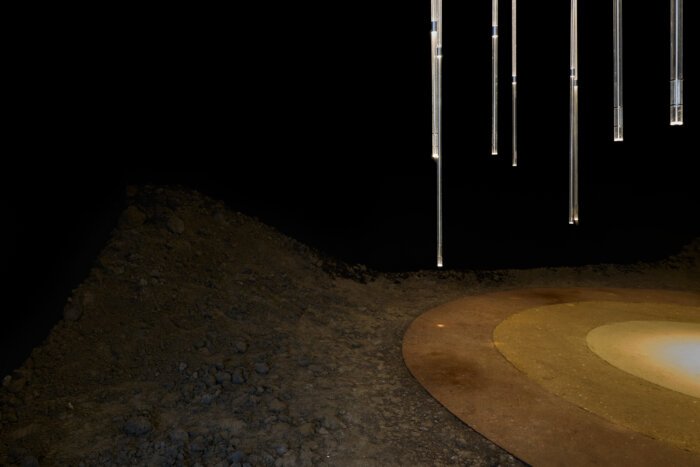
Këto aroma ndërthuren me peizazhin e gjallë aromatik të dyshemesë së pavijonit: një prerje gjeologjike me shtresë toke të errët, pjellore dhe shtresë më të lehtë, të pasur me minerale, të transportuar nga fushat bujqësore të Kosovës. Më shumë se një sipërfaqe, kjo tokë vepron si arkiv ekologjik dhe një pjesëmarrëse aktive, duke shtuar fjalorin e saj aromatik në përbërjen shqisore të këtij kalendari. Së bashku, këto elemente formojnë një koreografi të ndërlikuar: aroma që lindin nga përvojat e treguara të çarjes ekologjike, që bashkohen me frymëmarrjet e vazhdueshme të tokës së gjallë.
Emerging Assemblages na fton të rishqyrtojmë mënyrat tona të perceptimit ekologjik jo si vëzhgues të largët, por si pjesëmarrës të përfshirë në një botë të paqëndrueshme dhe bashkëformuese.
EN/
Erzë Dinarama is an architect, interdisciplinary designer, and researcher working at the intersection of urbanism, landscape, and ecology, addressing environmental challenges through experimental, spatial, scientific, and design-based approaches. She has taught at Politecnico di Milano, ETH Zurich, Politecnico di Torino, and Domus Academy, and has collaborated with Elisa Cattaneo, Carlo Ratti Associati, and the Manifesta Foundation. Erzë studied architecture, urbanism, and landscape at Politecnico di Milano, UC Berkeley, and ETH Zurich. She is currently an artist-in-residence in the S+T+ARTS 4WaterII project within the EU STARTS program and represents Kosovo as exhibitor and curator at the 19th International Architecture Exhibition – La Biennale di Venezia.
The Pavilion of the Republic of Kosovo at the 19th International Architecture Exhibition – La Biennale di Venezia, titled Emerging Assemblages: Navigating Shifting Ecologies, examines the disruption of rooted ecological relationships and embodied knowledge systems under climate pressure, and the forms of sense-making that emerge in liminal spaces of uncertainty. It focuses on the disruption of relational cues, the signs farmers and communities have historically relied upon to sense time, weather, and soil health and the disorientation produced when these cues no longer align with climatic rhythms. Through fieldwork with Kosovo farmers, it traces a landscape in transition agricultural traditions encountering new climatic realities, familiar ecological cues becoming unreliable, knowledge systems challenged and reinvented. As longstanding crops like wheat and beans struggle, new crops like kiwi and figs take root, exposing both the fragility and adaptability of situated environmental knowledge.
At the heart of the pavilion, a relational calendar captures the hyperlocal, unstable rhythms of Kosovo’s changing agricultural landscape through a sequence of translated smells. Each smell was distilled from farmers’ sensory descriptions of stress points in the agricultural cycle, alchemically recreating experiences otherwise inaccessible across temporal and cultural distance.
These smells mingle with the living smellscape of the pavilion floor: a geological section of dark, fertile topsoil and lighter, mineral-rich earth transported from Kosovo’s agricultural plains. More than mere surface, this soil acts as both ecological archive and active participant, contributing its own aromatic vocabulary to the sensory assemblage of this calendar. Together, these elements form a complex choreography: smells that emerge from narrated experiences of ecological rupture merging with the continuous exhalations of living soil.
Emerging Assemblages invites us to rethink our modes of ecological perception not as distant observers, but as implicated participants in an unstable, co-constituted world.