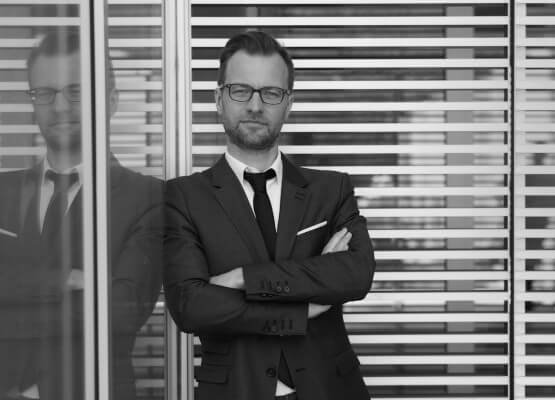
Martino Stierli is The Philip Johnson Chief Curator of Architecture and Design at The Museum of Modern Art, a role he assumed in March 2015. Mr. Stierli oversees the wide-ranging program of special exhibitions, installations, and acquisitions of the Department of Architecture and Design.
As the Swiss National Science Foundation Professor at the University of Zurich’s Institute of Art History, Mr. Stierli focused his research on architecture and media. His project The Architecture of Hedonism: Three Villas in the Island of Capri was included in the 14th Architecture Biennale in Venice. He has organized and co-curated exhibitions on a variety of topics, including the international traveling exhibition Las Vegas Studio: Images from the Archives of Robert Venturi and Denise Scott Brown (2008–14).
Mr. Stierli’s first monograph, Las Vegas in the Rearview Mirror: The City in Theory, Photography, and Film, was published in 2010. He also authored a book on Robert Venturi’s two-year tenure at the American Academy in Rome in the mid-1950s and has published essays on topics including Mies van der Rohe’s use of photomontage, the relationship between Dadaism and avant-garde architectural montage, modern architecture and urbanism in Brazil, Rem Koolhaas’s Delirious New York, and urban photography in Edward Ruscha’s books. He has written extensively on contemporary architectural practice, including the work of Herzog & de Meuron, the recent global boom in high-rise buildings, and the architecture of Johnston Marklee. His scholarship has been recognized with a number of prizes, among them the ETH Medal of Distinction for Outstanding Research (2008), the Theodor Fischer Prize by the Zentralinstitut für Kunstgeschichte, Munich (2008), and the 2011 Swiss Art Award for Architectural Criticism. In 2012, Mr. Stierli was a fellow at the Getty Research Institute in Los Angeles.
Mr. Stierli has taught at various Swiss universities, including the universities of Zurich and Basel as well as ETH Zurich. He studied art and architectural history, German, and comparative literature at the University of Zurich, where he received his MA in 2003. From 2003 to 2007, he was part of the graduate program Urban Forms—Conditions and Consequences at ETH Zurich, from which he received a PhD in 2008.
AL /
Martino Stierli është kurator për Arkitekturë dhe Dizajn në Muzeun e Artit Modern në New York (MOMA), një rol që ai mori në mars të vitit 2015. Z. Stierli mbikëqyrë programin e gjerë të ekspozitave të veçanta, instalimeve dhe blerjeve të Departamentit të Arkitekturës dhe Dizajnit.
Si profesor i Fondacionit Kombëtar Zvicran për Shkencë në Institutin e Historisë së Artit në Universitetin e Zvicrës, Z. Stierli u përqendrua në studimet e tij mbi arkitekturën dhe median. Projekti i tij Arkitektura e Hedonizmit: Tre Villat në ishullin Capri (The Architecture of Hedonism: Three Villas in the Island of Capri) është përfshirë në Bienalen e 14të të Arkitekturës në Venecia. Ai ka organizuar dhe bashkë-kuruar ekspozita me tema të ndryshme, duke përfshirë ekspozitën ndërkombëtare të udhëtimit Las Vegas Studio: Imazhe nga Arkivat e Robert Venturi dhe Denise Scott Brown (2008-14) (Las Vegas Studio: Images from the Archives of Robert Venturi and Denise Scott Brown).
Monografia e parë e Z. Stierli, Las Vegas në Retrovizore: Qyteti në Teori, Fotografi dhe Film (Las Vegas in the Rearview Mirror: The City in Theory, Photography, and Film), u botua në vitin 2010. Ai gjithashtu shkroi një libër mbi qëndrimin dy-vjeçar të Robert Venturi në Akademinë Amerikane në Romë në mes të viteve të 50-ta dhe ka botuar ese mbi tema të ndryshme duke përfshirë përdorimin e fotomontazhës nga Mies van der Rohe, lidhjet në mes montazhës arkitektonike Dadaiste dhe avant-garde, arkitekturën moderne dhe urbanizmin në Brazil, Rem Koolhaas në New York, si dhe fotografitë urbane në librat e Edward Ruscha. Ai ka shkruar gjerësisht në praktikën e arkitekturës bashkëkohore, duke përfshirë punën e Herzog & de Meuron, gjallërimin global në rritjen e ndërtesave të larta dhe arkitekturën e Johnston Marklee. Bursa e tij u njoh me një numër të madh të çmimeve, në mesin e tyre Medaljen ETH Medal of Distinction for Outstanding Research (2008), the Theodor Fischer Prize nga Zentralinstitut für Kunstgeschichte, Munich (2008) dhe 2011 Swiss Art Award for Architectural Criticism. Në vitin 2012, Z. Stierli ishte studiues në Institutin e Kërkimeve Getty në Los Angeles.
Z. Stierli ka dhënë mësim në universitete të ndryshme të Zvicrës, duke përfshirë edhe universitetet e Cyrihut dhe Bazelit, si dhe ETH Zurich. Ai studioi historinë e artit dhe arkitekturës, gjuhën gjermane dhe letërsinë e krahasueshme në Universitetin e Cyrihut, ku mori MA e tij në vitin 2003. Nga viti 2003 deri 2007, ai ishte pjesë e programit të të diplomuarëve Urban Forms – Kushtet dhe Pasojat në ETH Zurich, nga i cila ai mori titullin doktor në vitin 2008.


Bernard Khoury studied architecture at the Rhode Island school of Design (BFA 1990 / B.Arch 1991). He received a Masters in Architectural Studies from Harvard University (M.Arch 1993). In 2001, he was awarded by the municipality of Rome the honorable mention of the Borromini Prize given to architects under fourty years of age. In 2004, he was awarded the Architecture + Award. He is the co-founder of the Arab Center for Architecture. He was a visiting professor at the Ecole Polytechnique Fédérale de Lausanne, L’Ecole Spéciale d’Architecture in Paris and the American University of Beirut. He has lectured and exhibited his work in prestigious academic institutions in Europe and the U.S. including a solo show of his work given by the International Forum for Contemporary Architecture at the Aedes gallery in Berlin (2003) and numerous group shows including YOUprison at the Fondazione Sandretto Re Rebaudengo in Turin (2008) and Spazio at the opening show of the MAXXI museum in Rome (2010). He was the co-curator and architect of the Kingdom of Bahrain’s national pavilion at the Venice Biennale’s 14th International Architecture Exhibition in 2014. His work has been extensively published by the professional press. Khoury started an independent practice in 1993. Over the past fifteen years, his office has developed an international reputation and a significant diverse portfolio of projects both locally and abroad.
AL /
Bernard Khoury ka studiuar për arkitekturë në shkollën e Dizajnit Rhode Island (BFA 1990/B.Arch 1991). Studimet e larta arkitektonike i kreu në Universitetin Harvard (M.Arch 1993). Në vitin 2001, ai u nderua nga bashkia e Romës për çmimin Borromini për arkitektët nën moshën dyzetë vjeçare. Në vitin 2004, ai u nderua me çmimin Architecture + Award. Ai është bashkë-themeluesi i Qendrës Arabe për Arkitekturë. Ishte profesor vizitor në Ecole Polytechnique Fédérale de Lausanne, në L’Ecole Spéciale d’Architecture në Paris dhe në American University of Beirut. Ka ligjëruar dhe ka ekspozuar punët e tij në institucione prestigjioze akademike në Evropë dhe SHBA, duke përfshirë një shfaqje solo të punës së tij të dhënë nga Forumi Ndërkombëtar për Arkitekturën Bashkëkohore në galerinë Aedes në Berlin (2003), si dhe shfaqeje grupi të shumta duke përfshirë YOUprison në Fondazione Sandretto re Rebaudengo në Torino (2008) dhe SPAZIO në hapjen e shfaqjes në muzeun Maxxi në Romë (2010). Ai ishte bashkë-kurator dhe arkitekt i pavilionit kombëtar të Mbretërisë së Bahreinitit në Ekspozitën e 14-të të Bienales Internacionale të Arkitekturës në Venecia në vitin 2014. Puna e tij është botuar gjerësisht nga shtypi profesional. Khoury ka filluar një praktikë të pavarur në vitin 1993. Gjatë pesëmbëdhjetë viteve të fundit, zyra e tij ka zhvilluar një reputacion ndërkombëtar dhe një portofolio të rëndësishme të projekteve të ndryshme, si në nivel lokal ashtu edhe jashtë vendit.


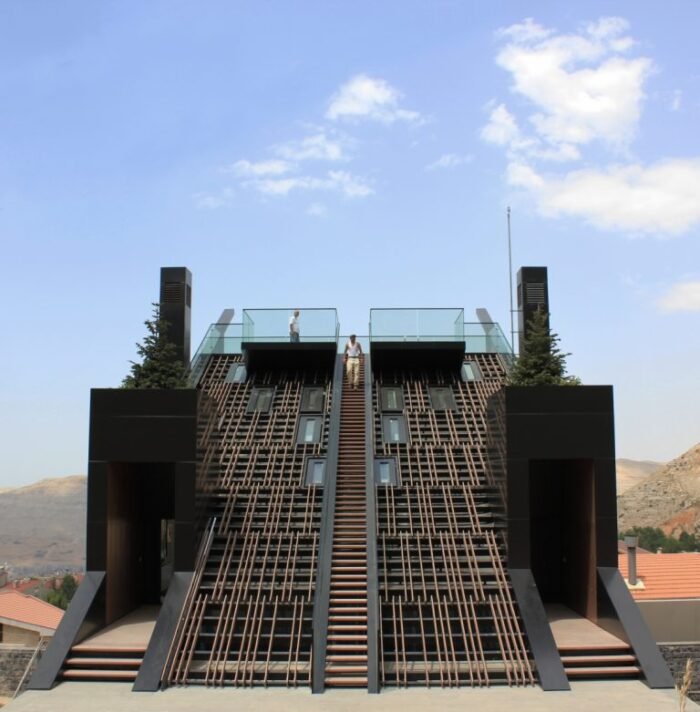

Jan Knikker (Bad Soden Ts 1972) joined MVRDV in 2008, starting his career as a journalist he then shaped the public image of OMA for nearly a decade. As Partner at MVRDV, Jan leads the Business Development and Public Relations efforts, forming a client oriented, fast and strategic department which now also includes a strong visualisation team. He has been working on many publications and exhibitions, one of his latest publications was the book MVRDV Buildings. MVRDV is rapidly expanding into new markets and focuses on solutions for global issues through its architecture and urbanism. Jan also lectures internationally, writes for various publications, ran an online design magazine called Dafne, and was from 2007 to 2011 member of the International Projects commission of the Netherlands Architecture Funds.
MVRDV
Was set up in Rotterdam (the Netherlands) in 1993 by Winy Maas, Jacob van Rijs and Nathalie de Vries. MVRDV engages globally in providing solutions to contemporary architectural and urban issues. A research based and highly collaborative design method engages experts from all fields, clients and stakeholders in the creative process. The results are exemplary and outspoken buildings, urban plans, studies and objects, which enable our cities and landscapes to develop towards a better future.
The products of MVRDV’s unique approach to design vary, ranging from buildings of all types and sizes, to urban plans and visions, numerous publications, installations and exhibitions. Built projects include the Netherlands Pavilion for the World EXPO 2000 in Hannover; the Market Hall, a combination of housing and retail in Rotterdam; the Pushed Slab, a sustainable office building in Paris’ first eco-district; Flight Forum, an innovative business park in Eindhoven; the Silodam Housing complex in Amsterdam; the Matsudai Cultural Centre in Japan; the Unterföhring office campus near Munich; the Lloyd Hotel in Amsterdam; the Ypenburg housing and urban plan in The Hague; the Didden Village rooftop housing extension in Rotterdam; the music centre De Effenaar in Eindhoven; the Gyre boutique shopping center in Tokyo; a public library in Spijkenisse; an international bank headquarters in Oslo, Norway; and the iconic Mirador and Celosia housing in Madrid.
Current projects include a variety of housing projects in the Netherlands, France, China, India, and other countries; a community centre in Copenhagen and a cultural complex in Roskilde, Denmark, a public art depot in Rotterdam, the transformation of a mixed use building in central Paris, an office complex in Shanghai, and a commercial centre in Beijing, and the renovation of an office building in Hong Kong. MVRDV is also working on large scale urban masterplans in Bordeaux and Caen, France and the masterplan for an eco-city in Logroño, Spain. Larger scale visions for the future of greater Paris, greater Oslo, and the doubling in size of the Dutch new town Almere are also in development.
The work of MVRDV is exhibited and published worldwide and has received numerous international awards. One hundred forty architects, designers and other staff develop projects in a multi-disciplinary, collaborative design process which involves rigorous technical and creative investigation. MVRDV works with BIM and has official in-house BREEAM and LEED assessors. Together with Delft University of Technology, MVRDV runs The Why Factory, an independent think tank and research institute providing an agenda for architecture and urbanism by envisioning the city of the future.
AL /
Jan Knikker (Bad Soden Ts 1972) ju bashkua MVRDV-së vitin 2008. Duke filluar karrierën e tij si gazetar Jan më vonë formoi imazhin publik të OMA për gati një dekadë. Si partner në MVRDV, Jan drejton përpjekjet e Zhvillimit të Biznesit dhe marrëdhënieve me publikun, duke formuar një departament të orientuar në klient, të shpejtë dhe strategjik e cila tani përfshin gjithashtu një ekip të fortë vizual. Ai ka punuar në shumë në publikime dhe ekspozita, një nga botimet e tij të fundit ishte libri MVRDV Buildings. MVRDV është zgjeruar me shpejtësi në tregje të reja dhe fokusohet në zgjidhjet për çështjet globale përmes arkitekturën dhe urbanizmin e saj. Jan gjithashtu ligjeron ne vende të ndryshme ne Holandë dhe jasht saj, shkruan për botime të ndryshme, zhvilloi një revistë online për dizajn të quajtur Dafne, dhe që nga viti 2007 deri në 2011, ishte anëtar i komisionit të Projekteve Ndërkombëtare të Fondeve Arkitektonike të Holandës.
MVRDV
U themelua në Roterdam (Holandë) në vitin 1993 nga Winy Maas, Jacob van Rijs dhe Nathalie de Vries. MVRDV angazhohet globalisht në ofrimin e zgjidhjeve për çështjet bashkëkohore arkitektonike dhe urbane. Me bazë hulumtuese dhe metodologji dizajni shumë bashkëpunuese duke angazhuar ekspertë nga të gjitha fushat, klientët dhe palët e interesuara në procesin krijues. Rezultatet janë shembullor objekte, plane urbanistike, studime dhe objekte, të cilat mundësojnë qytetet tona dhe peizazhe të zhvillohen drejt një të ardhme më të mirë.
Produktet e kësaj qasjeje ndryshojnë dhe variojnë nga ndërtesat e të gjitha llojeve dhe madhësive, deri tek planet urbane, botimet apo instalimet. Projektet e realizuara përfshijnë pavijon holandez për Expo Botërore 2000 në Hannover, ‘Forum Flight’ një park inovativ i biznesit në Eindhoven, kompleksi banesor Silodam në Amsterdam, Matsudai Qendra Kulturore në Japoni, kampus Unterföhring afër Munihut, Hotel Lloyd në Amsterdam, një plan urban dhe banimi në Ypenburg të Hagës, një rooftop – zgjatja trakti në fshatin DIDDEN në Roterdam, Qendra kulturore De Effenaar në Eindhoven, Boutique ndërtesa Gyre në Tokio, Veldhovens Maxima Qendra Mjekësore dhe objektet ikonike Mirador dhe Celosia në Madrid.
Projektet aktuale përfshijnë projekte të ndryshme të banesave në Holandë, Spanja, Kina, Franca, Mbretërinë e Bashkuar, SHBA, Indi, Kore dhe vende të tjera, një bankë me seli në Oslo, Norvegji, një bibliotekë publike për Spijkenisse, Holandë, një treg qendror për Rotterdam, një shesh kulturë në Nanjing, Kinë, plane urbane në shkallë të madhe që përfshijnë një plan për një eko-qytet në Logroño, Spanja, një vizion urban për dyfishimin në madhësin të Almera në Holandë dhe Grand Paris, vizion i një post-Kyoto Parizi të madh.
MVRDV ka botuar një seleksion të projekteve të saj në FARMAX (1998), e ndjekur nga Metacity / Datatown (1999), Kosta Iberica (2000), Regionmaker (2002), 5 Minutes City (2003), km3 (2005), dhe në kohët e fundit Spacefighter (2007) dhe Skycar City (2007). MVRDV merret me çështjet globale ekologjike në studime në shkallë të mëdha të tilla si “Pig City” si dhe zgjidhje pragmatike për zonat e shkatërruara të New Orleans.
Puna e MVRDV është shfaqur dhe publikuar në gjithë botë të gjerë dhe ka pranuar çmime ndërkombëtare. Mbi 60 arkitektë, projektues dhe anëtarë të stafit krijojnë projekte në një proces multi-disiplinor bashkëpunues të projektimit dhe aplikojnë standardet më të larta teknologjike.
Së bashku me Delft University of Technology MVRDV udheheq “Why Factory”, një think-tank i pavarur dhe institut hulumtimi i cili ofron argument për arkitekturën dhe urbanizmin duke parashikuar qytetin e të ardhmen.


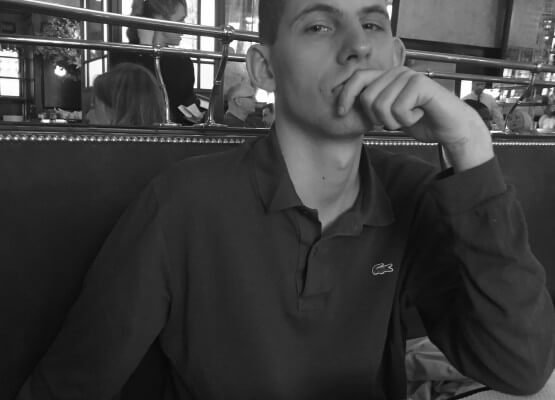
Jack Self (1987) is an architect and writer based in London. He is Director of the REAL foundation and curator of the 2016 British Pavilion at the Venice Biennale.
His writing has appeared in Architectural Design, The Guardian, New Philosopher, 032c and Dezeen, as well as elsewhere (see press). Jack’s first book was Real Estates: Life Without Debt (Bedford Press 2014), now in its second printing. He is Contributing Editor for the Architectural Review, where he has worked in a number of capacities since 2009. As an editor for Strelka Press (2011-13) he developed the first print-on-demand books on architecture.
Jack founded Fulcrum, a free weekly “pursuing architecture and the third millennium.” Fulcrum remains the world’s most read student publication about architecture and has been widely exhibited – most notably at the 2012 Venice Biennale. Jack holds a Bachelors of Architecture from the University of New South Wales (Sydney 2007), a Diploma of Architecture from the Architectural Association (2014) and a Master’s in Philosophy from the University of London (2012). His MA dissertation examined the morality of neoliberal economic theory.
As a designer he has worked for several international firms, amongst them Ateliers Jean Nouvel in Paris and London (2007-09). His clients and partners include developers, housing trusts and public institutions (most recently the British Council and the Victoria & Albert Museum).
AL /
Jack Self (1987) është një arkitekt dhe shkrimtar me bazë në Londër. Ai është drejtori i fondacionit REAL dhe bashkë-kurator i Pavilionit Britanik në Bienalen e Venecieas 2016.
Shkrimet e tij janë shfaqur në revistat Architectural Design, The Guardian, New Philosopher, 032c dhe Dezeen. Libri i parë i Jack ishte Real Estates: Life Without Debt (Bedford Press 2014). Është editor/redaktor kontribues në Architectural Review, ku ai ka punuar në një numër të madh të vëllimeve që nga viti 2009. Si redaktor i Strelka Press (2011-13) ai ka botuar librat e parë ‘print-on-demand’ (shtyp-me-kërkesë) në arkitekturë. Jack themeloi Fulcrum një revistë javore “që ndjek arkitekturën dhe milenumin e tretë”. Fulcrum mbetet botimi më i lexuar në botë nga studentët në lidhje me arkitekturën dhe ka qenë i ekspozuar gjerësisht – duke përfshirë edhe Bienalen e Venecias 2012.
Jack kreu studimet Bachelor në Arkitekturë në Universitetin e New South Wales (Sydney 2007), ka një diplomë të Arkitekturës nga Architectural Association (2014) dhe një Master në Filozofi nga Universiteti i Londrës (2012). Disertacioni i tij MA shqyrton moralin e teorisë neoliberale ekonomike. Si një dizajner ka punuar për disa firma ndërkombëtare, në mesin e tyre edhe Ateliers Jean Nouvel në Paris dhe Londër (2007-09). Klientët dhe partnerët e tij përfshijnë zhvilluesit, trustet e banimit dhe institucionet publike (më së fundi edhe Këshillin Britanik dhe Muzeun Victoria & Albert).

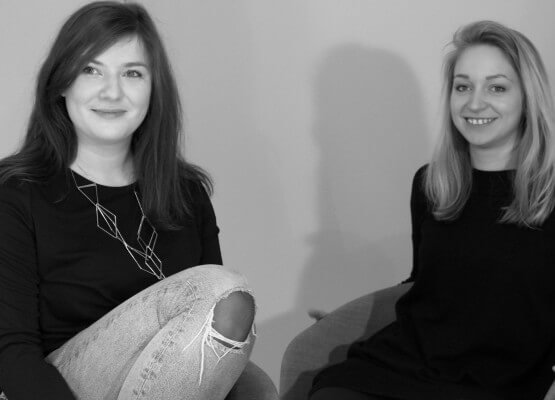
BLOK was founded by Vienna based architects Nela Kadic, Vera Seriakov & Markus Tomaselli. We have been working together since 2010 – still at university back then. Our professional relationship – as well as our great friendship – felt unbelievably natural and rewarding just from the beginning. We developed an own way of creating images in order to convey our thoughts and visions to a wider public.
Most of their projects deal with the introduction of socially and economically sustainable processes. They try to find strategic and structural urbanistic solutions in order to gain a more balanced and fair society. Their goal is to convince their audience by offering structural, objective explanations and argumentations to sensitive, existential topics and urban phenomena.
AL /
BLOK u themelua nga tre arkitekt me bazë në Vienë Nela Kadic, Vera Seriakov dhe Markus Tomaselli.
Arkitektet janë duke punuar së bashku që nga viti 2010 – qysh nga universiteti.
Kanë zhvilluar një mënyrë të vecant për krijimin e imazheve në mënyrë që të përcjellin mendimet dhe vizionet e tyre për publikun e gjerë.
Shumica e projekteve të tyre kanë të bëjnë me futjen e proceseve të qëndrueshme shoqërore dhe ekonomike. Kanë qëllim që të zbulojnë strategji dhe struktura urbanistike për të fituar një shoqëri më të balancuar dhe të drejtë. Qëllimi është për të bindur audiencën duke ofruar struktura, shpjegime objektive dhe argumente për të ndjeshme, tema ekzistenciale dhe fenomenet urbane.


Vladimir Kulić is an architectural historian, curator, and critic, and an Associate Professor of architectural history and theory at Florida Atlantic University.
Together with Maroje Mrduljaš he authored and directed the international research project Unfinished Modernisations-Between Utopia and Pragmatism: Architecture and Urban Planning in the Former Yugoslavia and the Successor States (2010-12).
He is the author of Modernism In-Between: The Mediatory Architectures of Socialist Yugoslavia (with Maroje Mrduljaš and Wolfgang Thaler, 2012) and editor of Sanctioning Modernism: Architecture and the Making of Postwar Identities (with Monica Penick and Timothy Parker, 2014). He is the past winner the Bruno Zevi Award for a Critical/Historical Essay in Architecture, two grants from the Graham Foundation, and the ACLS/SSRC/NEH International and Area Studies Fellowship.
In 2015, he was the Ailsa Mellon Bruce Senior Visiting Scholar at the Center for Advanced Study in the Visual Arts (CASVA) at the National Gallery of Art, Washington, D.C. and the Axel Springer Fellow of the American Academy in Berlin.
AL /
Vladimir Kulić është një historian, kurator dhe kritik i arkitekturës, dhe një profesor i asociuar i historisë dhe teorisë së arkitekturës në Universitetin Atlantik Florida. Së bashku me Maroje Mrduljas menaxhuan projektin hulumtues ndërkombëtar Unfinished Modernisations – Between Utopia and Pragmatism: Architecture and Urban Planning in the Former Yugoslavia and the Successor States (2010-12) (Modernizimi i Papërfunduar – në mes Utopisë dhe Pragmatizmit: Arkitektura dhe Planifikimi Urban në ish-Jugosllavi dhe në Shtetet Pasardhëse).
Ai është autori i Modernism In-Between: The Mediatory Architectures of Socialist Yugoslavia (Modernizmi i Ndërmjetëm: Arkitekturat ndërmjetësuese të Jugosllavisë Socialiste) (me Maroje Mrduljas dhe Wolfgang Thaler, 2012) dhe redaktor i Sanctioning Modernism: Architecture and the Making of Postwar Identities (Sanksionimet e Modernizmit: Arkitektura dhe Formimi i Identiteteve të Pasluftës) me Monica Penick dhe Timothy Parker, 2014. Ai është fituesi i kaluar i Çmimit Bruno Zevi për një ese kritike/historike të Arkitekturës, i dy granteve nga Fondacioni Graham, si dhe i ACLS/SSRC/NEH International dhe Area Studies Fellowship.
Në vitin 2015, ai ishte Ailsa Mellon Bruce Senior Visiting Scholar në Qendrën për Studimeve të larta në Artet Pamore (CASVA) në Galerinë Kombëtare të Arteve, Washington dhe Axel Springer anëtar i Akademisë Amerikane në Berlin.


Tomaž Pipan is a scholar and a practitioner. He finished his 5-year postgraduate course in architecture on the Faculty for architecture in Ljubljana. He continued his education in England where in 2008 he successfully completed his master’s degree of Landscape Urbanism at the Architectural Association, School of Architecture in London. His design research project combining industry and agriculture was awarded honours degree. In 2014 he received his PhD from London Metropolitan University. His doctoral thesis “Capacity of Industry for Civic Culture” was highly praised. It is an in-depth study of industrial models of urbanization in China and the West and their possibility for urban culture and sustainable development.
From 2011 he was actively teaching and leading EU research projects at the Technical University Berlin on the Smart City topic. He crucially contributed to two Climate KIC, Horizon 2020 projects. Sustainable City Districts was a 3-year project partnering with the most ambitious district level developments in Europe to foster integration and coevolution of city resources and projects to achieve »factor 4« sustainability improvements. Under the Managing City Systems Climate KIC project he was leading a team of programmers and geoscientists to develop the BrainBox, a real-time modelling, decision-making and management tool for city planners and developers.
Tomaž is scholarly active through participations on international conferences and through publishing articles. His work is featured in international peer reviewed journals such as Planum as well as in books by distinguished publishers such as Princeton Architectural Press. His research focuses on the meaning of technology in the contemporary city and how the city is shaped through the use of this technology.
He has over eight years of experiences in teaching. He was teaching in Ljubljana, London at the London Metropolitan University and at the Technical University Berlin. He teaches urban design based on diagramming of processes. Methodology addresses the city as a cohabitation of multitude of processes. In addition, he lectures on philosophy of urban order and the meaning of the city.
Tomaž worked at established practices such as worldly acclaimed landscape office Gustafson and Porter in London and CHORA London. He worked on urban scale projects ranging from Singapore, China, UAE to Europe. He was a key designer for a winning competition project Valencia Parque Central in Spain that is currently in building phase.


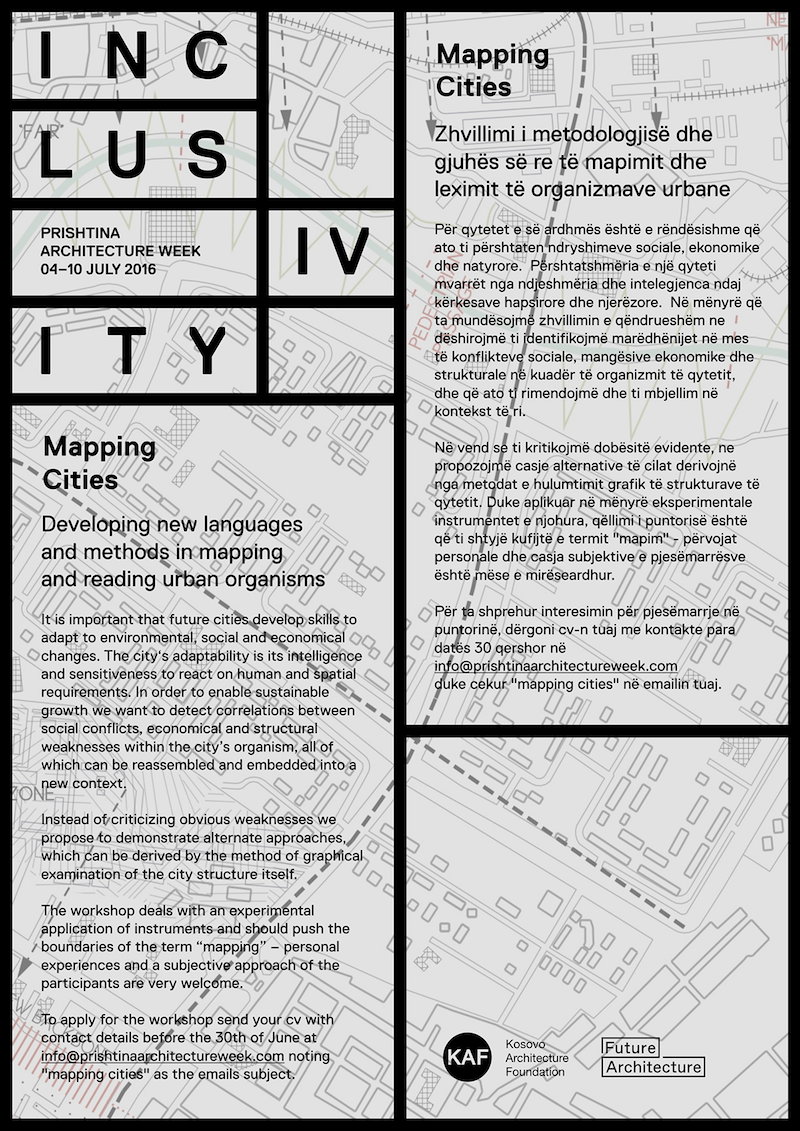
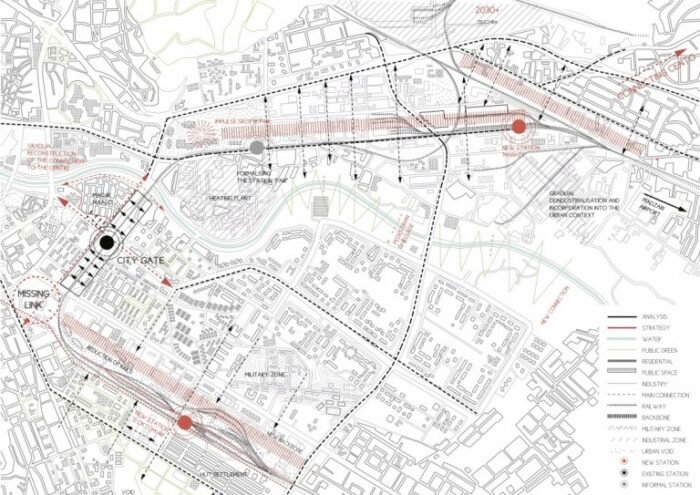
Mapping Cities – Developing new languages and methods in mapping and reading urban organisms.
It is important that future cities develop skills to adapt to environmental, social and economical changes. The city‘s adaptability is its intelligence and sensitiveness to react on human and spatial requirements. In order to enable sustainable growth we want to detect correlations between social conflicts, economical and structural weaknesses within the city’s organism, all of which can be reassembled and embedded into a new context.
Instead of criticizing obvious weaknesses we propose to demonstrate alternate approaches, which can be derived by the method of graphical examination of the city structure itself.
The workshop deals with an experimental application of instruments and should push the boundaries of the term “mapping” – personal experiences and a subjective approach of the participants are very welcome.
To apply for the workshop send your cv with contact details before the 30th of June at info@prishtinaarchitectureweek.com noting “mapping cities” as the emails subject.
This workshop is tutored by Nela Kadic and Vera Seriakov a 2016 Future Architecture selected Creative.
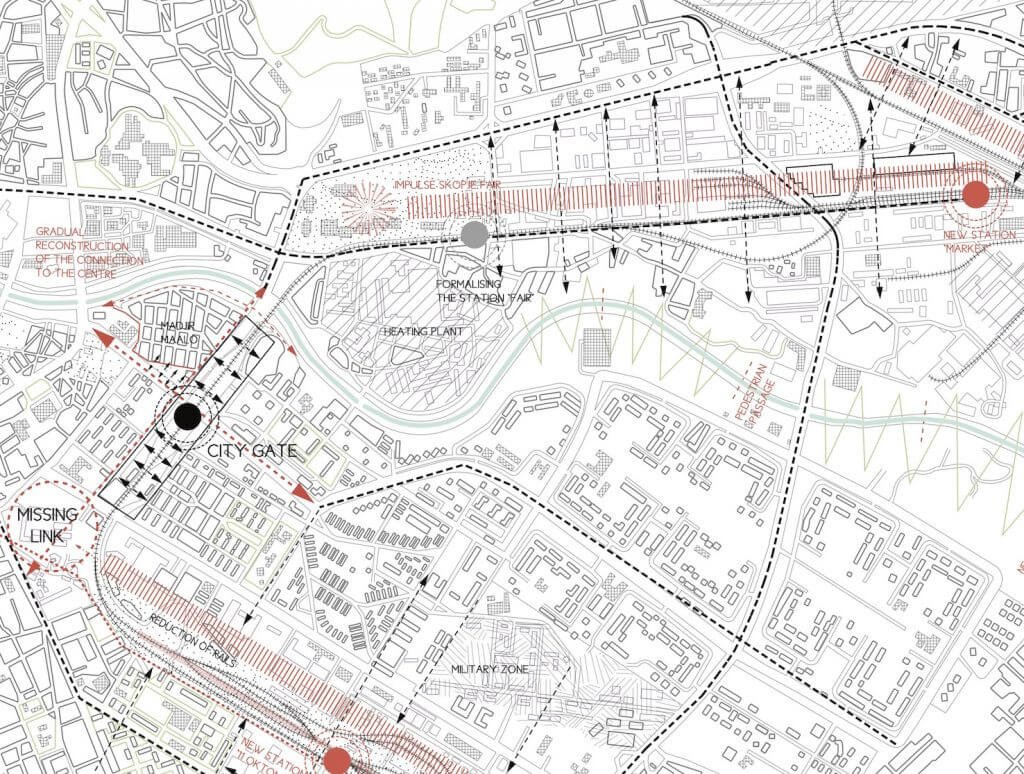
Skopje Proposal by Blok.City
MMapping Cities – Zhvillimi i metodologjisë dhe gjuhës së re të mapimit dhe leximit të organizmave urbane
Për qytetet e së ardhmës është e rëndësishme që ato ti përshtaten ndryshimeve sociale, ekonomike dhe natyrore. Përshtatshmëria e një qyteti mvarrët nga ndjeshmëria dhe intelegjenca ndaj kërkesave hapsirore dhe njerëzore. Në mënyrë që ta mundësojmë zhvillimin e qëndrueshëm ne dëshirojmë ti identifikojmë marëdhënijet në mes të konflikteve sociale, mangësive ekonomike dhe strukturale në kuadër të organizmit të qytetit, dhe që ato ti rimendojmë dhe ti mbjellim në kontekst të ri.
Në vend se ti kritikojmë dobësitë evidente, ne propozojmë casje alternative të cilat derivojnë nga metodat e hulumtimit grafik të strukturave të qytetit.
Duke aplikuar në mënyrë eksperimentale instrumentet e njohura, qëllimi i puntorisë është që ti shtyjë kufijtë e termit “mapim” – përvojat personale dhe casja subjektive e pjesëmarrësve është mëse e mirëseardhur.
Për ta shprehur interesimin për pjesëmarrje në puntorinë, dërgoni cv-n tuaj me kontakte para datës 30 qershor në info@prishtinaarchitectureweek.com duke cekur “mapping cities” në emailin tuaj.
Kjo puntori do udhëhiqen nga Nela Kadic dhe Vera Seriakov që janë Future Architecture selected Creatives për vitin 2016.

The BioPPAW intensive workshop will focus in the production of Bio-plastic material that could be used in construction and industrial design. The workshop headed by Esen Gokce Ozdamar, will utilize materials found in agricultural waste and apart from generating three dimensional material forms, the workshop will research and discuss the possible uses of the material and its effect on waste management.
The workshop is open to students of architecture, civil engineering, design, as well as to young professionals in related fields. To apply for the workshop send us a short cv with your contacts to info@prishtinaarchitectureweek.com before June 29th 2016 by noting “BioPPAW” on your email subject line. The participants number is limited, priority will be given to first applicants.

Process and Public Outreach
Project for Public Spaces engages the community and other stakeholders in the planning process through focus groups, interviews, pop-up activities, and Placemaking workshops. The Placemaking approach is a way to ensure that public spaces achieve the goals that matter the most to the community in the long term, namely: broad approval and support; the creation of a dynamic social gathering place; direct engagement and participation by community members and volunteers; a thoughtful plan for programming and management; and a feasible project that works on any scale. This process breaks down barriers among interest groups and can forge a shared understanding that respects the interests of all parties.
PPS conducts public community workshops and Placemaking evaluations to obtain the input of a broad representation of community members and stakeholders. Anyone in the community who may be involved in the future of a place is welcome to attend, including local residents, city officials and planners, business owners and employees, etc. Attendees typically represent both the public and private sectors. Leaders from nearby neighborhoods are also be invited to witness the process.
A great destination has at least 10 places within it, each with 10 things to do.
The Power of 10 is a concept that illuminates the importance of having a high volume of interrelated uses and spaces across a number of important scales. PPS believes that it is not enough to have just one great destination in an urban park — a number of them are needed to create a truly lively place. It is also not enough to have only one top-notch park in a neighborhood or city district – a series of destinations, a network of great places, big and small are needed where residents and tourists alike would become immersed in the life of the city for days at a time. It is not enough to have one great district or neighborhood in a city, or even a few —people all over town should have close-to-home opportunities to take pleasure in public life. At yet another scale, it is not enough to have a single vibrant city in a region—a collection of interesting cities and towns have to offer a high quality of life in a metropolitan area. That’s the sort of goal that needs to be set for all cities if we are serious about enhancing and revitalizing urban life.
Any great place itself needs to offer at least 10 things to do or 10 reasons to be there. These could include a place to sit, a playground to play in, a garden to enjoy, art to touch, music to hear, food to eat, history to experience, and people to meet. Ideally, some of these activities are unique to that particular location and are interesting enough to keep people coming back. The local people who use the space most regularly are the best source of ideas for what uses will work best.
The three day intensive workshop led by Elena Madison PPS deputy director is open to representatives of Planning Departments in the Prishtina, Fushe Kosova, Ferizaj, Gjakova and Gjilan Municipalities, as well as to volunteers of the Office for Urban Regeneration and ProActive groups and Coordinators of the Housing and Space project. All interested should send their short cv to info@prishtinaarchitectureweek.com by 2nd of July, mentioning PPS workshop in the email subject. The workshop will be held from the 4th till the 6th of July at Innovation Center Kosovo.
This workshop is conducted by the “right to social housing and public space” project implemented by the Kosovo Architecture Foundation and supported by the Swiss Cooperation office in Kosovo project DSC managed by the Kosovar Civil Society Foundation.
