
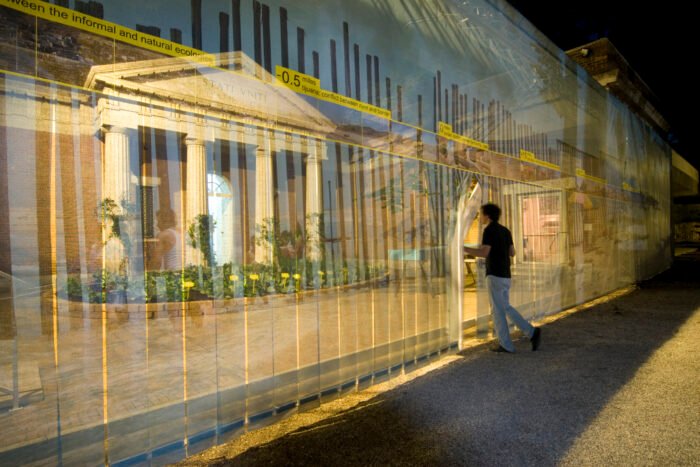
Figueres, 1968. Architect for the ETSA of Barcelona. Visiting Visual Artist at the ZKM in Karlsruhe, with a scholarship from Krtu, Generalitat de Catalunya. Associate Set Designer for Bob Wilson: “Danton’s Tod”, Salzburger Festspiele and “Time Rocker”, Thalia Theater, Hamburg, 1995-2000. Director of Cloud 9 studio since 1997. Co-Director of Metapolis 2000-2003. Art Media Consultant for the Mercat de les Flors 2002. Curator of the Spanish Pavilion of the V Biennal of Architecture in Sao Paulo, 2003. Co-Chairman of the 3rd Industrial Revolution Architects Roundtable committee with Jeremy Rifkin , since 2007. President of the Jury of Prix Luxembourgeois d’Architecture 2007. Luxembourg 2007 Founder of Energy Attack with Jon Idiakez, 2007. Tutor Master in Architectural Design Unit at Barlett School of Architecture, London, since 2010 Unit Master of Diploma Unit 18 at Architectura Assosiation, London, since 2010 Co-Chairman of the Figueres Creative City, 2010 His works belongs to the collections of MoMa (New York), FRAC Centre Collection (Orleans) and Centre Pompidou (Paris). Enric Ruiz-Geli performs lectures and mantain colaboration with a map of Labs as Angewandte, Architectural Association School, UCLA, Passadena Art Center, CITA, RMIT, MIT, Bartlett, Buckminster Fuller Institute, ETHZ, IE School of Architecture, entre otros. Cloud 9 agenda is to look at Pilot Projects in Global Warming Scenarios. Enric Ruiz-Geli has created patents as master pieces of Digital Fabrication. His building Media-ICT has been awarded as Best Building of the World by WAF 2011. It is a Net Zero Building built at very competitive construction cost. Cloud 9 has signed Media-ICT Knowledge Transfer Contracts in Taipei, OECS, Qatar, Kuwait and Moscow. Co-Chairman of Science Advisory Comitee of Tecnalia, 2011. Co-Chairman International Committee of Experts at Iakov Chernikhov Prize, Moscow, 2012.
Awards
Winner WAN 21 for 21 Award, 2012 WAF Award, World’s Best Building of the Year with Media-ICT, 2011 Special mention at FAD Awards with Media-ICT, 2011 Investigation Prize at XI Spanish Biennal of Architecture and Urbanism with Media-ICT, 2011 First prize, Pavilion in Ecole Especiale de Paris, 2011 Nominee to the Brit Awards Design Museum in London to Media-ICT, 2011 Nominee to the City of Barcelona Award to Media-ICT, 2011 Nominee to the Prize for Contemporary Architecture Mies van der Rohe Award to Media-ICT, 2011 Nominee to the Iakov Chernikhov Prize with Media-ICT, Moscu 2011
Steel Design Awards ECCS, European Convention For Constructional Steelwork, to Media-ICT, 2009. Finalist 10th Spanish Architecture and Urbanism Biennial, to Villa Nurbs, 2009 Prize Sustanable Enviroment Proyects from the Generalitat de Catalunya, to Cloud 9’s ETFE technology, 2009
Honor Mention at the VII Premios Cerámica de Arquitectura y Interiorismo ASCER to Villa Nurbs, 2009 Subvention of the Entitat Autònoma de Difusió Cultural (Generalitat de Catalunya) to the project “From physical to digital realms through Cad Cam Processes” to Villa Nurbs, 2008 Prize Corian Dupont to Villa Nurbs, 2008
R+D Award ARCHITECT at SciArc Los Angeles, to “artificial leaf” Prestige Forest Hotel, 2008 Finalist Premios Saloni, to Evru Cave, 2008 First Prize, International Contest for the New York Aquarium at Coney Island, Wild Life.
Conservation Society, 2007 Prize Quatrium best Architect by Grupo Via, 2007 Prize Chicago Ateneum, 2007 Prize Emergente Tendencias, El Mundo, 2007 FirstPrize International Contest Media-ICT, el Consorci de la Zona Franca and 22@, 2006 Finalist to Villa Bio at the VI edition of the “Saloni” Architecture Prize, 2006 Finalist to Morphorest at the FAD Architecture and Design Prize, 2005 Prize of the Association of Catalan Art Critics (ACCA) to the Galería Joan Prats for best exhibition Evru 2003 First Prize, International Contest for the Aviary Marine Zoo of Barcelona, 2000 First Prize, Ephemeral Architecture Aguirre Newman IAZ, 1998 First Prize, International 2G Contest, for the New Mies van der Rohe Foundation, 1998
website: ruiz-geli.com


Aaron Levy is the Executive Director and Chief Curator of Slought, an organization that works with artists, communities, and institutions worldwide to develop cultural projects that encourage inclusiveness, advocacy, and the sharing of knowledge. In Philadelphia, current projects include Mixplace Studio (2012-), an urban education model that responds to the crisis in community participation and political representation with PennDesign, People’s Emergency Center (PEC) and neighborhood youth researchers. Recent projects in the world include Into the Open, the official U.S. representation at La Biennale di Venezia (2008-2009), which highlighted the work of architects working collaboratively to invigorate community activism and environmental policy, and the Perpetual Peace Project (2010-), which explores prospects for reducing geopolitical conflict in partnership with the European Union National Institutes of Culture, the International Peace Institute, and other institutions. Activities in the cloud include Fairytale Project (2011-), a global translation initiative that revisits Ai Weiwei’s 2007 project with 1001 participants from mainland China. Levy is a Senior Lecturer in the Departments of English and the History of Art at the University of Pennsylvania, and received his PhD from the School of Fine Art, History of Art, and Cultural Studies at the University of Leeds. His research encompasses the cultural politics of memory and display, and non-governmental politics both nationally and internationally. He has authored or edited over 20 books and multimedia publications, including Cities Without Citizens (2002); Helene Cixous’ Ex-cities (2007); Evasions of Power (2011); On the Living History of the Venice Architecture Biennale (2010); Braco Dimitrijevic’s Tractatus Post-Historicus (2009); John Cage’s How to Get Started (2010); and Utterly Precarious: A master class with Carolee Schneemann (2013).
AL /
Aaron Levy është Drejtor Ekzekutiv dhe Kuratori kryesor i Slought, një organizatë që punon me artistë, komunitete dhe institucione në mbarë botën për të zhvilluar projekte kulturore që nxisin gjithëpërfshirjen, advokimin, si dhe shkëmbimin e njohurive. Në Filadelfia, projektet aktuale përfshijnë Mixplace Studio (2012 -), një model arsimimi urban që i përgjigjet krizës në pjesëmarrjen e komunitetit dhe përfaqësimit politik me PennDesign, Qendrën Popullore të Emergjencave (PEC) dhe studiues rinore të lagjeve. Projektet e fundit në botë përfshijnë Into the Open, përfaqësimi zyrtar amerikan në La Bienales di Venezia (2008-2009), i cili theksoi punën e arkitektëve që punojnë bashkërisht për ta frymëzuar aktivizmin e komunitetit dhe politikat mjedisore, si dhe projekti Perpetual Peace Project (2010 -), i cili shqyrton mundësitë për reduktimin e konflikteve gjeopolitike në partneritet me Institutin Kombëtare Kulturor të Bashkimit Evropian, Institutin Ndërkombëtar për Paqe, dhe institucioneve tjera. Aktivitetet në re përfshijnë Projektin Fairytale (2011 -), një nismë globale që riviziton projektin e 2007-tës të Ai Weiwei me 1001 pjesëmarrës nga Kina kontinentale. Levy është një Ligjërues i lartë në departamentet e gjuhës angleze dhe Historisë së Artit në Universitetin e Pensilvanisë, dhe ka marrë doktoraturën e tij në Shkollën e Arteve të Bukura, historinë e artit, dhe studime kulturore në Universitetin e Leeds. Hulumtimi i tij përfshin politikën kulturore të memories dhe shfaqjes, dhe politikat jo-qeveritare kombëtare dhe ndërkombëtare. Ai është autor ose redaktues i mbi 20 libra dhe publikime multimediale, duke përfshirë Cities Without Citizens (2002); Helene Cixous’ Ex-cities (2007); Evasions of Power (2011); On the living history of the Venice Architecture Biennale (2010); Braco Dmitrijevic’s Tractatus Post-Historicus (2009); John Cage’s how to get started (2010); and Utterly Precarious: A master class with Carolee Schneemann (2013).


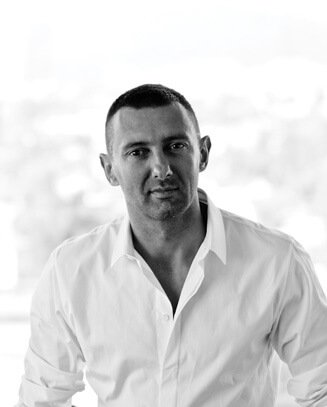
RIBA, Chartered Member, Int’l. Assoc. AIA) studied architecture at Vienna Technical University and graduated in 1992. He founded Tabanlıoğlu Architects in cooperation with Dr. Hayati Tabanlıoğlu in Istanbul in 1990. Besides his atelier program at Istanbul Bilgi University, he lectures at universities and various international platforms. As a jury member, in addition to his international contributions, such as at AIA and WAF, Mr. Tabanlioglu serves on the Master Jury for the 2013 Cycle of the Aga Khan Award for Architecture.
Tabanlıoğlu Architects
In 1990 Tabanlıoğlu Architects was established by Murat Tabanlıoğlu studied in collaboration with Dr. Hayati Tabanlıoğlu, Melkan Gürsel Tabanlıoğlu joined the group in 1995. Based in Istanbul with branches in Ankara and Dubai, office consists of more then 130 employees, operating in mainly Turkey, MENA and CIS Countries.
Searching for new efficiencies in terms of global and environmental needs and developments, the works comprise wide range of building types from housing, offices, mix-used and industrial projects to high-rises, such as Kanyon, Sapphire, Levent Loft, Sipopo Congress Center and Istanbul Modern.
Recent awards include International Architecture Award of Property Awards for Tripoli Congress Center in 2010 and Astana Arena in 2011 as Public Sector Winners; RIBA International Award in 2011 for Loft Gardens; 2012 ICSC European Shopping Centre Award for Marmara Forum; WAF 2012 Transport Category Winner Bodrum International Airport; and Cityscape Global 2012 Community & Culture Category Winner Astana Media Center. Yenikapi
Transfer Point and Archaeo Park Area project has been the winner of Big Urban Projects at 2013 Mipim AR Future Project Awards. Project for the New National Stadium, Japan International Design Competition was short-listed in November 2012. Murat Tabanlıoğlu and Melkan Gürsel Tabanlıoğlu received MEA- Middle East Architect Award, “Architect of the Year” in 2010.
AL /
Anëtar Provilegji në RIBA, Int’l. Assoc. AIA. Ka studijuar arkitekturën në Universitetin Teknik të Vjenës dhe u diplomua në vitin 1992. Themeloi Tabanlıoğlu Architects në bashkëpunim me Dr Hayati Tabanlıoğlu në Stamboll në vitin 1990. Përveç programit të tij në Universitetin Bilgi të Stambollit, ai ligjëron në universitetet dhe platformat e ndryshme ndërkombëtare. Si një anëtar i jurisë, përveç kontributin e tij ndërkombëtare, të tilla si në AIA dhe WAF, zt. Tabanlioglu shërben në Jurisë Master për ciklin e 2013 Çmimin Aga Khan për Arkitekturë.
Tabanlıoğlu Architects
Në vitin 1990 Architects Tabanlıoğlu u krijua nga Murat Tabanlıoğlu në bashkëpunim me Dr Hayati Tabanlıoğlu, Melkan Gürsel Tabanlıoğlu u bashkua me grupin në vitin 1995. Bazuar në Stamboll me degë në Ankara dhe Dubai, zyrë përbëhet nga më shumë se 130 punonjës, që veprojnë kryesisht në në Turqi, MENA dhe CIS shtetet.
Duke kërkuar për eficienca të reja në aspektin e nevojave globale dhe mjedisore, punimet përbëjnë gamë të gjerë të llojeve të ndërtimit nga objekte afariste, ato të banimit, hibride si dhe ato industriale, të tilla si Kanyon, Safir, Levent Loft, Sipopo Qendra Kongresi dhe Istambul Modern.
Shpërblimet e fundit përfshijnë Çmimin Ndërkombëtar të Arkitekturës së Property Awards për Tripoli Qendrën e Kongresit në vitin 2010 dhe Arena në Astanë në vitin 2011 si fitues në sektorin publik; RIBA Çmimin Ndërkombëtar në vitin 2011 për Loft Gardens; 2012 ICSC European Shopping Center Award për Marmara Forumin; WAF 2012 Kategoria e Transportit, Fitues: Aeroporti Ndërkombëtar në Bodrum dhe Cityscape Global Community 2012 Kategoria e Kulturës, Fitues Astana Media Center. Yenikapi Qendra Transferimi dhe Arkeologjije, Projekti i Zonës së Parkut Zona ishte fituesi i Projekteve të mëdha Urbane në Awards 2013 MIPIM AR Projektet e së Ardhmës. Projekti për stadiumin e ri kombëtar të Japonisë, ishte në zgjedhjën e ngushtë në Konkursin Ndërkombëtar në nëntor 2012. Murat Tabanlıoğlu dhe Melkan Gürsel Tabanlıoğlu gjithashtu u shpërblyen me MEA Middle-East Architecture Award “Architect of the Year” në vitin 2010.


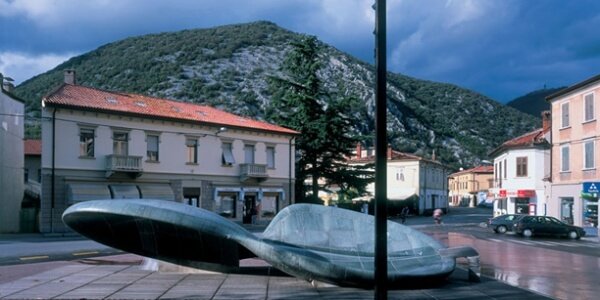
Graduated from the Faculty of Architecture in Ljubljana (1992) and continued his post graduate studies at the AA School of Architecture in London. In 1996 Jurij Sadar and him cofounded architectural office SADAR+VUGA. Over the past fifteen years it has focused on open, innovative and integral architectural design and urban planning. The office has been driven by a quest for quality, with a strong belief that forward-leaping architectural production contributes to our well-being, and generates a sensitive and responsive development of the physical context we live in, broadening our imagination and stimulating our senses.
He regularly lectures at architectural schools, conferences, and symposia in Slovenia and abroad. In 2003 he was a studio tutor at the Berlage Institute in Rotterdam. He was a visiting critic at AA London, the Bauhaus Kolleg in Dessau, the IAAC in Barcelona, the ETH in Zürich, the Universität für Angewandte Kunst Wien and the Academy of Visual Arts Vienna. He participated in two issues of AB architectural bulletin magazine as guest editor. He published numerous articles about current events in architecture and urban planning, in diverse publications.
Boštjan Vuga is currently guest professor at the Adip, TU in Berlin.
He received numerous awards for his work, including Platinum and Golden Pencile (2011 in 2009), Župančič award (2011), Interanational Architecture Award 2009, Trend Prize (2005), Eccs Steel Design Award (2003), Bauwelt Prize (2001). Piranesi Award (1999) and others.
Office Profile
Sadar + Vuga was founded by Jurij Sadar and Boštjan Vuga in Lju- bljana in 1996. Over the past decade and a half it has focused on open, innovative and integral architectural design and urban plan- ning.
The office has been driven by a quest for quality, with a strong be- lief that forward-leaping architectural production contributes to our well-being, and generates a sensitive and responsive development of the physical context we live in, broadening our imagination and stimulating our senses.
The portfolio of built work ranges from innovative town planning to public space sculpture, from interactive new public buildings to interventions within older existing structures.
The client base reflects the diversity of built and project experi- ence. Ranging from municipal councils and Central Government, encompassing national and private arts bodies and multinationals to the best developers in Slovenia and abroad.
SADAR + VUGA designs extended living areas in residential build- ings, guided by the culture and climate of place. SADAR + VUGA shapes interior environments that respond to very personal tastes and desires. Instead of simply creating objects and spaces for pre- formulated life-styles, Sadar + Vuga’s projects challenge our per- ception and trigger our new spatial experience.
Sadar + Vuga’s projects forego adhering to a homogeneus visual and formal language and style. Each of them is developed from precise interpretation of client’s contextual, programmatic and pragmatic constraints.
With the Formula New Ljubljana – a collection of their own projects and urban studies- the architects at Sadar + Vuga intervene in the political and decision-making process. They believe that architec- ture should not merely function as a design object, but also be a means to shape and change social space: they want to make us looka at the world in a different way, so that we can also act differ- ently in it.
“Our architectural production can be defined as: intentionally im- perfect and awkward, robust, and ambiguous, intentionally inco- herent and contradictory, where a single architectural project can be described as both monumental and informal at the same time.”
“We are especially interested in great modern socialist architecture from the 1960ies and 70ies form ex-Yugoslavia and other east Eu- ropean countries. We like a bold use of materials and colours , an expressive heaviness and robustness of its appearance. We like its ‘unfeasible’ formal play that reflects creativity of an architect and provide a strong point of identification and social reference at the same time.”
“Architect has a manifold role in the contemporary society. He is a conductor in an integral design process, he has to be a great com- municator, he is still injecting new impulses to the society, with its activity, he is contributing to the future development of the physical environment. And digital application on smart phones as well.”
AL /
Diplomuar në Fakultetin e Arkitekturës në Lubjanë (1992) dhe vazhdoi studimet e tij pasuniversitare në AA School of Architecture në Londër. Në vitin 1996 së bashku me Jurij Sadar formuan zyrën arkitektonike SADAR + VUGA. Gjatë pesëmbëdhjetë viteve të kaluara SADAR+VUGA është përqendruar në hartime të hapur, inovative dhe integrale arkitektonike dhe ato në planifikimin urban. Studioja ka qenë e shtyrë nga një kërkim për cilësinë, me një besim të fortë dhe vizionar në ate se prodhimi i arkitekturës kualitative kontribuon në mirëqenien tonë dhe gjeneron një zhvillim të ndjeshëm dhe të përgjegjshëm të kontekstit fizik në të cilin jetojmë, në zgjerimin e imagjinatës sonë dhe stimulimin e shqisave tona .
Ai ligjëron në shkollat arkitektonike, konferenca dhe simpoziumeve në Slloveni dhe jashtë vendit. Në vitin 2003 zt. Vuga u emërua si udhëheqës i studios në Institutin Berlage në Roterdam. Ai ishte një kritik vizitues në AA School në Londër, Bauhaus Kolleg në Dessau, IAAC në Barcelonë, ETH në Zyrih, tek Angewandte Universität für Kunst Wien dhe Akademisë së Arteve Visual Vjenë. Ai gjithashtu shërbeu në revistën AB Architectural Magazine si editor mysafir. Ai botoi artikuj të shumtë rreth ngjarjeve aktuale në arkitekturë dhe planifikim urban, në botimet e ndryshme botërore. Boštjan Vuga aktualisht është profesor mysafir në Adip, TU në Berlin.
Ai ka pranuar çmime të shumta për punën e tij, duke përfshirë Platinum dhe Golden pencile (2011 në 2009), Çmimi ZUPANCIC (2011), Çmimin interanational në Arkitekturë 2009, Trendi çmimin (2005), ECCS Steel Design Award (2003), Çmimin Bauwelt (2001). Piranesi Award (1999) e kështu me rradhë.
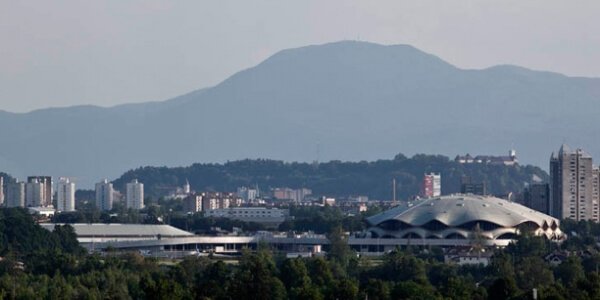
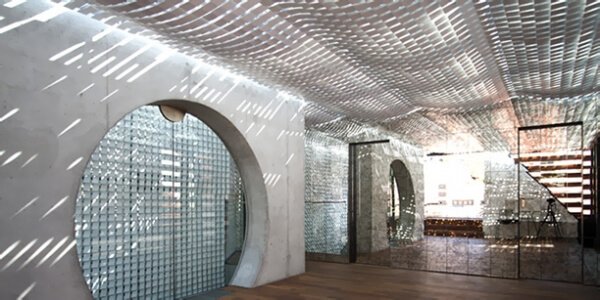

Bruno Campos (1970) is an Architect graduated at the Universidade Federal de Minas Gerais, UFMG (Belo Horizonte, 1989/1994), with M.A in Housing and Urbanism at the Architectural Association School of Architecture (London, 1997/1998). He has collaborated with various architects in Brazil and New York (including at Weiss/ Manfredi Architects) before establishing BCMF Architects in 2001, associated to Marcelo Fontes (1971) and Silvio Todeschi (1969), also graduated at UFMG. Since then, the studio has been designing a vast array of projects, varying both in typology and scale, especially large-scale public projects. The practice’s work has been widely exhibited and published in Brazil and abroad.
BCMF Architects was established in 2001 by partners Bruno Campos, Marcelo Fontes and Silvio Todeschi. Among the main projects of the studio, the Deodoro Sports Complex, built for the Rio 2007 Pan American Games and ready to be used in the 2016 Olympics, has won the Golden Medal at the 1st IAKS LAC Award in 2010 and the “Special Prize” in the IOC/IAKS 2011 Award in Cologne, Germany. In 2008/2009 BCMF was commissioned by the Brazilian Organizing Committee (COB) to develop the majority of the concept studies for the winning Rio 2016 candidature. In 2010-2012 the studio was responsible for the renovation of the Mineirão Stadium, in Belo Horizonte (MG), becoming the first Brazilian architectural practice to participate in the three major mega sports events that have been promising to transform the country: Pan 2007, Rio 2016 and 2014 World Cup.
AL /
Bruno Campos (1970) është një arkitekt i diplomuar në Federale Universidade de Minas Gerais, UFMG (Belo Horizonte, 1989/1994), me MA në Banim dhe Urbanizmit në Architectural Association School of Architecture (Londër, 1997/1998). Ai ka bashkëpunuar me arkitektë të ndryshëm në Brazil dhe Nju Jork (duke përfshirë Weiss / Manfredi Architects) para themelimit të BCMF Architects në vitin 2001, në partneritet me Marcelo Fontes (1971) dhe Silvio Todeschi (1969), dytë të diplomua në UFMG. Që atëherë, studio ka qenë dizajnuese e një rrjet të gjerë të projekteve të ndryshme si në tipologjisë ashtu edhe në shkallë, sidomos projekte të mëdha publike. Puna Praktika ka qenë e ekspozuar dhe e botuar gjërësisht në Brazil dhe jashtë vendit.
BCMF Architects është themeluar në vitin 2001 nga partnerët Bruno Campos, Marcelo Fontes dhe Silvio Todeschi. Ndër projektet kryesore të studios janë, Kompleksi Sportiv Deodoro, e ndërtuar për 2007 për Lojrat Pan Amerikane të mbajtura në Rio i cili do tëpërdoret edhe për Lojërat Olimpike 2016, ka fituar medaljen e artë në IAKS 1 LAC Awards në vitin 2010 dhe “Çmimi special” në IOC/IAKS Award 2011 në Këln, Gjermani. Në vitin 2008/2009 BCMF është autorizuar nga Komiteti Organizativ Brazilian për të zhvilluar shumicën e studimeve ideore për kandidaturën fituese të Rio 2016. Në 2010-2012 studioishte përgjegjëse për renovimin e Stadiumit Mineirão, në Belo Horizonte (MG), duke u bërë studioja e parë arkitektonike braziliane e cila ka marrë pjesë në tri ngjarjeve të mëdha mega sportive qëpremtojnë për ta transformuar vendin: Pan 2007 Rio 2016 dhe 2014 Kupa e Botës.


Anne Guiney is the Executive Director of the Institute for Urban Design, a think tank of urbanists that represented the United States at the 13th Annual Architecture Exhibition of the Venice Biennale with Spontaneous Interventions: Design Actions for the Common Good. The show, which celebrates small-scale projects initiated by architects, designers, artists, and everyday citizens that bring positive change to their neighborhoods and cities, received a special jury prize; it is the first time the American Pavilion has been honored in this way. The exhibition is now traveling in the U. S., and is currently installed in the Chicago Cultural Center and Millenium Park.
Spontaneous Interventions builds on the Institute’s work in connecting design and civic engagement: Guiney developed the innovative crowd sourced design project “By the City / For the City” as part of a new public festival, Urban Design Week, which launched in September 2011. This effort connected New Yorkers and their intimate knowledge of their neighborhoods with the problem-solving and imaginative abilities of architects, artists, and urban designers, and resulted in the book By the City / For the City: An Atlas of Possibility for the Future of New York.
Prior to joining the Institute, she was editor of the New York edition of The Architect’s Newspaper, and was part of the original team that launched the newspaper in 2003. She has also served as an editor at Architecture magazine and Metropolis, and has written widely on architecture and design for other publications, including Architect, ID, and Details.
Institute for Urban Design
The Institute for Urban Design works tirelessly to expand the public dialogue about progressive urban planning, development, and design. Since its founding in 1979, the Institute has been a central platform for debate among architects, planners, policy-makers, developers, academics, journalists, and urbanists. By representing the full range of stakeholder voices affected by urban development, we hope to advance the cause of quality in planning and urban design. Through a series of lectures, symposia, and publications, we work toward an environment in which everyone can advocate for a better, more vibrant and sustainable future for our cities.
In the last several years, the Institute has expanded its scope to civic engagement and activism, with a specific focus on empowering citizens to participate in the collaborative effort of city building. In September 2011, the Institute organized and hosted Urban Design Week, a festival that brought urban design into the public spotlight through a celebration of New York City’s exceptional urbanity. Over six days and 37 events, UDW connected New Yorkers with the fascinating and complex issues of the public realm. In conjunction with the festival, the Institute published By the City/For the City: An Atlas of Possibility for the Future of New York, a compendium of ideas for civic improvement submitted by hundreds of New Yorkers and designers from around the world.
Building on these ideas, the Institute created Spontaneous Interventions: Design Actions for the Common Good, an exhibition which documents projects initiated by American architects and designers aimed at bringing positive change to the public realm. The show was selected to represent the United States in the 13th Venice Architecture Biennale in fall 2012, and is currently installed in the Chicago Cultural Center and Millenium Park, in Chicago, IL.
AL /
Anne Guiney është Drejtoresha Ekzekutive e Institutit për Dizajnin Urban, një think-tank mbi urbanizmin që përfaqësoi Shtetet e Bashkuara në Ekspozitën e 13-të të Arkitekturës ne Bienalen e Venedikut me “Ndërhyrjet Spontane: Veprime të Dizajnit për të mirën e përbashkët”. Ekspozita, e cila festoi projektet të shkallëve të vogla të iniciuara nga arkitektë, dizajner, artistë, dhe qytetarë të përditshme që sjellin ndryshim pozitiv në lagjet dhe qytete e tyre, mori një çmim special të jurisë, kjo është hera e parë që pavijoni amerikan ka qenë i nderuar në këtë mënyrë .Ekspozita tani është duke udhëtuar në SHBA, dhe është instaluar aktualisht në Qendrën Kulturore në Chicago dhe Millenium Park.
Ndërhyrjet spontane bazohet në punën e Institutit që lidhet me projektimet dhe angazhimin qytetar: Guiney zhvilluar një projekt inovativ për burimin e qytetarëve “Nga Qyteti / Për Qytetin”, si pjesë e një festivali të ri publik, Java e Dizajnit Urban, i cili filloi në shtator 2011. Kjo përpjekje lidhi njujorkezët dhe njohuritë e tyre intime të lagjeve të tyre me aftësitë e zgjidhjes së problemeve dhe imagjinatën e arkitektëve, artistëve, dhe dezajnerëve urbanë, dhe rezultoi në librin “Nga Qyteti / Për Qyteti: Një Atlas i mundësisë për Ardhmërinë e Nju Jorkut”.
Para se t’i bashkohej Institutin, ajo ishte redaktore e edicionit Architect’s Newspaper të Nju Jorkut, dhe ishte pjesë e ekipit që nisi gazetën në vitin 2003. Ajo ka shërbyer edhe si redaktore në revistën Architecture Magazine dhe Metropolis, dhe ka shkruar gjerësisht mbi arkitekturën dhe dizajnin për botime të tjera, duke përfshirë edhe Architect, ID, dhe Details.
Instute për Dizajn Urban
Instituti për Dizajnin Urban punon pa pushim për zgjerimin e dialogut publik në lidhje me planifikimin urban, zhvillimin progresiv, dhe dizajnin. Që nga themelimi i saj në vitin 1979, Instituti ka qenë një platformë qendrore për debat në mesin e arkitektëtve, planifikuesve, hartuesve tInstute për Dizajnin Urban
Instituti për Dizajnin Urban punon pa pushim për zgjerimin e dialogut publik në lidhje me planifikimin urban, zhvillimin progresiv, dhe design. Që nga themelimi i saj në vitin 1979, Instituti ka qenë një platformë qendrore për debat në mesin e arkitektët, planifikuesit, hartuesve të politikave, zhvilluesve, akademikëve, gazetarëve dhe urbanistëve. Duke përfaqësuar gamën e plotë të zërave të palëve të interesuara dhe të prekura nga zhvillimi urban, ne shpresojmë për të çuar përpara kauzën e cilësisë në planifikimin dhe projektimin urban. Nëpërmjet një serie ligjeratave, simpoziumeve dhe botimeve, ne punojmë drejt një mjedis në të cilin të gjithë mund të avokojnë për një të ardhme më të mirë, më të gjallë dhe të qëndrueshëm për qytetet tona.
Në disa vitet e fundit, Instituti ka zgjeruar gamën e saj me angazhimin qytetar dhe aktivizmin, me një fokus të veçantë në fuqizimin e qytetarëve për të marrë pjesë në përpjekjet bashkëpunuese të ndërtimit të qytetit. Në shtator 2011, Instituti organizoi dhe priti Javën e Dizajnit Urban, një festival që solli dizajn urban në qendër të vëmendjes publike përmes një feste të urbanitetit të jashtëzakonshëm të Nju Jorkut. Gjatë gjashtë ditëve dhe 37 ngjarjeve, JDU lidhi njujorkezët me çështjet interesante dhe komplekse të sferës publike. Në lidhje me këtë festival, Instituti botoi “Nga Qytetit / Për Qytetin: një atlas i mundësisë për Ardhmërinë e Nju Jorkut”, një përmbledhje e ideve për përmirësimin e rolit të qytetarëve të dorëzuar nga qindra njujorkezë dhe dezajner nga e gjithë bota.
Duke u bazuar mbi këto ide, Instituti krijuar Ndërhyrjet Spontane: Veprime të Dizajnit për të mirën e përbashkët, një ekspozitë e cila dokumenton projekte të iniciuara nga arkitektë dhe projektues amerikan që synojnë të sjellin ndryshime pozitive në sferën publike. Shfaqja u zgjodh për të përfaqësuar Shtetet e Bashkuara në Bienalen e 13-të të Venedikut në vjeshtë të vitit 2012.
Disa nga kontribuesit e IfUD-it janë: Jane Jacobs, Daniel Patrick Moynihan, Richard Sennett, Denise Scott Brown, Simon Schama, Adolfo Carrion dhe Moshe Safdie.


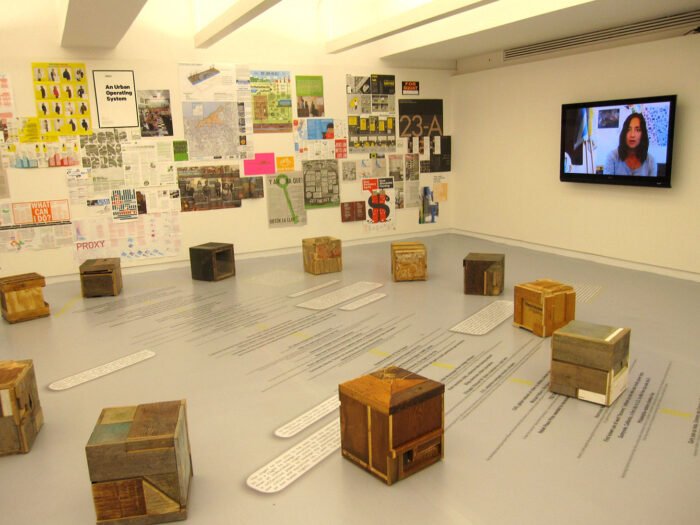
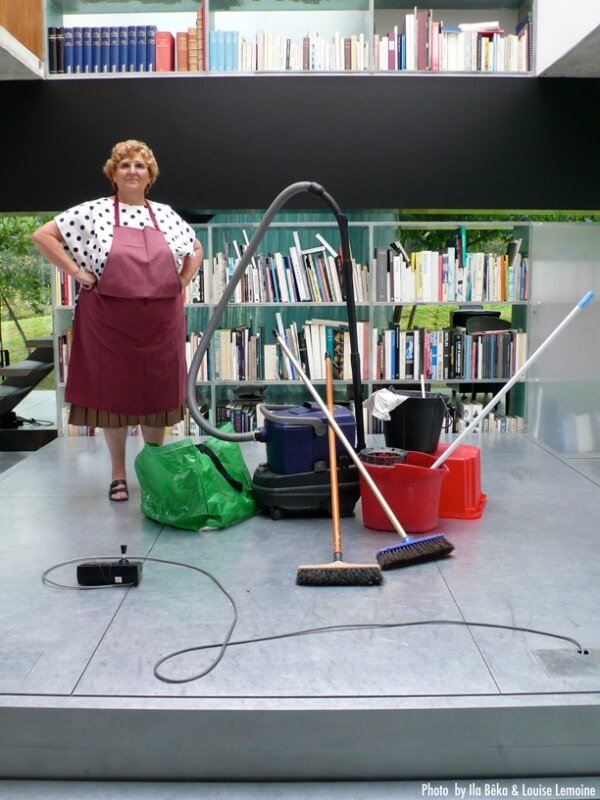
Ila Beka – Architect & Filmmaker and Louise Lemoine – Filmmaker
Dokumentaret e Beka Productions “Living Architectures”
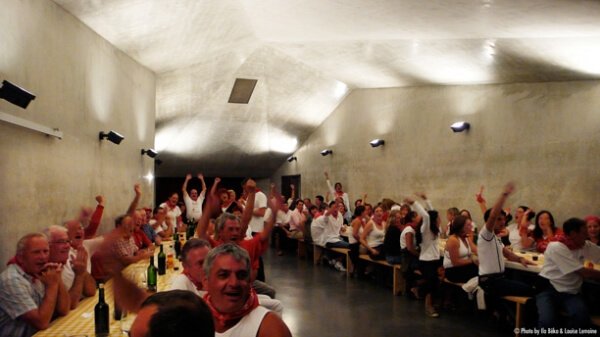
“Living Architectures” is a series of films that seeks to develop a way of looking at architecture which turns away from the current trend of idealizing the representation of our architectural heritage. The cult of perfect, disembodied forms entirely devoid of people, inevitably leads to a break-up between architecture and living space.
Through these films, Ila Bêka and Louise Lemoine put into question the fascination with the picture, which covers up the buildings with preconceived ideas of perfection, virtuosity and infallibility, in order to demonstrate the vitality, fragility and vulnerable beauty of architecture as recounted and witnessed by people who actually live in, use or maintain the spaces they have selected.
Thus, their intention is to talk about architecture, or rather to let architecture talk to us, from an “inner” point of view, both personal and subjective. Unlike most movies about architecture, these films focus less on explaining the building, its structure and its technical details than on letting the viewer enter into the invisible bubble of the daily intimacy of some icons of contemporary architecture. Through a series of moments and fragments of life, an unusually spontaneous portrait of the building would emerge. This experiment presents a new way of looking at architecture which broadens the field of its representation.
The buildings they have chosen are mainly of architectural renown, and designed by the so called “star architects” who were awarded the Pritzker Prize.
media comments:
“The architecture cult movie!” El Pais
“Heartfelt, thought-provoking and hilariously funny” The New York Times
“A thoroughly delightful film” The Wall Street Journal “Magique!” Le Monde
per ILA BÊKA & LOUISE LEMOÎNE
« Cult figures in the European architecture world. » Nicolai Oroussoff, The New York Times
takes from the documentaries
The lecture was held during the first architecture festival / Prishtina Architecture Week 2013
AL /
“Living Architectures” është një seri e filmave që kërkon të zhvillojë një mënyrë tjetër të hulumtimit në arkitekturë e cila largohet nga trendin aktual të idealizuarit dhe përfaqësimit të trashëgimisë sonë arkitektonike. Kulti i formave të përsosur, pa trup tërësisht të zbrazura nga njerëzit, në mënyrë të pashmangshme të çon në një ndarje në mes të arkitekturës dhe hapësirës së jetesës.
Përmes këtyre filmave, Ila Beka dhe Louise Lemoine vënë në pikëpyetje magjepsjen me foto, mbulimin e ndërtesës me ide të paramenduar të funksionalitetit, virtuozitetit, përsosmërisë dhe pagabueshmërisë, në mënyrë që të demonstrojë bukurinë, vitalitetin, brishtësinë e arkitekturës duke marrë parasyshë dëshmitarë nga njerëz të cilët në fakt jetojnë në këto objekte, e përdorimin ose mirëmbajtjen hapësirat që ata kanë zgjedhur.
Kështu, qëllimi i tyre është të flasim për arkitekturë, ose më mirë për të lenë që arkitektura të bisedoj me ne, nga një pikë e “brendshme” e të parë, si personale dhe subjektive. Ndryshe nga filmat rreth arkitekturës, këto filma përqendrohen më pak në shpjegimin e ndërtesës, strukturën e saj dhe detajet e veta teknike, keto filma i lënë shikuesit të hyjnë në flluskën e padukshme për ta eksploruar intimitetin e përditshmëm të disa ikonave të arkitekturës bashkëkohore. Nëpërmjet një seri momentesh dhe fragmente të jetës, një portret jashtëzakonisht spontan i ndërtesave do të dilte. Ky eksperiment paraqet një mënyrë të re për të shikuar në arkitekturën e cila zgjeron fushën e përfaqësimit të saj.
Ndërtesat që ata kanë zgjedhur janë kryesisht projekte të famshme arkitektonike dhe janë të projektuar nga arkitektë të ashtuquajtura “Starchitects” dhe të cilët janeë shpërblye me Çmimin Pritzker.
Komentet media:
“Kult filma për Arkitekturën!” El Pais
“Të përzemërta, mendje-provokuese dhe tepër qesharake” The New York Times
“Një film tërësisht i lezetshëm” Wall Street Journal
“Magjike!” Le Monde për Ila Beka & Louise Lemoine
« Figura kulti në botën e arkitekturës evropiane. »Nicolai Oroussoff, New York Times
Fragmente nga filmat dokumentarë:
Kjo ligjeratë u mbajt gjat festivalit të parë të arkitekturës / Java e Arkitekturës në Prishtinë 2013
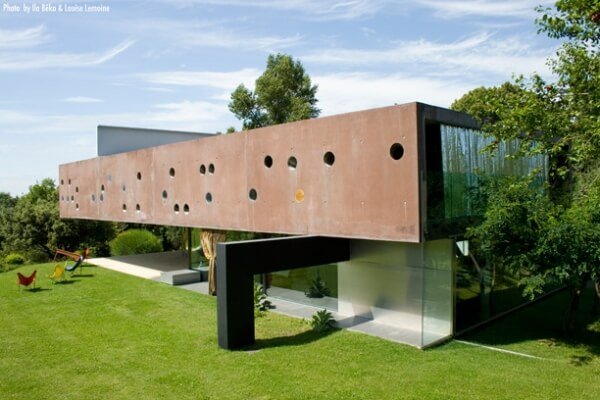


Përparim Rama is an award-winning architect and conceptual artist, who turns ideas into spaces of experiential excellence. As founding director of the London-based 4M Group, he is responsible for the overall project management and development planning of the practice. His projects range from the luxury residential to the commercial, from high-end hotels to mixed-use development, and urban planning. Despite having a team of directors, Rama continues to be the driving force behind the business and takes a hands-on approach, ensuring that the exceptional standards he set at the start of 4M Group in 2004 remain in place throughout his company. In 2009, 4M was ranked in the top fifty Sustainable Design Studios in the UK by Open City. His unrivalled vision, leadership and top-notch quality work has been noticed by news outlets such as London Building Design Magazine, BBC, RAI, The Times newspaper, and has resulted in a plethora of happy clients worldwide.
Last year the 13th Venice Architecture Biennale saw Rama representing Kosovo for the first time in the country’s history, with an installation entitled, “The Filigree Maker,” an emotional barometer related to Kosovan streets and buildings. The pavilion was internationally praised, and was noted especially by the Biennale’s President Paolo Baratta, who referred to it as “architectural democracy.”
Rama consults the Qatari National Research Fund on the Doha 2030 Vision, a government sponsored initiative for the future urban planning of the capital city. He is the London team project leader on the Dhermi 10HA sustainable village master plan project along southern Albania’s Ionian coast. Through his many collaborations on large-scheme projects, he has developed a creative thinking method for the design of new enterprises.
His background includes being the specialist consultant on developing Tools for Spatial Planning and Architecture for Newham Council and Tower Hamlets in London in preparation for the London OLYMPICS 2012. He was in charge of the international design consortium led by 4M GROUP in design to planning approval for the ENK Complex mixed-use development in Prishtina, Kosova. Additionally, he was project leader in designing the urban regulating plan for the capital city. Rama’s architectural projects, however, do not stop at London, Kosovo and Albania, but extend to New York, USA; Dublin, Ireland; Turks and Caicos Islands; Udine, Italy; Kotor, Montenegro; Lagos, Nigeria; Basel, Switzerland; Prague, Cheque Republic; and Damascus, Syria.
As a former tutor at Nottingham University School of Architecture, and in his capacities as visiting tutor/critic at the University of East London (on Degree, Diploma and MSc in Computing & Design), and Visiting Critic at the Architectural Association, as well as his work as co-supervisor to PhDs in the area of Generative Architecture & SMART building design (at the MA and PHD program at SMARTlab Digital Media Institute), Rama has a significant reputation among students for being passionate about the subjects he teaches and for holding students to high standards. He not only encourages them to learn how to articulate their vision, but also supports them in developing a creative mind-set that considers both design and build implications on humanity and the environment.
Rama has extensively examined spontaneous settlements and self-organisation, focusing on Generative Architecture with a Master’s Degree with Distinction in Computing & Architecture. He has immersed himself in lessons from nature for the built environment, and has particular research interests in sustainable development strategies shaping cities, and chaos and complexity theories.
Founded in 2004, 4M Group is a London – based bespoke design-build firm of talented and ambitious architects, designers, builders and planners from different parts of the world. With vision and a fundamental commitment to innovation and sustainability, 4M is a thriving organisation that has a thorough expertise in delivering innovative solutions across private and public sectors.
Our areas of expertise include residential, retail, hospitality, and urban mixed-use projects. From architectural design to completion, every aspect of the project is managed and implemented by our staff, providing a full-service from design, cost and programme consultancy through to construction project management. 4Ms collaborative client- designer relationship and dedication to surpassing expectations has resulted in lasting friendships and a global network of connections.
Our approach is hands-on: we are builder architects. Our concern is the happiness and well-being of individuals and communities. We integrate the art of architecture with innovative technology, crafting iconic designs that continue to challenge existing standards and advocate for a novel realm for living and working.
Some of our current projects include: a pharmacy chain in Lagos, Nigeria; the master-planning and architectural design of an Eco-Village in Dhermi, Albania; a community of homes in Bernica Park, Kosovo; high-end residences in London’s Chelsea, Mayfair, Notting Hill, Belsize Park, Southwark and Hackney.
Internationally recognised for delivering projects of high-quality, our goal is to create soulful and timeless spaces which move the human spirit and enhance the connection between our clients and their surroundings. As a socially and environmentally conscious firm of specialists, we strive to create spaces that are not just aesthetically appealing, but also showcase an inherent ecological responsibility that simultaneously caters to the needs and desires of those who use them.
We take great pride in our work and undertake each project with passion and special attention to detail, considering the spatial and material demands of each client. 4M’s ability to empathise and focus on understanding the needs of each client is the cornerstone of our work and office philosophy.
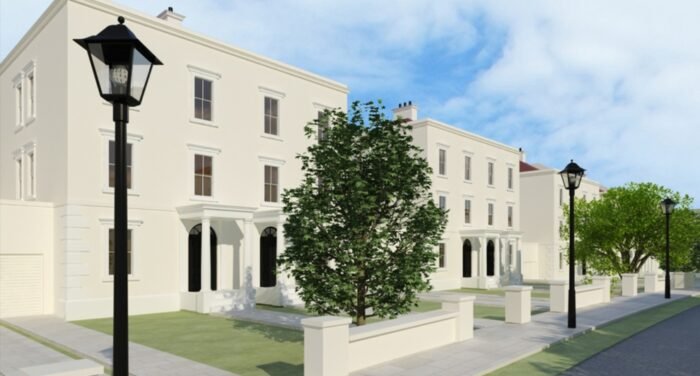


BNArchitects & associates is founded in the summer of 2008 by bujar nrecaj. our work extends in switzerland, kosova and albania. We are convinced that the quality of our built environment is a crucial component of our life. We do not work with constant rules and certain materials. we create „place architecture“ – architecture that is derived from a very specific context, for specific people – with the objective to create a significant and supra-quality built environment. We see ourselves as a powerful and competent partner within an holistic project team. together with our customers and professional engineers we are creating specific and individual project solutions. oriented on cost and time we realize the maximum design for life quality.
The lecture was part of the first architecture festival in Kosovo / Prishtina Architecture Week 2013
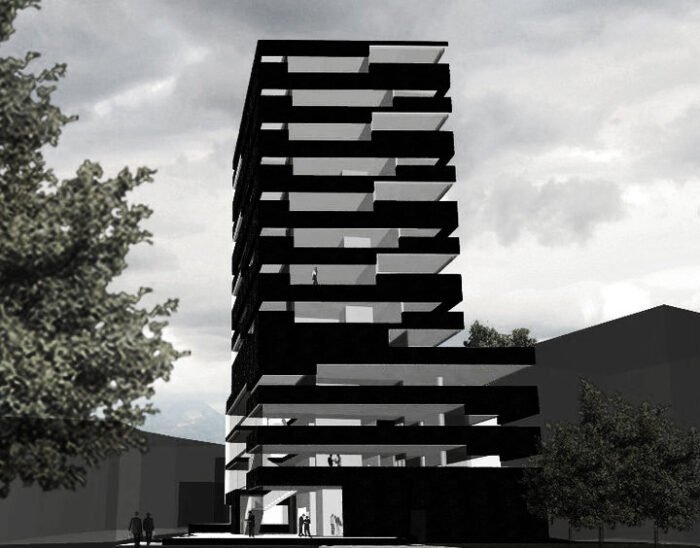

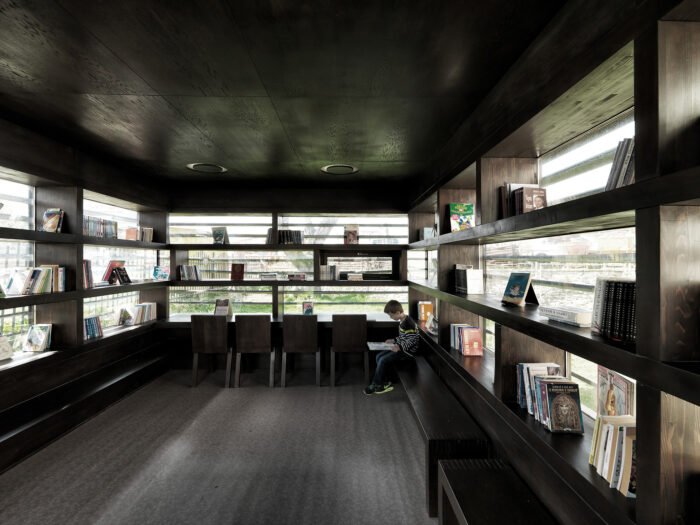
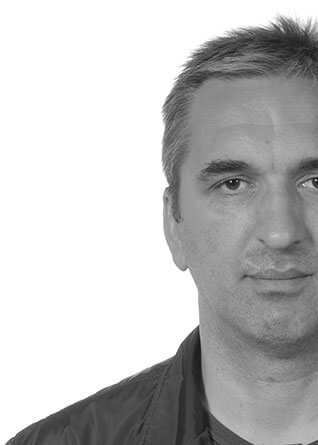
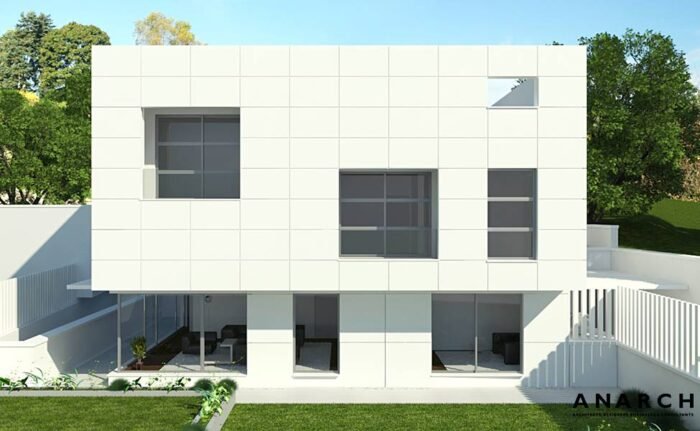
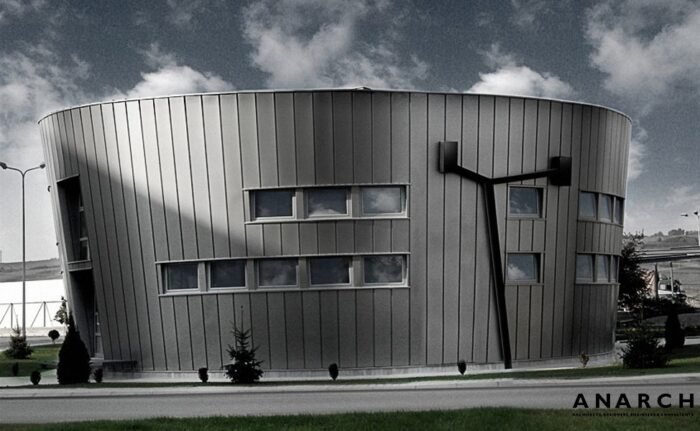
Astrit Nixha, 1964 Prishtina. Finished his studies in Architecture at the Prishtina University, after an extensive work experience in Britain, Nixha returned to Kosovo to first establish Nixha&Partners and later ANARCH.
Nixha founded ANARCH in 2004. Over 20 years of architectural and managerial experience. At ANARCH quality comes first. The quality of our work is our number one priority, when it comes to achieving costumer satisfaction. Our clients are the focus of everything we do. We strive for excellence in every aspect of our work from our conception of creativity, safety and value in our project our human relations to our competitiveness and productivity. ANARCH is constantly striving to improve and cater its services to costumers needs by prospering as a business and providing client satisfaction as well as a reasonable return. People, service, products and profit are how we accomplish our mission of creating quality structures one can be proud of. ANARCH’s rich portfolio of work extends beyond Kosovo and Albania.