Open Call for: Individuals with a background in Architecture, urbanism, art, environmental,
social or political studies (students and young professionals)
Workshop Dates: 6-10 July
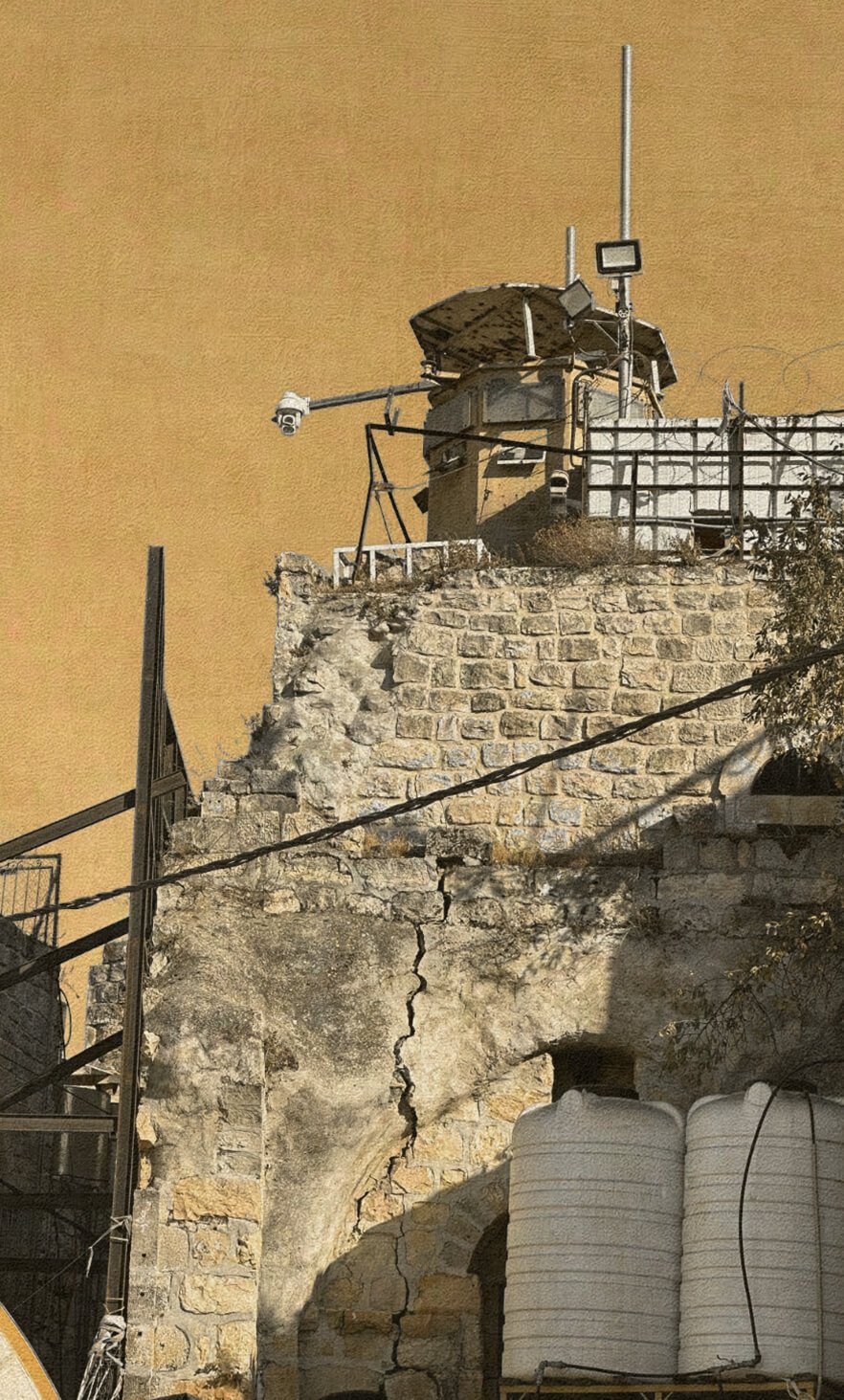
At the heart of Hebron’s Old City stands the Ibrahimi Mosque, built above a network of cave tombs. Around it extends a dense historic fabric of narrow alleys, vaulted passages, and irregular courtyards shaped over centuries. West of the mosque lies another important monument, Tel Rumeida. Israeli settlements are concentrated around these two sites, surrounded by heavily militarised infrastructure that fragments the Palestinian city.
Grey concrete military towers stand next to historical sandstone buildings, armed soldiers, surveillance cameras, and crossing points control the movement. The Old City resembles a ghost town, emptied of visitors and its original residents. In this way, Hebron becomes a condensed representation of the wider condition in occupied Palestine.
Here, space is not a mere background to human life. It must be continuously produced, claimed, and maintained through everyday practices. In this workshop, we ask: How can architecture serve as a tool to create clearly defined spaces that enrich the everyday lives of Palestinian residents?
We will begin by mapping the systems, infrastructures, and spatial relationships at the scale of the Old City. From there, we will design individual briefs, defining site lines, institutional frameworks and stakeholders.
The students will develop speculative proposals that directly intervene in the urban fabric, challenging and altering existing relationships. We will use narrative, drawing and physical modelling to test and demonstrate our proposals.
The workshop offers architects, researchers and designers a chance to engage with the Old City of Hebron by sharing, testing and developing ideas together.
All interested participants must send an email by the 29th of June with the subject line “Reclaiming Everyday Life” attaching a CV or samples of their work, specifying their year and field of study, and providing their contact information (email and phone number) to workshops.kaf@gmail.com
Workshop Agenda:
Day 1
Introduction to Hebron and its position within the wider Palestinian context. Analysis and documentation of the Old City’s urban fabric through open-source research, mapping, and visual investigation. Group discussion and identification of key spatial conditions.
Day 2
Lecture and discussion on public space, spatial justice, and everyday urban practices. Development of individual project briefs – defining site lines, institutional frameworks and stakeholders.
Day 3
Introduction to project methodologies, including drawing, mapping, and physical modelling. Development of individual design proposals and testing of intervention strategies.
Day 4
Individual tutorials focused on refining proposals and developing modes of representation. Preparation of final drawings, models, and presentation materials.
Day 5
Final presentation of individual projects, followed by feedback, critical discussion, and collective reflection.
Workshop Dates: 6-10 July
Mentors: Banan Shbair, Diogo Rodrigues, Hala Awadallah, Mayra Deberg
About the workshop:
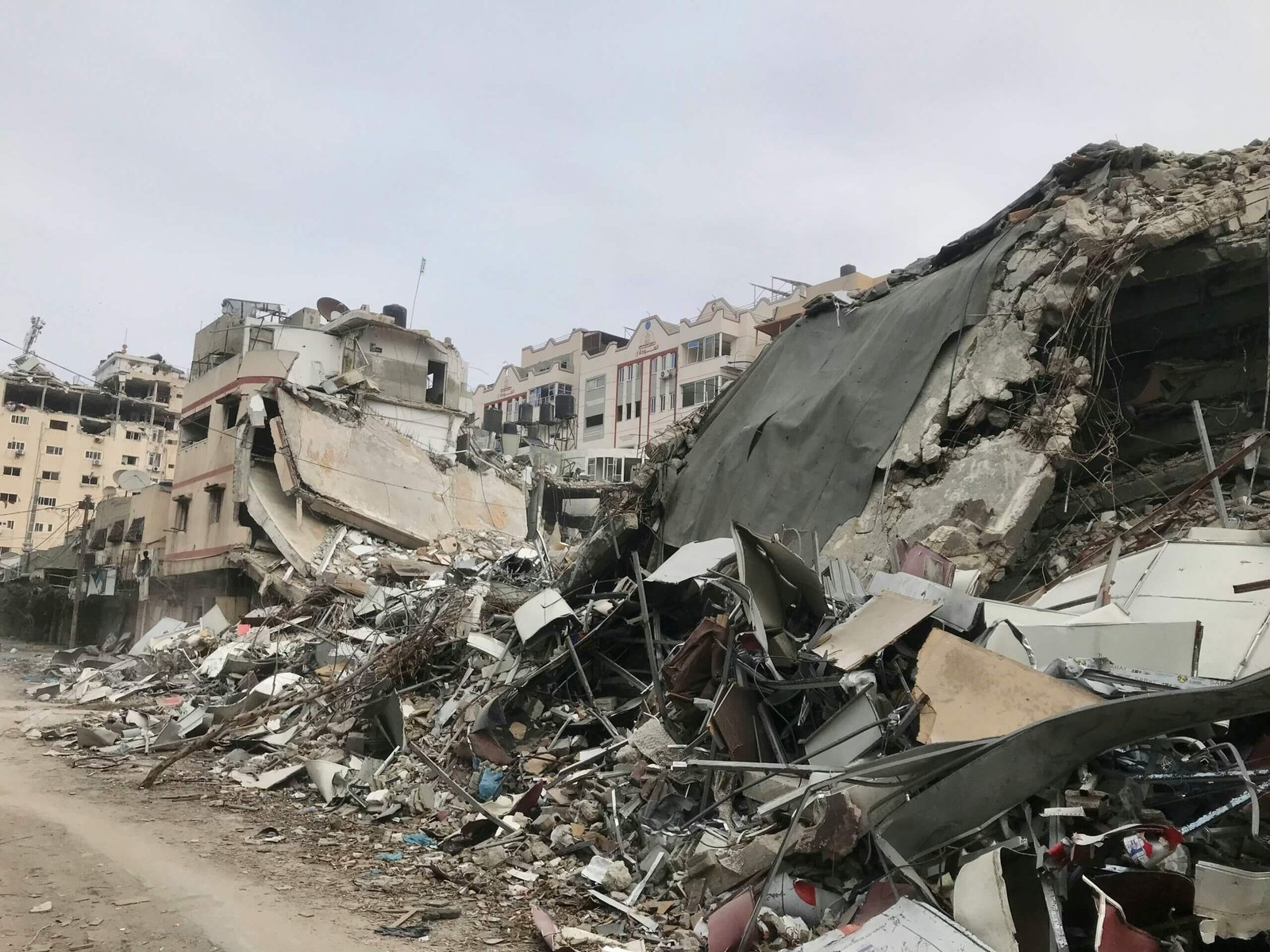
‘How can rubble become a social, ecological, and architectural resource for post-crisis recovery?’
In contexts of severe conflict, the destruction of the built environment leaves behind physical debris while disrupting access to water, sanitation, food preparation, mobility, collective spaces and everyday forms of care. Hands as Tools is an experimental, hands-on workshop that explores how low-tech, community-driven approaches can transform rubble and salvaged materials into minimal infrastructures of care.
Focusing on the current crisis in Gaza, this workshop asks a critical question:
How can design contribute to dignity, comfort and autonomy in emergency contexts when materials, tools, energy and infrastructure are severely constrained?
The workshop will be organized around three interconnected themes: Material, Water and Infrastructure.
The material component will involve mapping, classifying and physically testing rubble and salvaged materials, especially concrete fragments, as possible components for reuse.
The water component will develop research and visual guidelines around low-tech systems for collection, storage, transport, pre-filtration, reuse and distribution.
The infrastructure component will connect these investigations into small-scale proposals for everyday needs, such as light sanitation, cooking support, cultivation, shade, storage, circulation, meeting points and shared-use elements.
Through practical experimentation, prototyping and diagrammatic communication, the workshop aims to develop a visual open-source guide that can be translated, adapted and shared with communities in Gaza through Palestinian collaborators.
Conceptual Framework
The Architecture of Constraint: Understanding how extreme limitations in materials and techniques actively shape and constrain design possibilities.
Rubble as a Resource: Shifting the narrative of debris from a symbol of destruction to a tangible building block for survival and modular infrastructure.
Dignity in Emergencies: Prioritizing human comfort, agency, and social meaning in rapid-response architecture.
Low-Tech Reactivation: Utilizing simple tooling, strategic mapping, and modular proposals to create decentralized, community-managed infrastructure.
Community Knowledge & Everyday Adaptation: Learning from the informal practices, local ingenuity, and everyday solutions developed by communities in Gaza. The workshop recognizes that valuable design knowledge already exists within lived experiences of displacement, resource scarcity, and material reuse.
Methodology
To ensure the design process remains grounded in reality, the workshop relies on the methodological creation of user guidelines under simulated constraints. Participants will work using a strict low-tech approach, applying the same limitations, materials, and simple tools that users in Gaza currently have access to. This hands-on simulation fosters empathy, practical problem-solving, and a deep understanding of material behavior in conflict contexts.
Workshop Structure & Context Input
A contextual presentation from Gaza will be included at the beginning of the workshop to ground participants in the current urban and humanitarian realities. This input will provide an understanding of lived experiences, material constraints, displacement conditions, and community adaptation practices that inform the design process
Expected Deliverables & Outputs
Open-Source Guidelines: A comprehensive set of small diagrammatic drawings and schematic manuals(For the materials and transformation of the materials + creation of the components and intervention related to water and infrastructure). These visual guides will be designed for extreme accessibility, ensuring they can be easily interpreted and utilized directly by communities and individuals in Gaza.
Material Prototypes: Practical, hands-on small-scale physical prototypes demonstrating the reuse of materials and the creation of functional infrastructure (e.g., modular water solutions or adaptable shelter joints).
Proposed Daily Schedule
Day 1: Context, Mapping & Meaning. Introduction to the material realities of Gaza. Mapping the emotional, social, and structural implications of rubble – (Interactive Waste Analysis Session).
Day 2: The Architecture of Constraint. Exploring “Material vs. Infrastructure.” Ideation sessions focused on low-tech water solutions and adaptable structures using restricted resources.
Day 3: Hands-On Prototyping. Practical application using simple tools. Participants begin building physical, small-scale prototypes using reclaimed steel, concrete, and debris.
Day 4: Systematizing Knowledge. Translating the physical prototypes and fabrication methods into clear, diagrammatic guidelines and schematics.
Cost and time testing phase: Evaluating models through a matrix based on the “minimum number of tools” and “fastest implementation time”, to ensure the solutions are realistic in Gaza’s conditions.
Day 5: Assembly & Vision. Finalizing the open-source manual and presenting the prototypes. Group reflection on designing for dignity, comfort, and resilience in emergency contexts.
Hands as Tools explores how low-tech, community-driven approaches can transform rubble, salvaged materials and locally available resources into minimal infrastructures of care in Gaza. Structured around the themes of Material, Water and Infrastructure, the project focuses on mapping, classifying and testing available materials, while developing research and visual guidelines for low-tech water systems, including collection, storage, transport, pre-filtration, reuse and distribution.
Through practical experimentation, prototyping and diagrammatic communication, participants will investigate how material reuse can support everyday needs such as light sanitation, cooking, cultivation, shade, storage, circulation and shared-use spaces. The main outcome will be an open-source visual guide composed of diagrams, material maps and step-by-step instructions, designed to be translated, adapted and shared with communities in Gaza through Palestinian collaborators.
All interested participants must send an email by the 29th of June with the subject line “Hands as tools” attaching a CV or samples of their work, specifying their year and field of study, and providing their contact information (email and phone number) to workshops.kaf@gmail.com.
Open Call for: Individuals with a background in Architecture, urbanism, art, environmental, social or political studies (students and young professionals)
Workshop Dates: 6-10 July
Mentors: Amira Sayyad, Walaa Hajali
Activities: Narrative collection, mapping, sketching, collage-making, and a mini exhibition.
About the workshop:
“…In Jerusalem, the municipality is more dangerous than the army!”
Abu Kamal (58), Palestinian resident of East Jerusalem
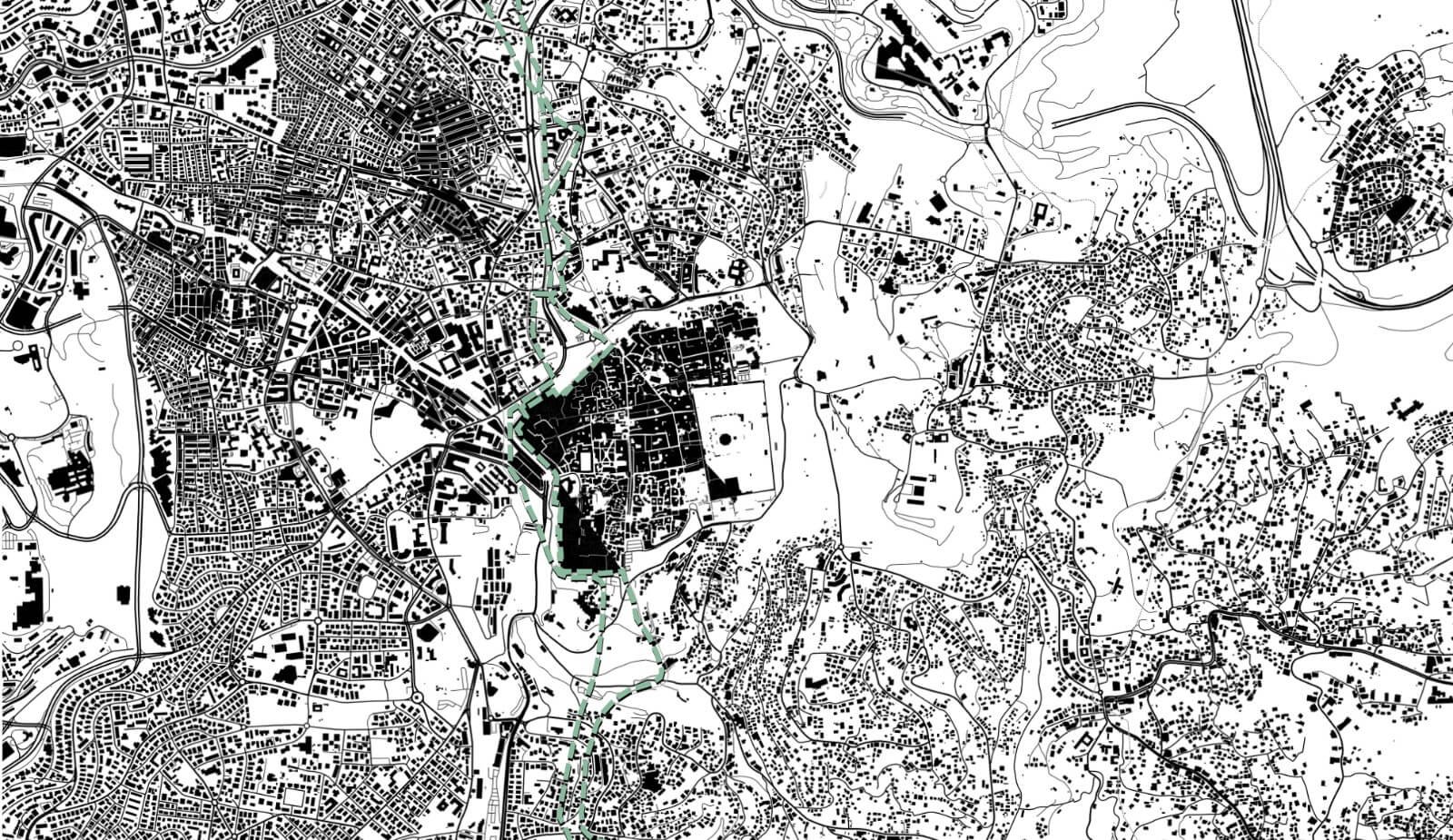
What stories do official maps tell, and what stories do they leave out? What becomes invisible through planning and visible through counter-planning? The workshop explores narrative mapping as an alternative spatial tool for rethinking eastern Jerusalem’s fragmented urban condition. Working across official planning documents and local Palestinian narratives, participants examine how space is represented, produced, and contested in the city. Spatial stories will be translated into comparative maps that expose spatial and environmental injustice, overlaps, and gaps between institutional and lived understandings of space. Storytelling is approached as an active spatial practice through which the experience of the city lived. The stories are read as spatial constructs shaped by the right to the city, memory, and collective practices of reclamation.
We invite participants who are interested in the art of observation and in how lived environment experience can be translated into spatial practices. Together, we will engage with the political realities that shape how space is imagined, produced, and experienced. By doing so, we will explore integrated approaches to spatial thinking that connect environmental, social, and political dimensions of urban life, uncovering the human realities of Palestinians that often remain absent from official narratives.
All interested participants must send an email by the 29th of June with the subject line “What Maps Conceal” attaching a CV or samples of their work, specifying their year and field of study, and providing their contact information (email and phone number) to workshops.kaf@gmail.com.
The Kosovo Architecture Foundation and RIWAQ cordially invite three Young Palestinian Architects to join a fellowship within the LINA architecture program, as part of the Kosovo Architecture Festival “The City After – Design in the Age of Crises” edition. The Palestinian fellows are invited to join a two months collaborative project between May-June, 2026, through a hybrid (online and face-to-face) program, including a one-week workshop in the city of Prishtina, Kosovo.
In collaboration with RIWAQ, the selected Palestinian fellows will have the opportunity to collectively develop a specific architectural project relevant to the Palestinian context, alongside three LINA fellows. Participants will develop the project online, followed by a face-to-face workshop in Kosovo, where selected fellows will present their work to the local public as part of the Kosovo Architecture Festival.
Applications are open until April 25,2026
Applicants must be Palestinian residents (West Bank, Jerusalem & Gaza) aged 24-30
Applicants must hold a minimum of Bachelor’s degree with focus on Design, Architecture, or Urban Planning.
Applicants must submit a 1-2 page bio, a portfolio and a proposed study topic for the fellowship to aya@riwaq.org by April 25, 2026.
The fellowship expenses are fully covered by the Kosovo Architecture Foundation (transport, accommodation, honorarium).
For questions, please contact us at aya@riwaq.org.
About KAF:
The Kosovo Architecture Foundation is one of the largest organizations of its kind in the SEE region. As one of the LINA founders and organizers of the Kosovo Architecture Festival (since 2013), KAF’s main focus is to present in front of the local public contemporary methodologies and visions in Architecture, Urbanism and Design, as well as increase the collaboration and knowledge exchange between local, European and Global young creatives.
About RIWAQ:
RIWAQ is a non-governmental, non- profit organization established in 1991, in Ramallah, Palestine. The main aim of RIWAQ was, and still is, the documentation, rehabilitation and development of the architectural heritage of Palestine through its main programs; the Restoration Program, the Regeneration of the 50 Most Significant Historic Centers, and the Community and Cultural Program.
About LINA:
LINA is a European platform connecting institutions with emerging practitioners and thinkers working at the intersection of architecture and spatial culture. It promotes emerging talent and aims to guide design and building processes toward regenerative practices and de-growth principles aligned with the European Green Deal.
Links:
www.kosovoarchitecture.org
riwaq.org
lina.community
AL/
Puntoria: Shtigjet ekologjike të Prishtinës
Thirrje e hapur për: Persona me përvojë në Arkitekturë, Urbanizëm, Ekologji ose Biologji (student e profesionist të ri)
Datat e punëtorisë: 15–20 Shtator
Mentor: Jean François Gauthier, Arkitekt peizazhi
#Sylva Atelier, Roterdam, Holandë
Rreth punëtorisë:
Aktivitete: Ecje – Skicim – Hartëzim – Dizajnim
Frymëzim: Libri “Principles of Landscape Ecology in Landscape Architecture and Urban Planning”. Ky libër e konsideron qytetin si një rrjet të mundshëm ekologjik, ku parqet mund të shihen si rezervate ekologjike, rrugët si korridore të gjelbra dhe sheshet si pika lidhëse.
Në këtë punëtori do të eksplorojmë një sërë hapësirash publike, duke filluar nga Parku Kombëtar i Gërmisë, parqet e qytetit Taukbahçe dhe Parku i Qytetit, si dhe kampusin universitar të Prishtinës. A mund t’i konsiderojmë këto tipologji bazë të qytetit si pjesë të një rrjeti ekologjik urban? Pjesëmarrësit do të zbulojnë dhe hartëzojnë korridoret e mundshme të gjelbra që lidhin këto hapësira të rëndësishme të hapura dhe ekologjike në qytet. Do të punojmë për të imagjinuar hapësira të reja të gjelbra të qasshme për njerëzit, kafshët dhe bimët në Prishtinë: një rrjet shtigjesh ekologjike dhe itinerare të vazhdueshme ecjeje që e lidhin qytetin me rezervatet natyrore në periferi të Prishtinës.
Të gjithë të interesuarit duhet të dërgojnë një email deri më 7 Shtator 2025 me subjektin “Prishtina Eco- logical Trails workshop”, duke bashkangjitur një bio/CV të shkurtër rreth tyre, duke specifikuar vitin dhe drejtimin e studimeve, si dhe duke lënë kontaktet e tyre (email dhe nr. tel) në workshops.kaf@gmail. com.
EN/
Prishtina’s ecological trails
Open Call for: Individuals with a background in Architecture, Urbanism, Ecology, or Biology (students and young professionals)
Workshop Dates: 15-20 September
Mentor: Jean François Gauthier, Landscape Architect
Sylva Atelier, Rotterdam, the Netherlands
About the workshop:
Activities: Walking – Sketching – Mapping – Designing
Inspiration: The book ‘landscape ecology principles in landscape architecture and urban planning’. This book considers the city as a potential ecological network, in which parks can be seen as ecological re- serves, streets as green corridors and squares as stepping stones.
In this workshop, we will explore a series of public spaces, ranging from Germia National Park, the city parks Taukbahçe & Parku i Qytetit, and the university campus of Pristina. Can we consider these basic typologies of the city as part of an urban ecological network? Participants will discover and map po- tential green corridors between these important open and ecological spaces in the city. We will work on imagining new accessible green spaces for people, animals and plants in Pristina: a network of ecological trails and continuous walking routes that connect the city with the nature reserves on the outskirts of Pristina.
All interested participants must send an email by September 7, 2025 with the subject line “Prishti- na Ecological Trails workshop”, attaching a short bio/CV about themselves, specifying their year and field of study, and providing their contact information (email and phone number) to workshops.kaf@gmail.com.
AL/
Puntoria: Nëse nuk ke hapësirë publike, si mund të mbrosh?
Luaj, Lidh, Qëndrueshmëri: Riimagjinimi i Hapësirave Publike në Prishtinë
Thirrje e hapur për: Studentët e Arkitekturës dhe Urbanizmit nga viti i 3-të e sipër (niveli BA ose MA)
Datat e punëtorisë: 15–20 Shtator
Mentore: Dea Buza
Arkitekte–dizenjuese urbane me fokus në urbanizmin e peizazhit
Rreth puntorisë:
Transformimi i hapësirave urbane të Prishtinës në një rrjet peizazhesh adaptive e multifunksionale, ku ekologjia, qëndrueshmëria dhe loja bashkohen për të përmirësuar mirëqenien e komunitetit dhe shënde- tin mjedisor.
Peizazhi urban i Prishtinës kërkon një ndryshim paradigme drejt hapësirave të qëndrueshme dhe mul- tifunksionale që adresojnë sfidat mjedisore dhe nxisin angazhimin e komunitetit. Ky projekt propozon një qasje eksperimentale të mbështetur në urbanizmin e peizazhit, duke kombinuar ekologjinë, lojën dhe qëndrueshmërinë për të riformësuar hapësirat e pashfrytëzuara. Duke integruar infrastrukturën jeshile– blu me dizajne lojcake dhe gjithëpërfshirëse, iniciativa synon të krijojë peizazhe urbane adaptive që i përgjigjen nevojave në zhvillim të qytetit.
Në qendër të kësaj qasjeje është njohja e peizazhit si kornizë për dizajnin urban, duke theksuar proceset ekologjike, lidhshmërinë dhe adaptueshmërinë. Projekti synon të riimagjinojë strukturën e fragmentuar urbane të Prishtinës duke kthyer hapësirat e neglizhuara në peizazhe dinamike dhe shumëqëllimore që ndërthurin sistemet natyrore me aktivitetin njerëzor. Përmes punëtorive pjesëmarrëse dhe prototipizimit të përkohshëm, kjo nismë do të krijojë dizajne të zbatueshme, do të nxisë pronësinë e komunitetit dhe do të zhvillojë një vizion të shkallëzueshëm për të ardhmen e qytetit. Duke ndërthurur parimet e urban- izmit të peizazhit në zhvillimin e Prishtinës, projekti vizionon një qytet ku infrastruktura e qëndrueshme jeshile–blu, hapësirat publike të gjalla dhe shëndeti ekologjik lidhen në mënyrë të pandërprerë, duke krijuar një mjedis urban të qëndrueshëm dhe plot gëzim.
Gjithë të interesuarit duhet dërguar një email deri me datën 7 Shtator 2025 me email subject “If you dont have a public space workshop” dhe duke bashkangjitur një bio/cv të shkurtër rreth tyre, të cekin në cilin vit dhe drejtim të studimeve janë si dhe duke lënë kontaktet e tyre (email dhe nr.tel) në emailin workshops.kaf@gmail.com.
EN/
If you do not have a public space, how can you protect?
Play, Connect, Resilience: Redefining Public Spaces in Prishtina Workshop
Open call for: Architecture and Urbanism students in their 3rd year and above (BA or MA level)
Dates: 15-20 September
Mentor: Dea Buza
Architect-urban designer with focus in landscape urbanism
About the workshop:
Transforming Prishtina’s urban spaces into a network of adaptive, multifunctional landscapes where ecology, resilience, and play converge to enhance community well-being and environmental health.
Prishtina’s urban landscape requires a paradigm shift toward sustainable, multifunctional spaces that address environmental challenges and foster community engagement. This project proposes an ex- perimental approach grounded in landscape urbanism, combining ecology, play, and resilience to redefine underutilized spaces. By integrating green-blue infrastructure with playful, inclusive de- signs, the initiative seeks to create adaptive urban landscapes that align with the city’s evolving needs.
Central to this approach is the recognition of landscape as a framework for urban design, emphasiz- ing ecological processes, connectivity, and adaptability. The project aims to reimagine Prishtina’s frag- mented urban fabric by transforming neglected spaces into dynamic, multi-purpose landscapes that blend natural systems with human activity. Through participatory workshops and temporary proto- typing, this initiative will generate actionable designs, foster community ownership, and develop a scal- able vision for the city’s future. By weaving landscape urbanism principles into Prishtina’s develop- ment, this project envisions a city where resilient green-blue infrastructure, vibrant public spaces, and ecological health is seamlessly interconnected, fostering a sustainable and joyful urban environment.
All interested participants must send an email by September 7, 2025 with the subject line “If you don’t have a public space workshop”, attaching a short bio/CV about themselves, specifying their year and field of study, and providing their contact information (email and phone number) to workshops.kaf@gmail.com.
EN
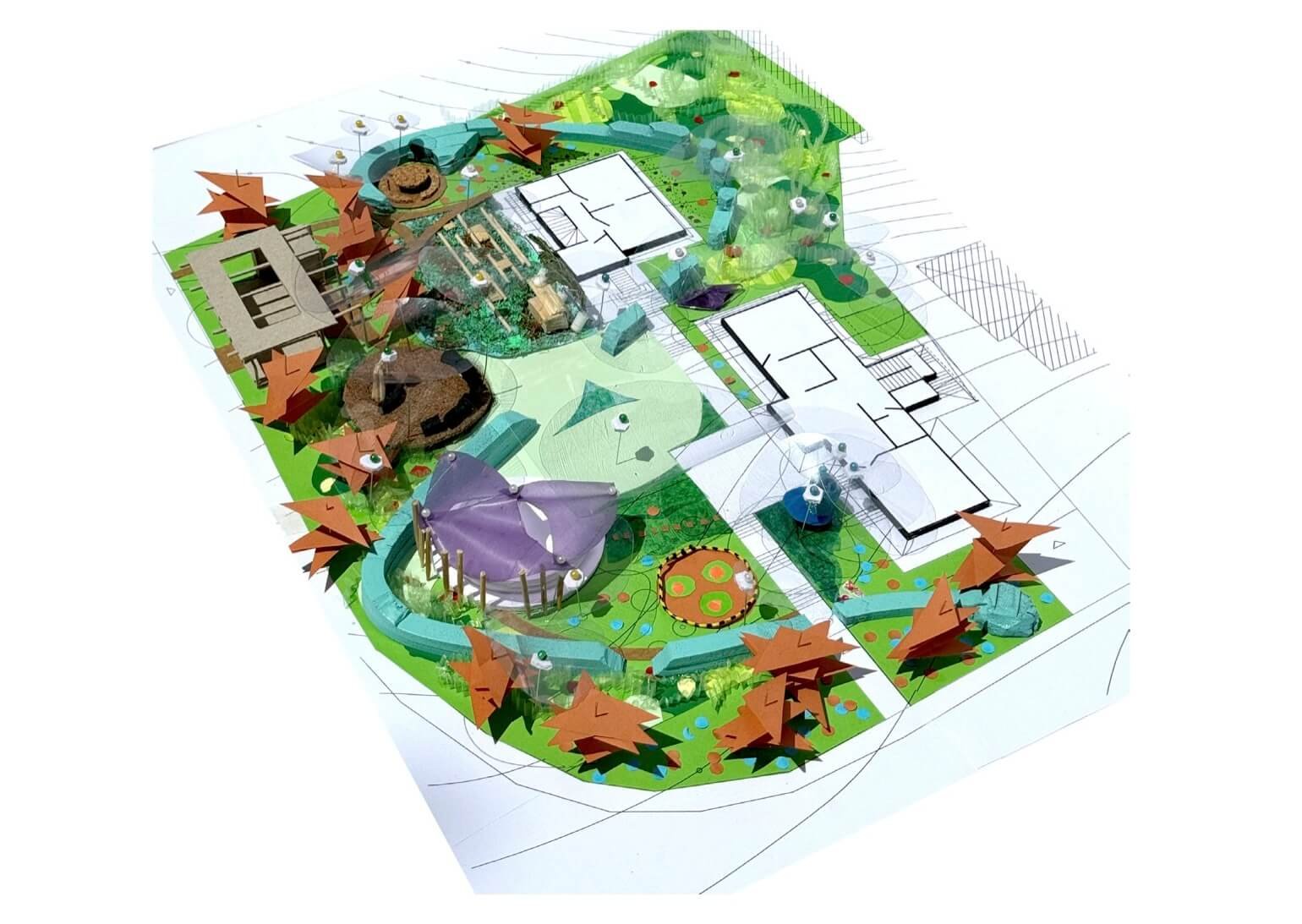
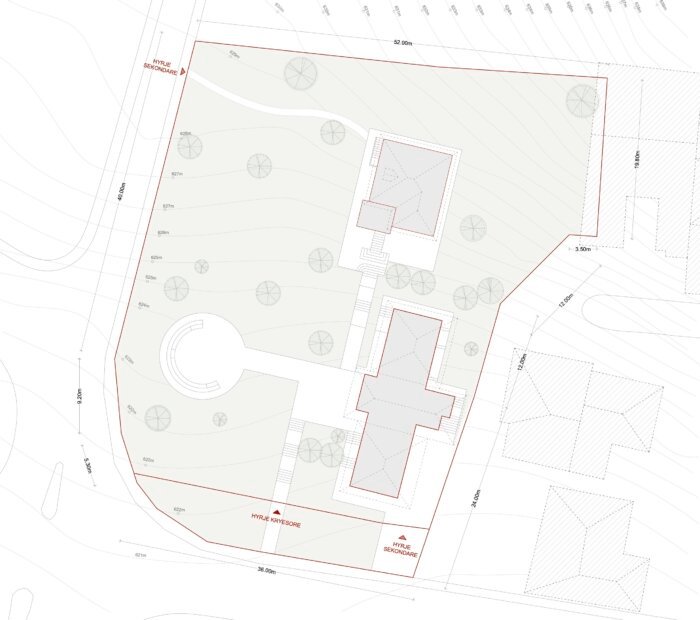
This one-week workshop during the 2024 Kosovo Architecture Festival will investigate how to
re-invigorate an overgrown green space into an inviting and inspiring public garden. The site is located in the neighborhood of Taslixhe, surrounding the Children’s Library and the former home of Hivzi Sulejmani – currently housing Rezidenca 17.
During the workshop we will study how to create public space where visitors of all ages can get closer to nature. Over the course of five days we will learn about the site, collect references, catalogue inspirations, and workshop with locals. The goal will be to prepare a proposal for the transformation of the garden. It should become a place designed to explore, educate, and inspire, while emphasizing sustainability and looking after the natural environment.
Firstly, we will get to know the site by assessing its current state and discuss its potentials and issues. We will then familiarize ourselves with a few other successful local gardens throughout the city during a short tour. Armed with local knowledge we will then zoom out and search for inspiration by collecting references and ideas through desk research. This research will serve as the basis for a short participatory workshop with locals and children. Once the final wish list for the garden is established we will hold a design charette to create a proposal for the garden. The final products of the workshop can consist of visuals (plans/impressions), models and a booklet documenting the process.
Requirements for participation are enthusiasm about the city, the built environment and green spaces. Students and recent graduates from the fields of architecture, landscape architecture, urban design, horticulture as well as art, biology, ecology, botany, sociology, or philosophy, are encouraged to apply. Participants are expected to actively contribute to the workshop for its whole duration. Materials needed are a laptop, tracing paper and pencils. Please feel free to bring any other tool you feel comfortable working with.
The workshop will be led by Dutch studio LMNL office [for architecture and landscape].
AL
Kjo puntori njëjavore gjatë Festivalit të Arkitekturës në Kosovë 2024 do të hulumtojë mënyrat se si një hapësirë e gjelbër e lënë pas dore dhe e mbingarkuar me bimësi mund të riaktivizohet në një kopsht publik mikpritës dhe frymëzues. Lokacioni ndodhet në lagjen Taslixhe, përreth Bibliotekës së Fëmijëve dhe ish-shtëpisë së Hivzi Sulejmanit – e cila aktualisht strehon Rezidenca 17.
Gjatë puntorisë do të studiojmë se si të krijojmë një hapësirë publike ku vizitorët e të gjitha moshave mund të afrohen më shumë me natyrën. Përgjatë pesë ditëve do të mësojmë rreth lokacionit, do të mbledhim referenca, do të katalogojmë frymëzime dhe do të bashkëpunojmë me banorët lokalë. Qëllimi do të jetë përgatitja e një propozimi për transformimin e kopshtit. Ai duhet të shndërrohet në një vend të dizajnuar për eksplorim, edukim dhe frymëzim, duke theksuar qëndrueshmërinë dhe kujdesin ndaj mjedisit natyror.
Fillimisht do të njihemi me lokacionin duke vlerësuar gjendjen e tij aktuale dhe duke diskutuar potencialet dhe problematikat. Më pas do të njihemi me disa kopshte të tjera të suksesshme lokale në qytet përmes një vizite të shkurtër. Të pajisur me njohuri lokale, do të zgjerojmë perspektivën dhe do të kërkojmë frymëzim përmes hulumtimit në tavolinë (desk research), duke mbledhur referenca dhe ide. Ky hulumtim do të shërbejë si bazë për një puntori të shkurtër pjesëmarrëse me banorët dhe fëmijët. Pasi të përcaktohet lista përfundimtare e dëshirave për kopshtin, do të organizojmë një charette dizajni për të hartuar propozimin përfundimtar. Produktet finale të puntorisë mund të përfshijnë vizualizime (plane/përshtypje), makete dhe një broshurë që dokumenton procesin.
Kërkesat për pjesëmarrje janë entuziazmi për qytetin, mjedisin e ndërtuar dhe hapësirat e gjelbra. Studentët dhe të sapodiplomuarit nga fushat e arkitekturës, arkitekturës së peizazhit, dizajnit urban, hortikulturës, si dhe nga arti, biologjia, ekologjia, botanika, sociologjia apo filozofia, inkurajohen të aplikojnë. Pjesëmarrësit pritet të kontribuojnë në mënyrë aktive gjatë gjithë kohëzgjatjes së puntorisë. Materialet e nevojshme janë një laptop, letër kalk (tracing paper) dhe lapsa. Mund të sillni gjithashtu çdo mjet tjetër me të cilin ndiheni rehat të punoni.
Puntoria do të udhëhiqet nga studio holandeze LMNL office [for architecture and landscape].
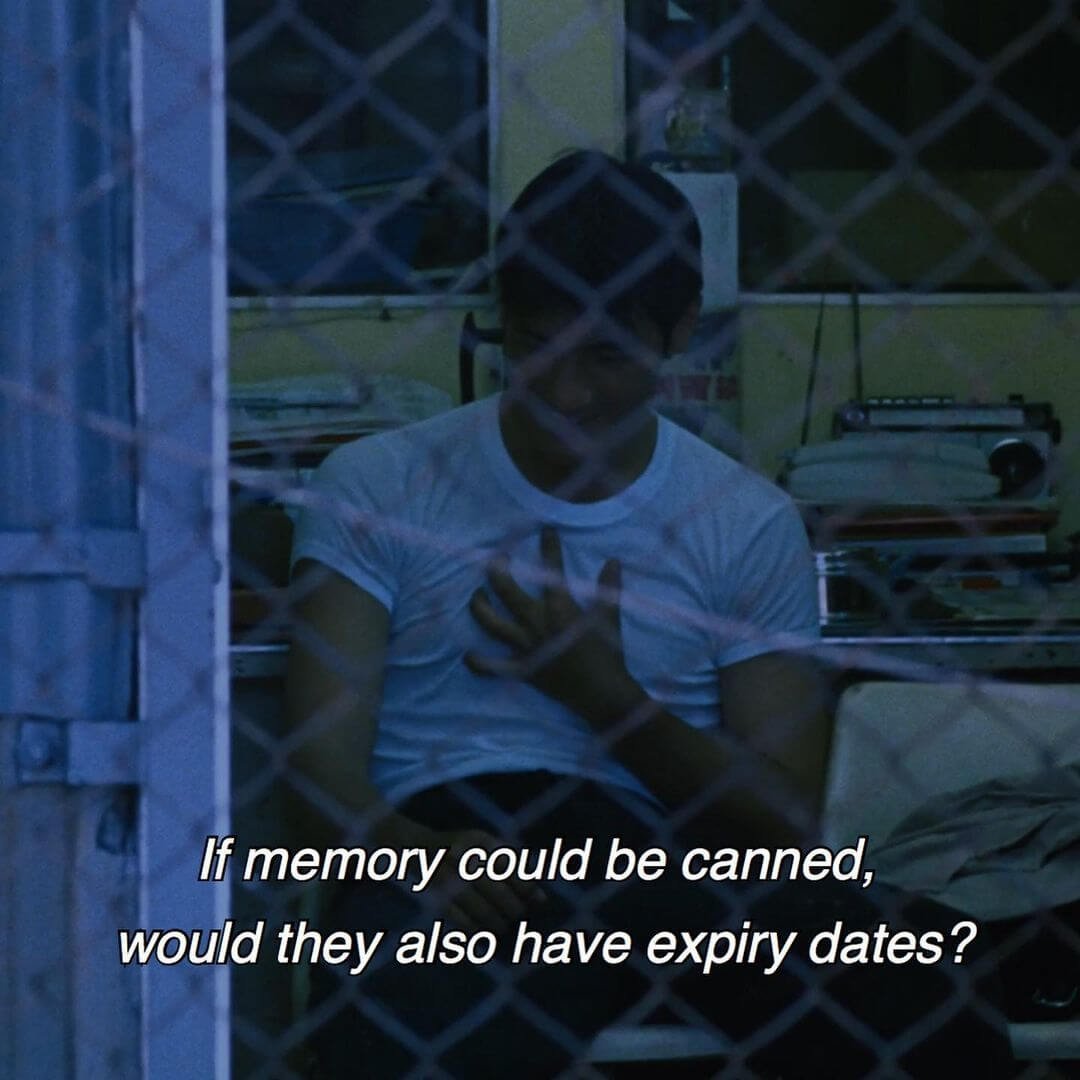
EN/
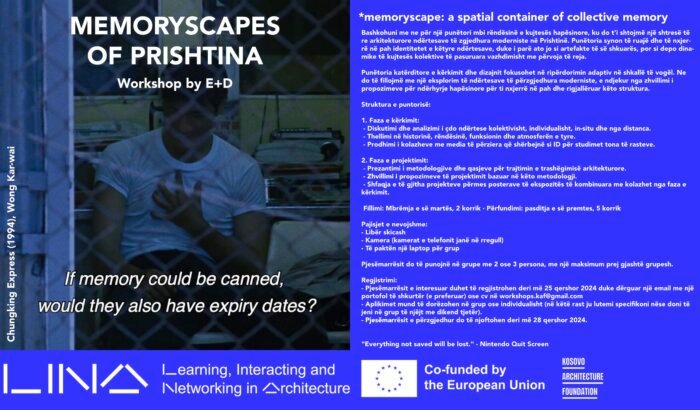
Picture with a quote “If memory could be canned, would they also have expiration dates.” –
Picture credits (write on the side vertically): Chungking Express (1994), Wong Kar-wai
Picture subtitle (under the picture): *memoryscape: a spatial container of collective memory
Join us for a workshop on the significance of spatial remembrance, where we will add a new architectural layer to selected modernist buildings in Prishtina. The workshop aims to preserve and highlight these buildings’ identities, viewing them not as artefacts of the past, but as dynamic repositories of collective memory continually enriched by new experiences.
The four-day research and design workshop focuses on small-scale adaptive reuse. We will begin with an exploration of selected modernist buildings, followed by developing proposals for spatial interventions to highlight and revitalize these structures.
Workshop Structure:
1. Research Phase:
– Discussing and analyzing each building collectively, individually, in-situ, and remotely.
– Delving into their history, significance, function, and atmosphere.
– Producing mixed-media collages that serve as IDs for our case studies.
2. Design Phase:
– Introducing methodologies and approaches for dealing with architectural heritage.
– Developing design proposals based on these methodologies.
– Displaying all projects through exhibition posters combined with the collages from the research phase.
Start: Evening of Tuesday, 2nd July · End: Afternoon of Friday, 5th July
Required Equipment:
– Sketchbook
– Camera (phone cameras are ok)
– At least one laptop per group
Participants will work in groups of 2 or 3 people, with a maximum of six groups.
Registration:
– Interested participants must register by 25th June 2024 by sending an email with a small portfolio or cv to workshops.kaf@gmail.com
– Applications can be submitted as a group or individually (in that case please specify if you need to be paired with others or if you already have a partner).
– Selected participants will be notified by 28th June 2024.
“Everything not saved will be lost.” – Nintendo Quit Screen
AL/
Foto me një citat “Nëse kujtesa mund të konservohet, a do të kishin edhe ato data skadimi.” –
Kreditë e figurës (shkruani në anën vertikalisht): Chungking Express (1994), Wong Kar-wai
Nëntitulli i figurës (nën figurë): *memoryscape: a spatial container of collective memory
Bashkohuni me ne për një punëtori mbi rëndësinë e kujtesës hapësinore, ku do t’i shtojmë një shtresë të re arkitekturore ndërtesave të zgjedhura moderniste në Prishtinë. Punëtoria synon të ruajë dhe të nxjerrë në pah identitetet e këtyre ndërtesave, duke i parë ato jo si artefakte të së shkuarës, por si depo dinamike të kujtesës kolektive të pasuruara vazhdimisht me përvoja të reja.
Punëtoria katërditore e kërkimit dhe dizajnit fokusohet në ripërdorimin adaptiv në shkallë të vogël. Ne do të fillojmë me një eksplorim të ndërtesave të përzgjedhura moderniste, e ndjekur nga zhvillimi i propozimeve për ndërhyrje hapësinore për ti nxjerrë në pah dhe rigjallëruar këto struktura.
Struktura e puntorisë:
1. Faza e kërkimit:
– Diskutimi dhe analizimi i çdo ndërtese kolektivisht, individualisht, in-situ dhe nga distanca.
– Thellimi në historinë, rëndësinë, funksionin dhe atmosferën e tyre.
– Prodhimi i kolazheve me media të përziera që shërbejnë si ID për studimet tona të rasteve.
2. Faza e projektimit:
– Prezantimi i metodologjive dhe qasjeve për trajtimin e trashëgimisë arkitekturore.
– Zhvillimi i propozimeve të projektimit bazuar në këto metodologji.
– Shfaqja e të gjitha projekteve përmes posterave të ekspozitës të kombinuara me kolazhet nga faza e kërkimit.
Fillimi: Mbrëmja e së martës, 2 korrik · Përfundimi: pasditja e së premtes, 5 korrik
Pajisjet e nevojshme:
– Libër skicash
– Kamera (kamerat e telefonit janë në rregull)
– Të paktën një laptop për grup
Pjesëmarrësit do të punojnë në grupe me 2 ose 3 persona, me një maksimum prej gjashtë grupesh.
Regjistrimi:
– Pjesëmarrësit e interesuar duhet të regjistrohen deri më 25 qershor 2024 duke dërguar një email me një portofol të shkurtër (e preferuar) ose cv në workshops.kaf@gmail.com
– Aplikimet mund të dorëzohen në grup ose individualisht (në këtë rast ju lutemi specifikoni nëse doni të jeni në grup të njëjt me dikend tjetër).
– Pjesëmarrësit e përzgjedhur do të njoftohen deri më 28 qershor 2024.
“Everything not saved will be lost.” – Nintendo Quit Screen