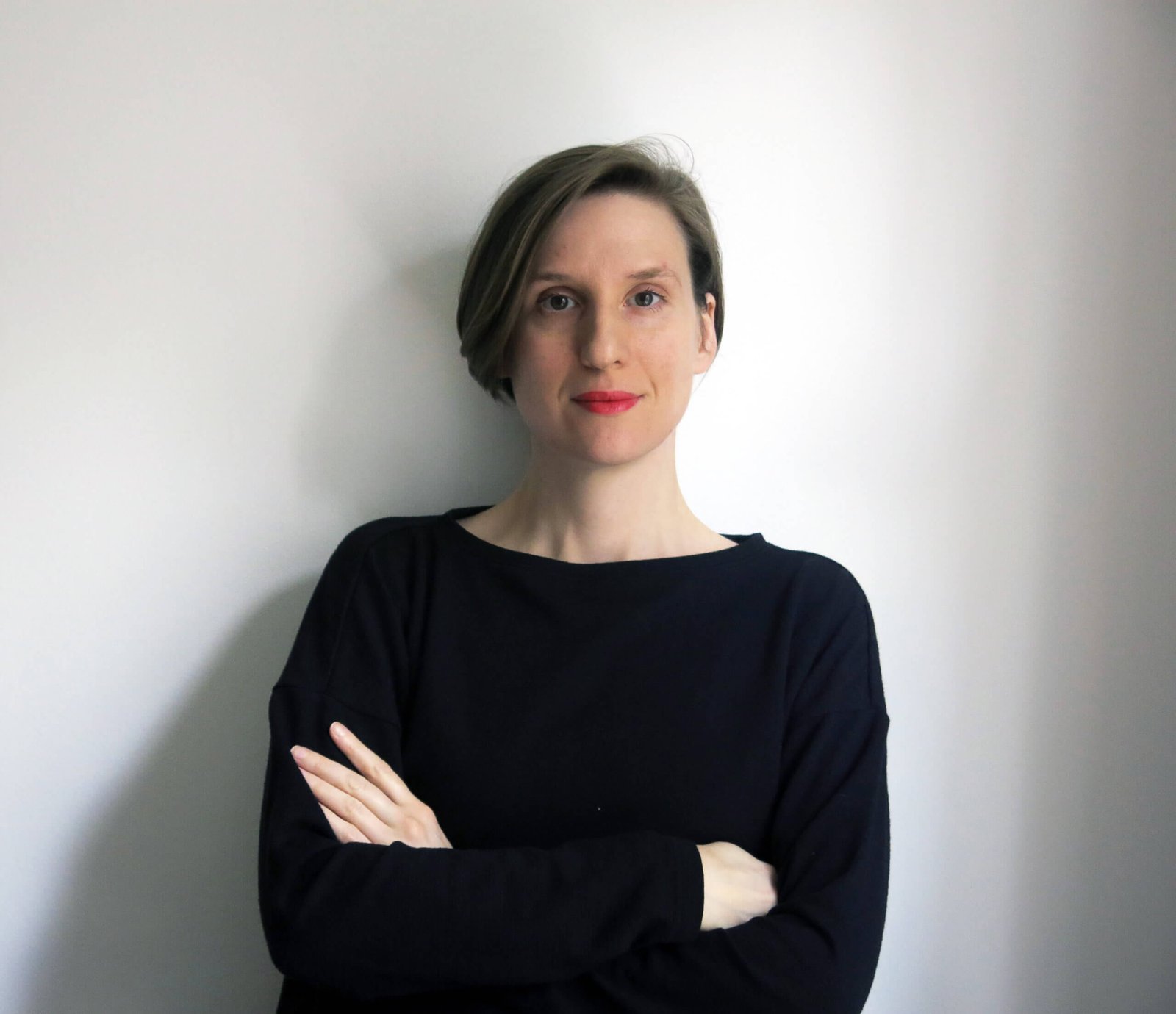
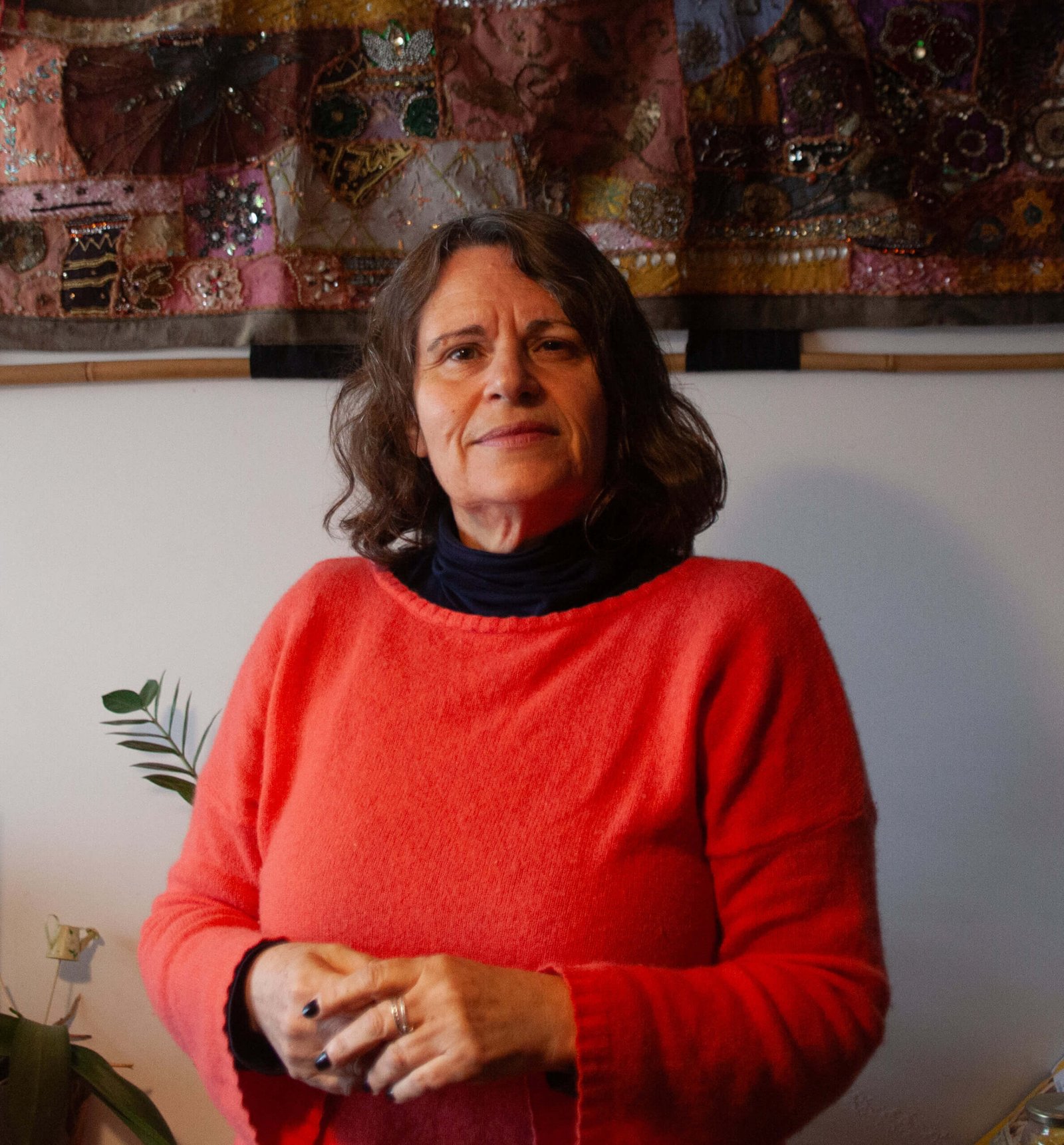
Clara Pimenta do Vale is an architect, graduated from the Faculty of Architecture of the University of Porto (FAUP, 1991), with a Master’s in Building Construction from the Faculty of Engineering of the University of Porto (FEUP, 1999) and a PhD in Architecture from FAUP (2012), with a dissertation on the built history of Porto’s Boavista axis — a contribution to the history of twentieth-century construction in Portugal.
She has taught at FAUP since 1999 and is currently an Associate Professor and member of the Executive Board. Her teaching spans construction technology, building rehabilitation, circular economy and conscious design, traditional materials and techniques, and research methodologies — across the Integrated Master’s in Architecture, the Advanced Studies Course in Architectural Heritage, the Doctoral Programme in Architecture, and the Master’s in Integrated Building Design and Construction at FEUP.
She is an Integrated Researcher at CENP — the Nuno Portas Centre for Studies at FAUP — where she coordinates the Studies in the History of Construction research line and participates in several funded national and international research projects. Her research focuses on Construction History, Vernacular Architecture, building materials from historical to contemporary perspectives, and the intersection of sustainability, rehabilitation, and reuse.
Since 2019, she has coordinated the curricular unit Circular Construction, Conscious Design and Certification — one of the first courses in Portugal to embed circular thinking as a design culture within architectural education. She is a founding board member of No News (Nada Novo), an association that promotes the reuse of construction components and materials and explores the cultural challenges of their application in contemporary architecture. Her ongoing intervention at the Orange Grove House in Minho is a direct embodiment of these concerns: a design experiment in which material existence and conservation principles drive every decision.
She is a member of SPEHC, the Construction History Society, ICOMOS-CIPA, and APRUPP. She supervises PhD research at FAUP, FBAUP, FEUP, TU Delft, and the University of Aveiro, and has supervised more than 60 Master’s dissertations. She is co-author of four books and author or co-author of more than 80 other publications. She practised as an architect between 1991 and 2004 and is also a photographer, with work shown in several exhibitions.
The Faculty of Architecture of the University of Porto (FAUP) is an organic unit of the University of Porto and a centre for the creation, transmission, and diffusion of disciplinary knowledge in the fields of architecture, construction, and urban studies. Founded in 1979 as the successor to the architecture course taught at the School of Fine Arts of Porto (ESBAP), FAUP inherited a pedagogical tradition reaching back to figures such as José Marques da Silva and Carlos Ramos, and inaugurated by Fernando Távora — one of the founding figures of what became internationally known as the Porto School.
The Porto School is recognised worldwide as one of the most influential movements in contemporary architecture, distinguished by its emphasis on the relationship between a building and its place, on drawing as a primary tool of architectural thinking, and on the ethical and cultural dimensions of architectural practice. FAUP is one of the very few schools in the world to count two Pritzker Prize winners — Álvaro Siza and Eduardo Souto de Moura — among its former students and professors, a distinction that reflects both the depth of the school’s pedagogical culture and its capacity to produce architecture of lasting international significance.
The faculty is housed at Campus Campo Alegre in Porto, in a building complex designed by Álvaro Siza himself — making the school’s physical environment an extension of its intellectual one. FAUP offers an Integrated Master’s degree in Architecture, a doctoral programme in Architecture, and, in partnership with the Faculty of Engineering of the University of Porto, a Master’s in Urban Planning and Design.
Research at FAUP is conducted through CENP — the Nuno Portas Centre for Studies (formerly CEAU, the Centre for Studies in Architecture and Urbanism), renamed in 2025 in honour of one of the most influential figures in Portuguese architecture, urbanism, and housing policy of the twentieth century. CENP is devoted to the promotion and development of artistic and scientific research and technological innovation in the fields of architecture, construction, and urban planning, bringing together researchers working across architectural history, construction cultures, design theory, heritage, and urbanism.
Nothing New: Circularity in Architectural Education and Practice
For millennia, experience has taught us to reuse what we have — in clothing, furniture, and building materials. Yet each generation of modernity has tended to break with this wisdom, treating rupture as progress. Now, as the finiteness of planetary resources has moved from isolated concern to political urgency, architecture and construction face the need for a new paradigm shift: one in which reuse — of materials, components, and entire buildings — becomes a mainstream choice rather than an exception.
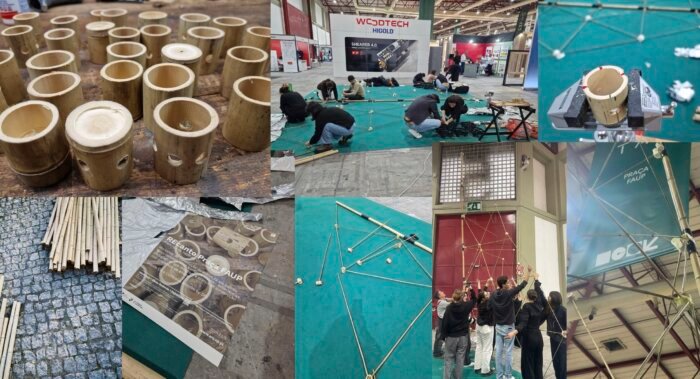
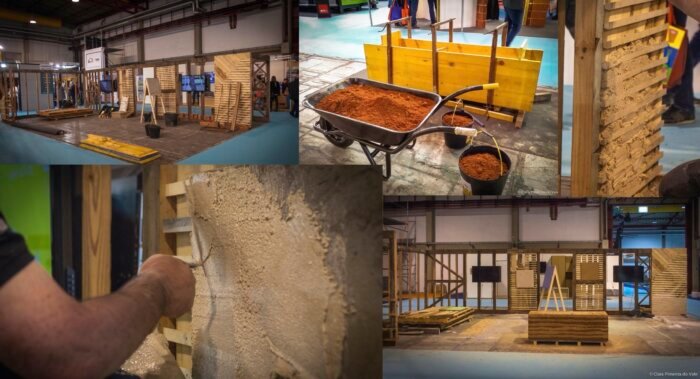
This lecture argues that such a shift must be cultivated simultaneously in education and in practice. Drawing on the curricular unit Circular Construction, Conscious Design and Certification (FAUP, 2019–present), it presents pedagogical strategies for embedding circular thinking into architectural training — from material literacy and life-cycle awareness to deconstruction logics and the ethics of resource stewardship. It then turns to No News (Nada Novo), a platform that foregrounds the expressive and ethical potential of existing materials and structures as a cultural proposition.
The lecture concludes with the Orange Grove House intervention — an ongoing project in Minho, Portugal, in which the design method is driven by material existence: what is already there, what can be recovered, and what the inventory of the place makes possible. Together, these three registers — pedagogy, platform, and practice — point toward the same conclusion: that circularity is less a technical methodology than a disposition, a form of conscious design — an attentiveness to the value latent in what already exists.