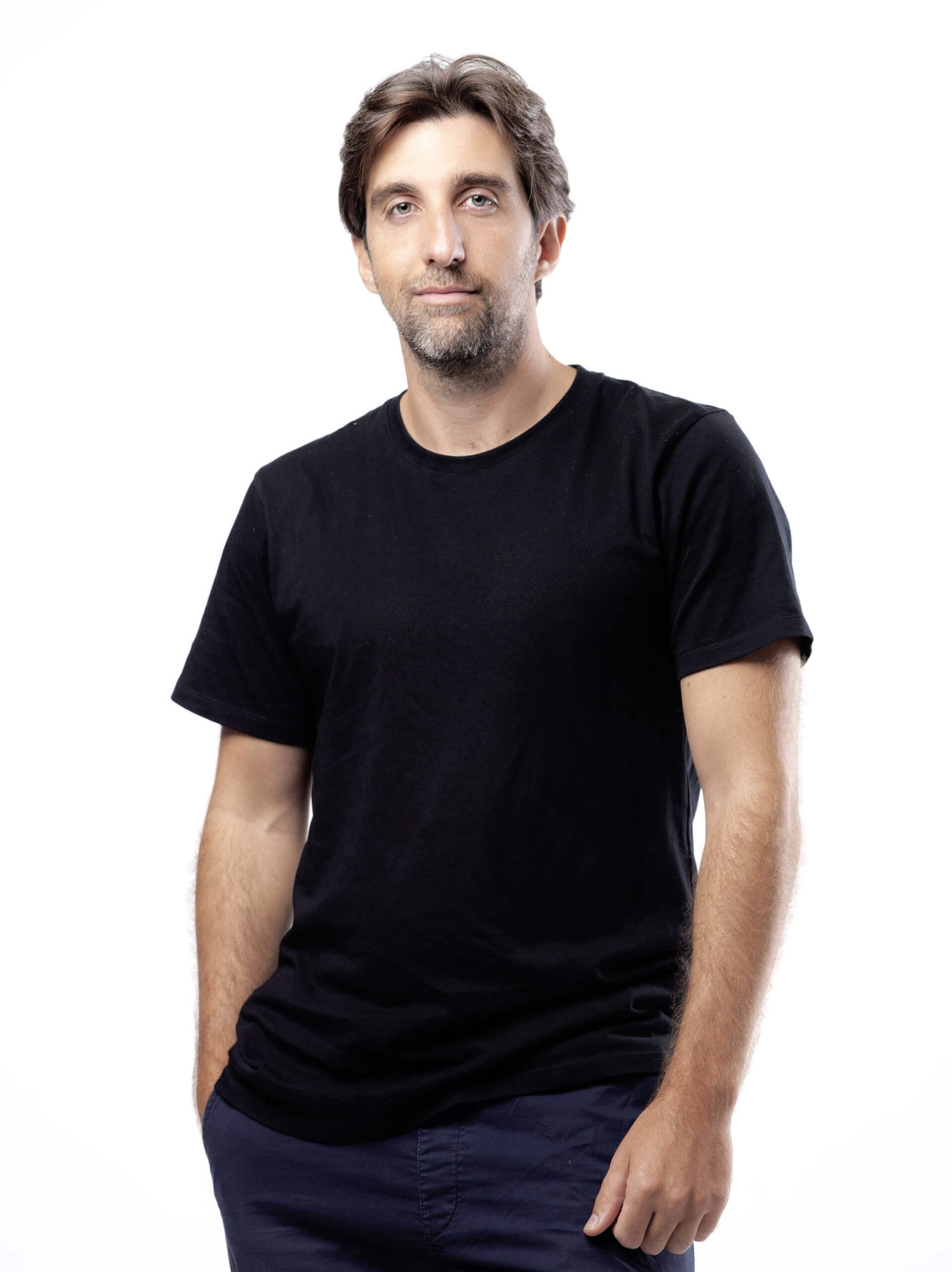
Pierluigi Turco is a qualified architect with over a decade of international experience across Italy, the United Kingdom, and the Middle East. He studied architecture in Palermo (UNIPA), Vilnius (VGTU), and Paris (ENSAPM), before moving to London to pursue a Master’s in Sustainable Environmental Design at the Architectural Association School of Architecture, where he developed a strong foundation in environmental and performance-driven design.
He began his professional career at Skidmore, Owings & Merrill (SOM) in London, working as an Associate Designer on large-scale international projects across various stages, from concept design to construction and competitions. During his time at SOM, he was actively involved in both the High-Performance Design (HPD) and Sustainability groups, contributing to the integration of advanced environmental strategies within complex architectural schemes.
In 2019, Pierluigi relocated to Kuwait to join PACE – Architecture, Engineering and Planning as a Lead Designer. There, he led multidisciplinary teams on a range of educational and cultural projects, with a strong focus on mentoring young architects. Among his key achievements is the PAHW 3 Schools project, for which his team won a major international competition to design three prototype schools for the Kuwaiti government. The project was later awarded “Best Future Project” by AIA Middle East.
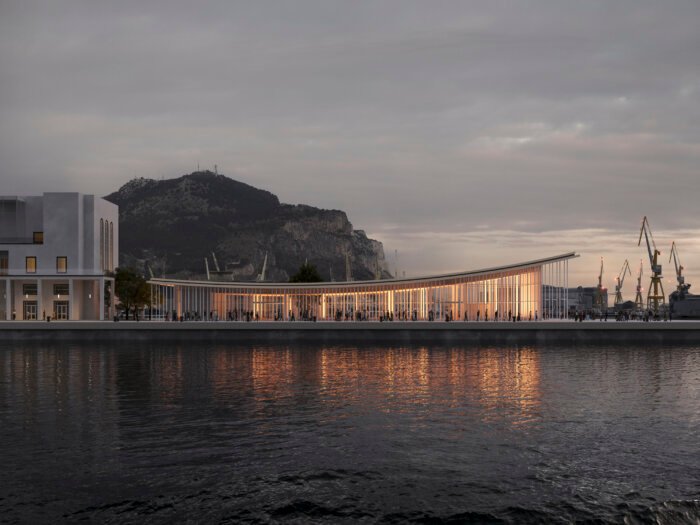
In 2022, he co-founded a_fact | architecture factory together with Giovanni Sanna and Andrea Rossi, with the aim of developing innovative and sustainable architectural and master planning projects at an international scale. He currently leads the London office, opened in 2023, overseeing projects that combine design excellence with a data-driven approach to sustainability.
Pierluigi is a registered architect in the UK and a licensed engineer in Italy. Alongside his professional practice, he is actively engaged in academia as a visiting lecturer and tutor at institutions including Politecnico di Milano, the UCL Bartlett School of Architecture, and the Architectural Association, where he teaches a module on Sustainable Cities within the Sustainable Environmental Design programme. In 2025, he was invited to serve as a juror for the last edition prestigious Holcim Foundation for Sustainable Design Awards.
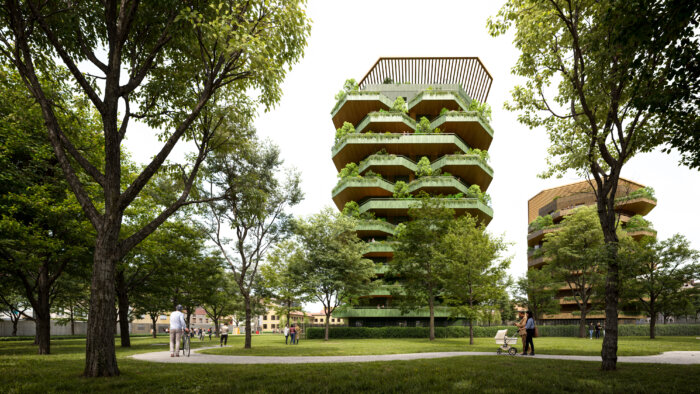
a_fact | architecture factory is an architecture studio founded in 2022 by Andrea Rossi, Giovanni Sanna, and Pierluigi Turco, with offices in Milan and London. The practice brings together architects, engineers, and designers with a shared vision: to rethink the spaces we inhabit by combining design, innovation, and sustainability.
The studio’s approach is rooted in a careful analysis of context and client needs, transformed through a creative process into resilient, human-centered environments. By collaborating with multidisciplinary experts, a_fact develops forward-thinking solutions that enhance well-being while addressing environmental, social, and economic challenges.
Central to its philosophy is “factual sustainability,” inspired by a data-driven understanding of the world. This method allows the studio to translate complex information into pragmatic, circular design strategies that promote harmony between built environments and nature.
a_fact works across a wide range of scales and typologies—from residential buildings to masterplans, cultural spaces, and production facilities—always balancing aesthetics with functionality. The studio gained international recognition in 2024, winning major competitions including the Museum Complex and Art Park in Podgorica and the Bertalia-Lazzaretto eco-district in Bologna.
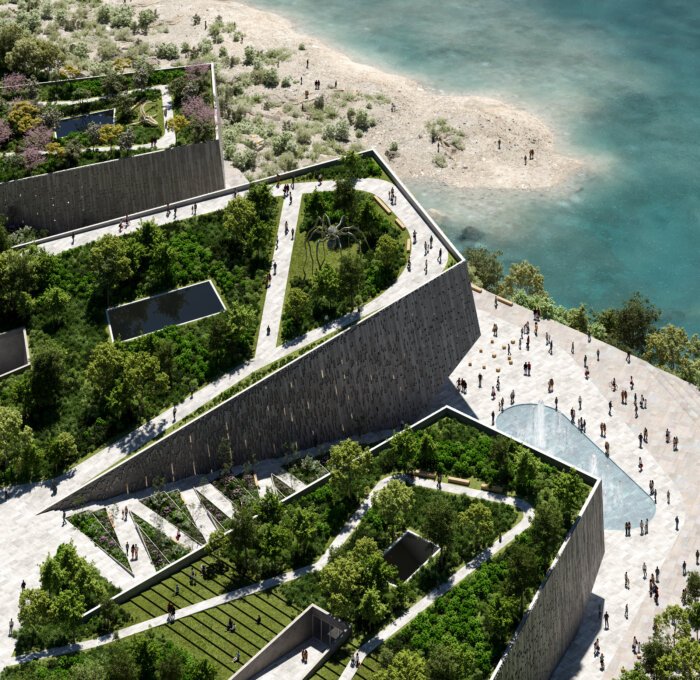
Alongside competition work, a_fact is engaged in diverse international projects, from residential developments in Rome to hospitality projects in Canada and Southern Italy. A key focus of the studio’s research is the adaptive reuse of existing buildings, reducing land consumption and transforming underutilized spaces into vibrant, sustainable environments.
“Every project is a precise act of transformation, rooted in context and guided by intention. It is measurable, situated, and accountable. It reflects the complexity of its environment and contributes to its long-term resilience. Through this lens, design becomes a cultural and environmental responsibility — an opportunity to shape the future with clarity, humility, and purpose. We design architectures that behave, adapt, and endure. Systems rather than shapes. Relationships rather than objects. Meaning rather than gestures.”