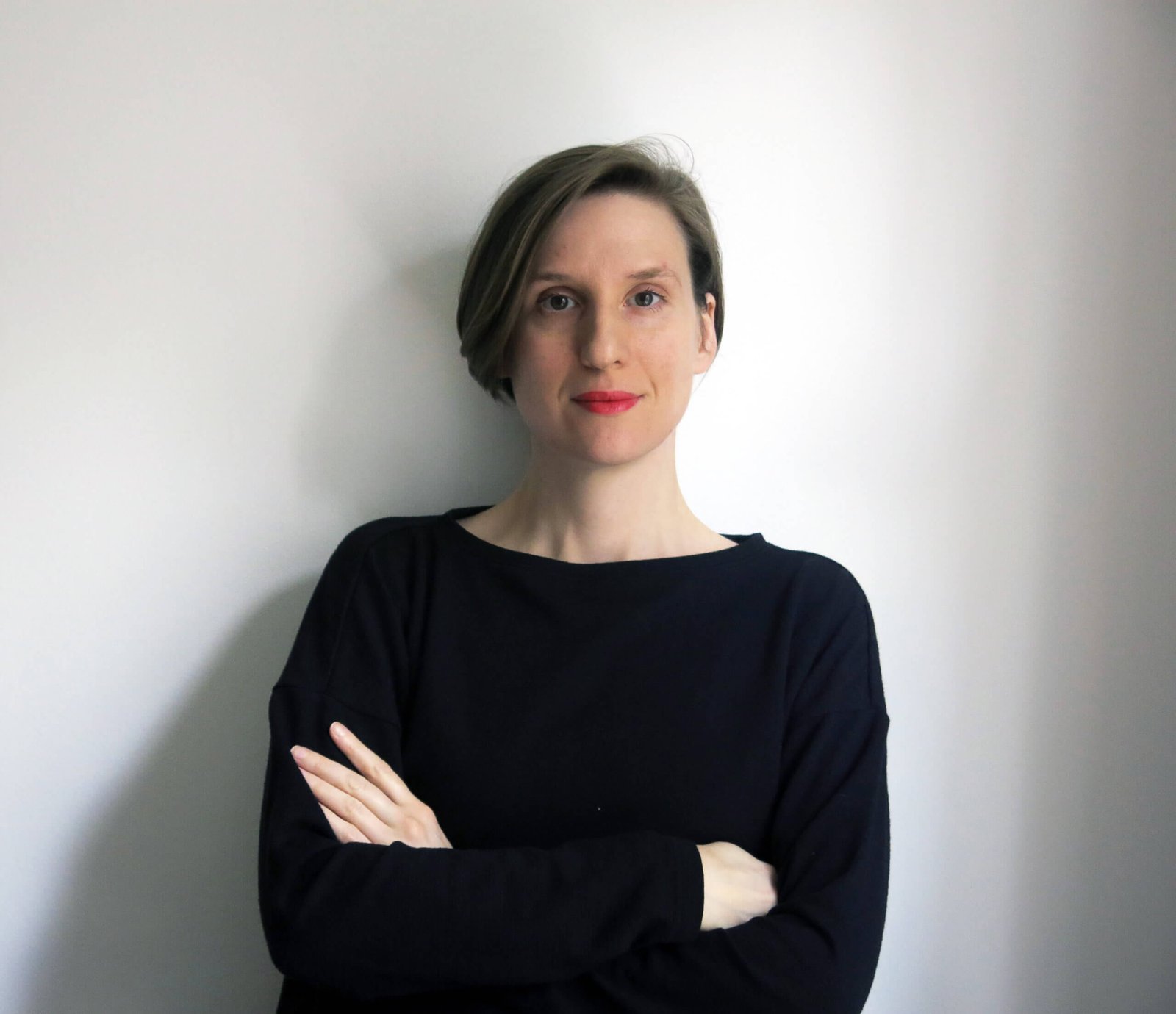
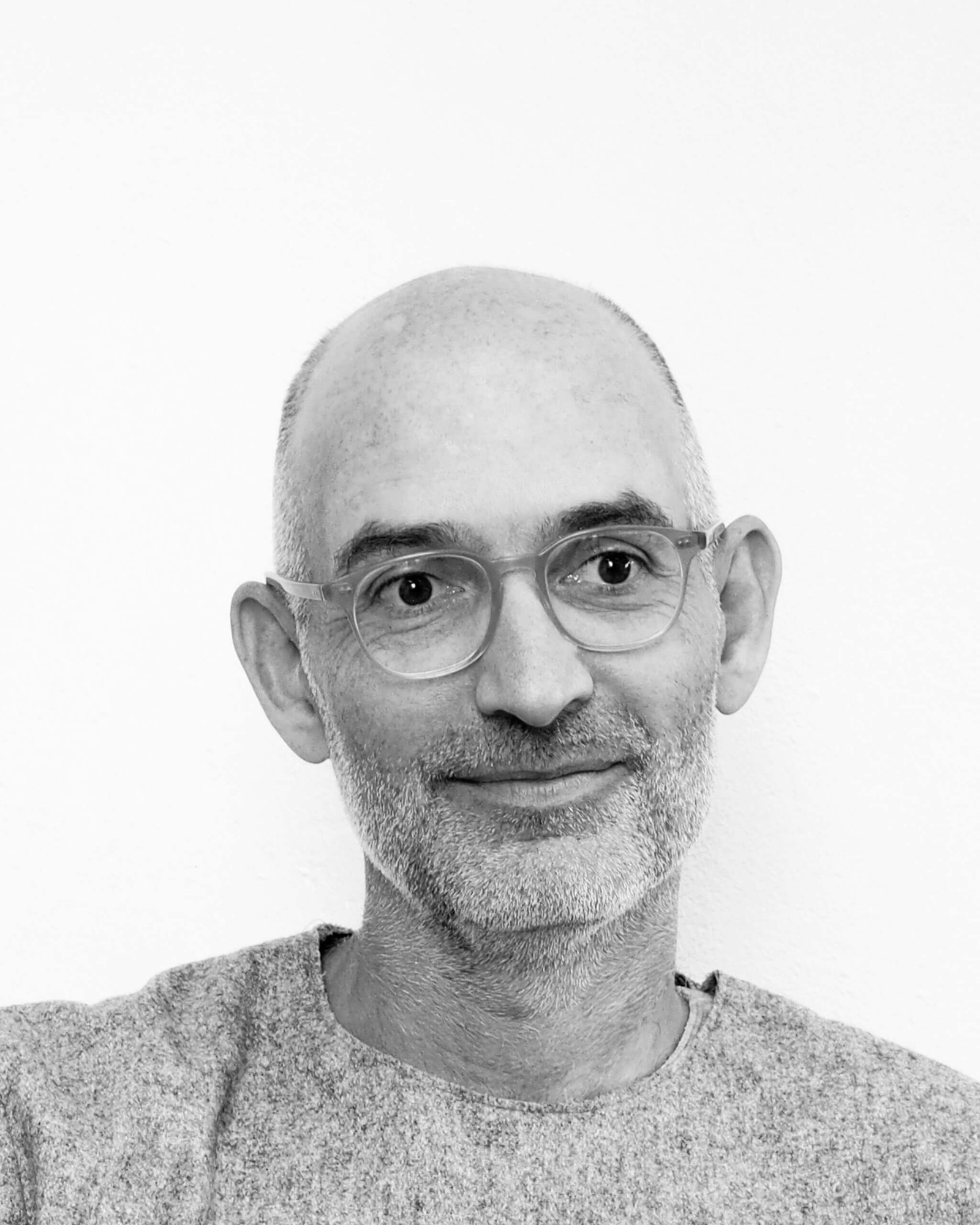
Tomà Berlanda is Full Professor of Architectural Technology at the Politecnico di Torino, Honorary Research Associate at the University of Cape Town, and co-founder of astudio.space architecture & urbanism. One of the first graduates of the Accademia di Architettura in Mendrisio and holding a PhD from the Politecnico di Torino, he has built a twenty-five-year body of work around the notion of ground, in which practice, teaching, and scholarship operate as a single project.
Over a long stint in Eastern and Southern Africa, what started as a concern with topography in Europe became a matter of working with communities. Through collaborative practice he has designed and built early childhood development centres, schools, and health facilities under conditions of material scarcity, alongside creative installations for international exhibitions and biennales that reflect from the South.
He has served, among other things, as a reviewer for the Aga Khan Award for Architecture, nominator for the Obel Award, academic board member of the African Futures Institute, and editorial contributor to the Architectural Review.
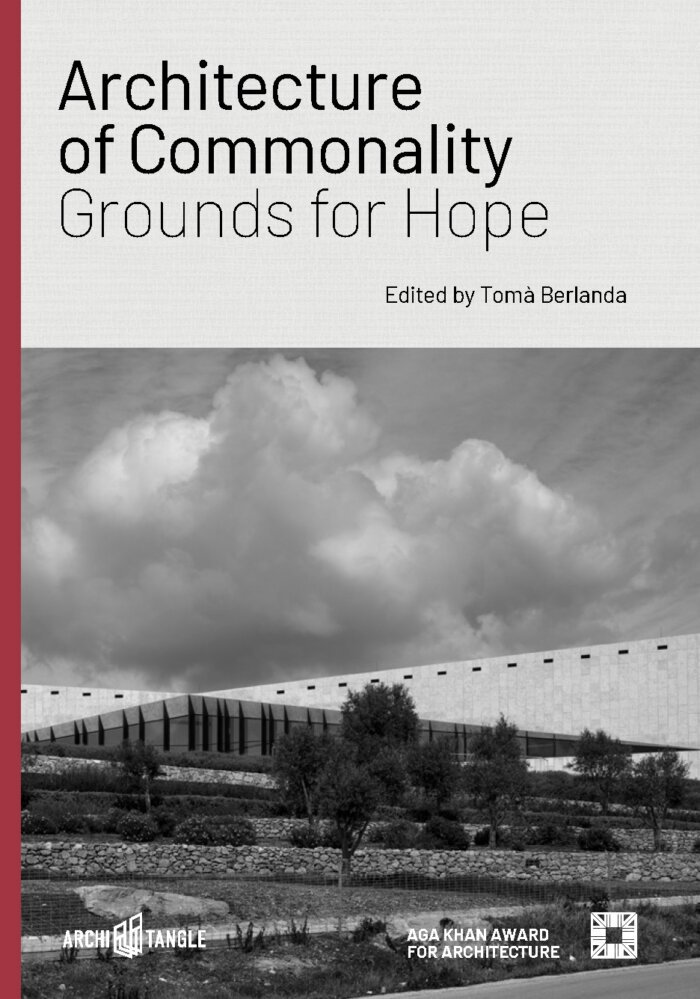
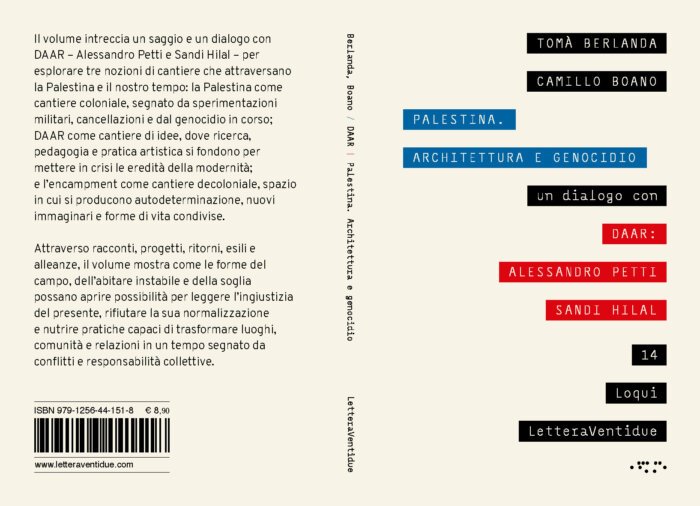
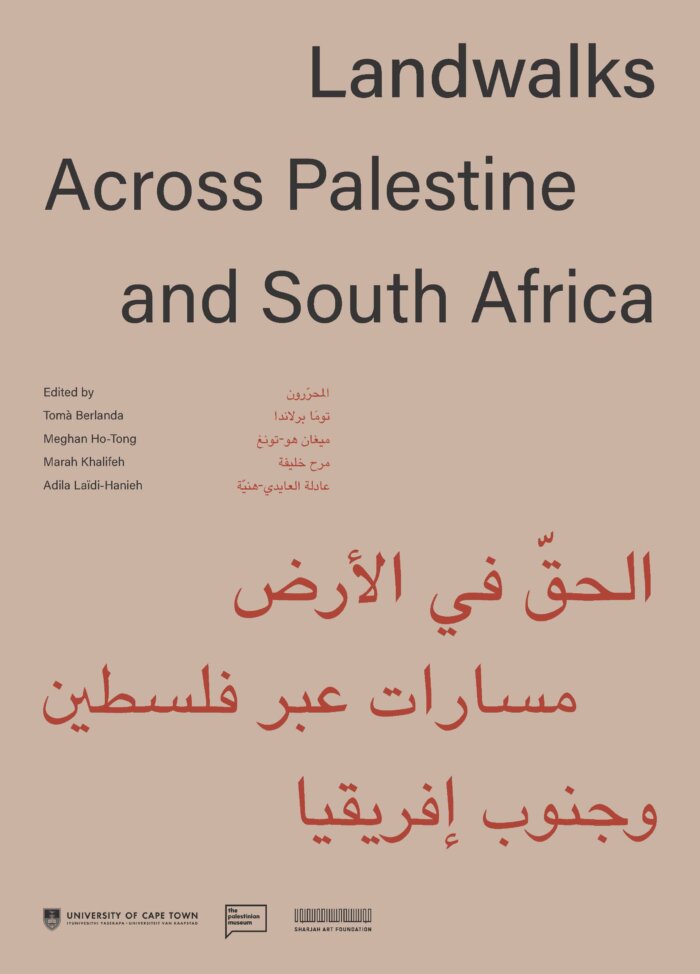
More recently, building on fieldwork in Palestine, his work asks what the ground becomes when it is at once a contested surface, an archive of dispossession, and a site of liberatory practice. Recent publications include Landwalks: Across Palestine and South Africa(editor, 2022), Architecture of Commonality: Grounds for Hope (editor, 2024), and Palestina. Architettura e Genocidio (co-author, 2025).
The Lecture: Working in Rubble, Time, and Palestine
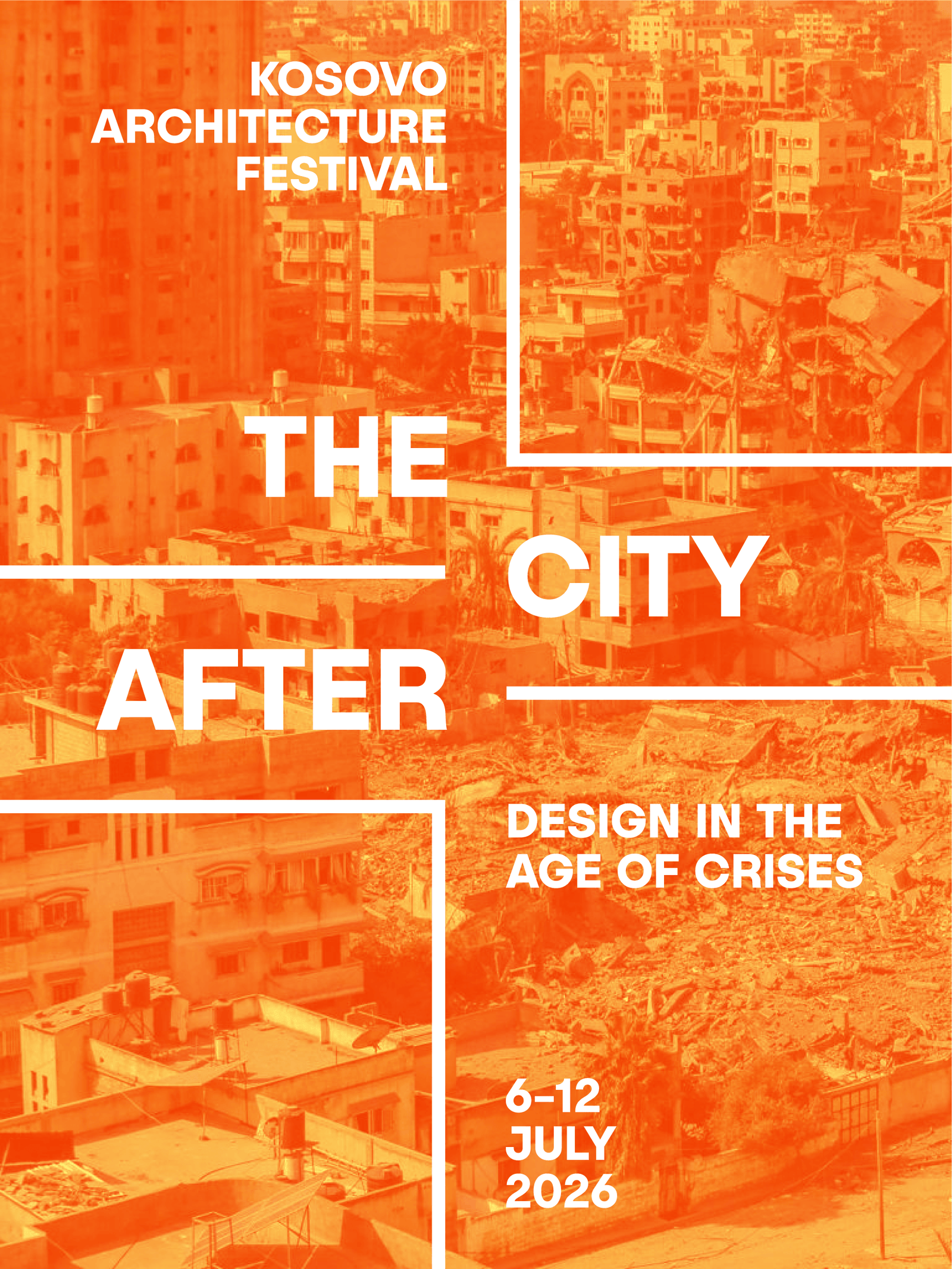
The lecture works from rubble. Not as the residue of a destruction now ended, but as the material condition of the present, where the ground has been torn apart materially, politically, and humanly. It approaches reconstruction not as a stage after violence but as a continuous condition lived through destruction, suspension, scarcity, and care. It moves close to Palestine while staying aware of distance, and insists that reconstruction is inseparable from the bodies that endure its absence: the wounds carried, the interrupted genealogies, the lives forced to rebuild themselves while the rubble keeps being made.
The argument grows from a question that has resurfaced across three years of conversations, paused manuscripts, and talks held in the presence of overwhelming loss: how does one think, teach, or build when the conditions for life are under assault, when even the unborn carry the marks of war, when sixty million tonnes of debris become the new ground on which people sleep, cook, and bury their dead?
The lecture proceeds by fragments — on Time, Gardens and Ecologies, Rubble, Pedagogy, Reconstruction — each approaching the question from a different angle, all returning to the same difficulty: what does it mean to reconstruct when the rubble will not stop, when time is weaponised, when both land and people bear the imprint of devastation?
Rather than offering solutions, the lecture asks the audience to move among incomplete pieces, to sense what remains unsaid, and to recognise how the wounding of land and the wounding of bodies are part of the same terrain. It closes with what it means to remain present, and to think politically, when the very basis of life is rubble. Palestine, throughout, is not a site to be explained but a place from which to rethink architecture, ethics, and care from within the rubble itself.