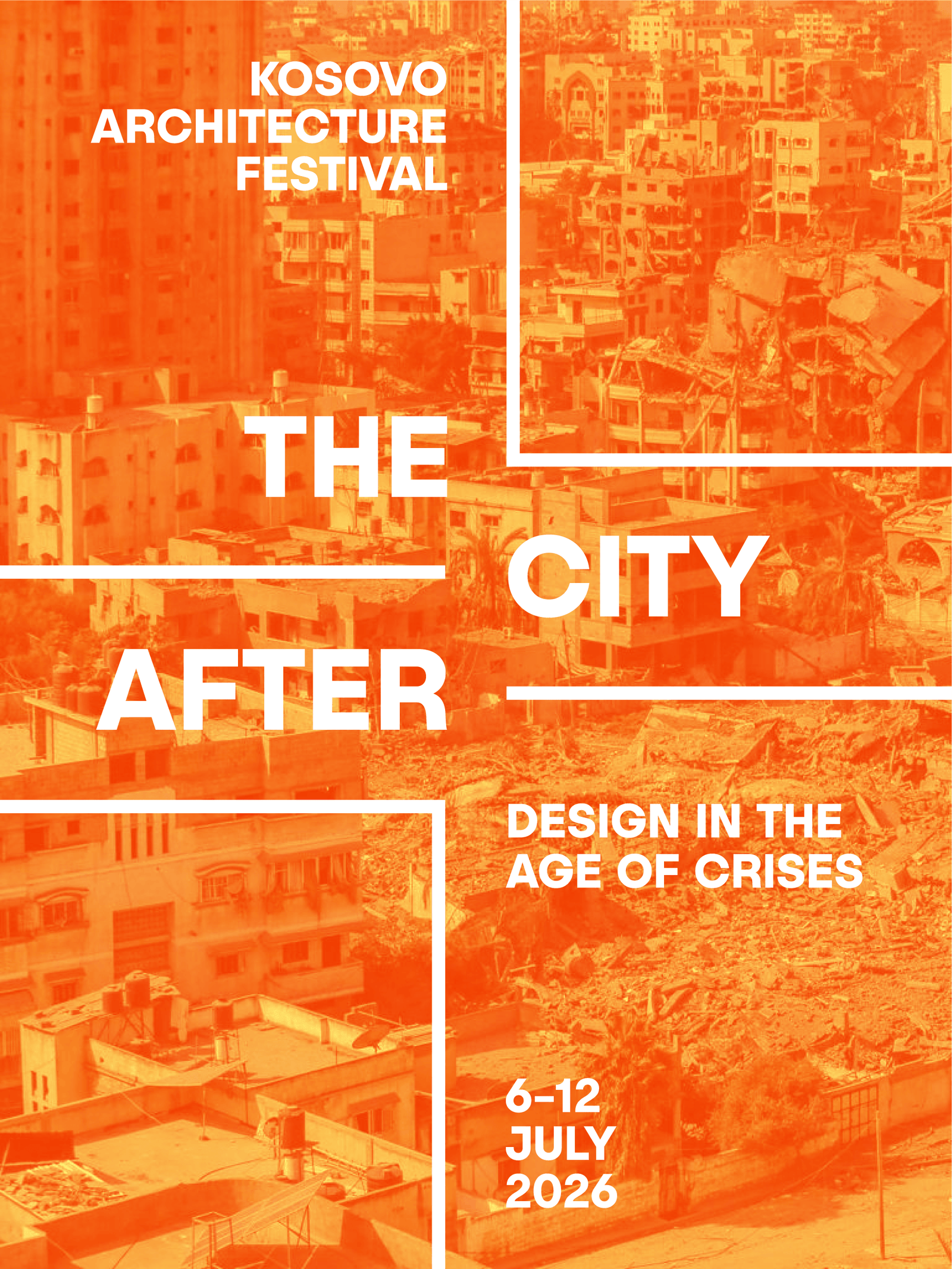
Open Call for: Individuals with a background in Architecture, urbanism, art, environmental, social or political studies (students and young professionals)
Workshop Dates: 6-10 July
Mentors: Amira Sayyad, Walaa Hajali
Activities: Narrative collection, mapping, sketching, collage-making, and a mini exhibition.
About the workshop:
“…In Jerusalem, the municipality is more dangerous than the army!”
Abu Kamal (58), Palestinian resident of East Jerusalem
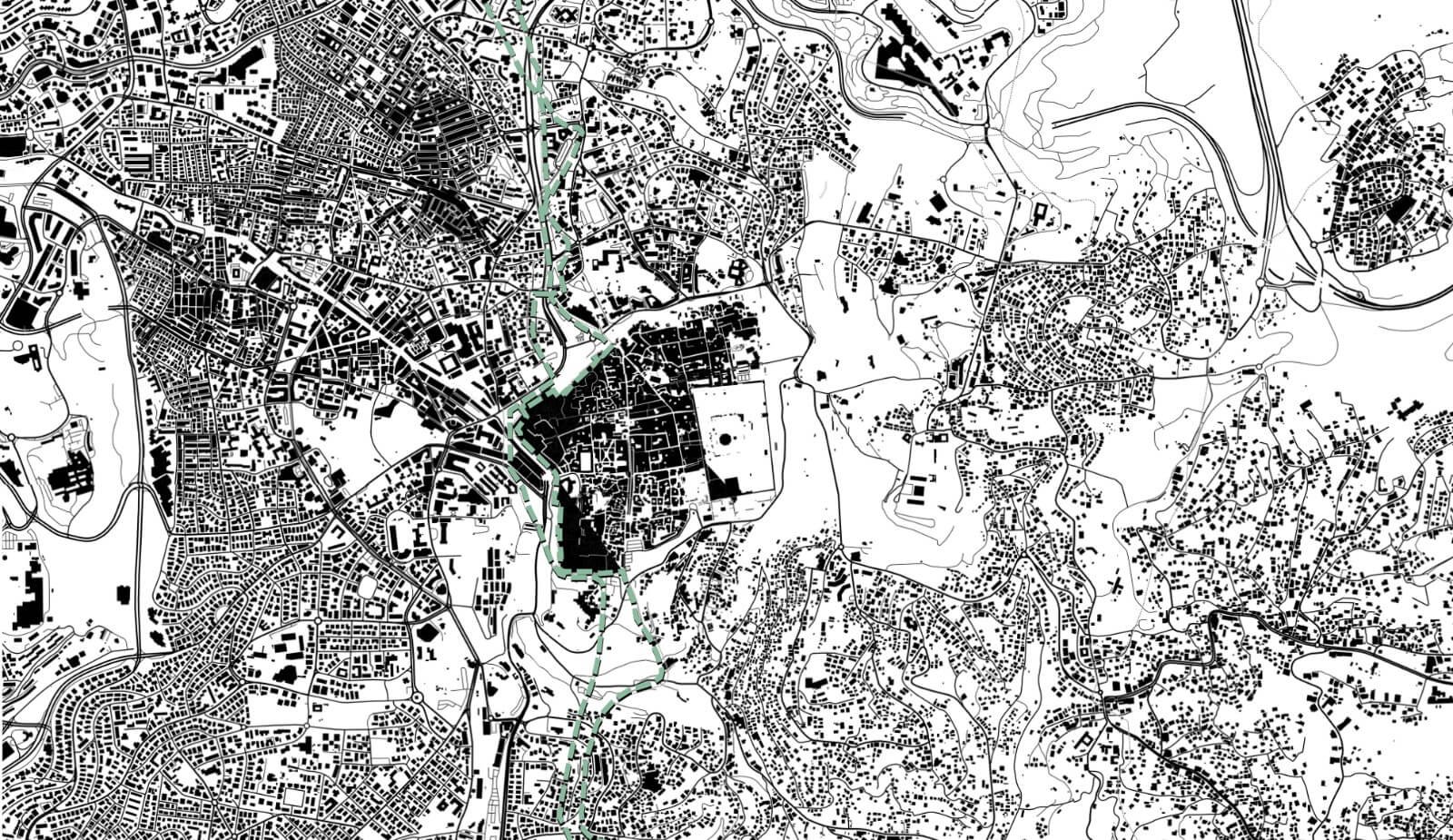
What stories do official maps tell, and what stories do they leave out? What becomes invisible through planning and visible through counter-planning? The workshop explores narrative mapping as an alternative spatial tool for rethinking eastern Jerusalem’s fragmented urban condition. Working across official planning documents and local Palestinian narratives, participants examine how space is represented, produced, and contested in the city. Spatial stories will be translated into comparative maps that expose spatial and environmental injustice, overlaps, and gaps between institutional and lived understandings of space. Storytelling is approached as an active spatial practice through which the experience of the city lived. The stories are read as spatial constructs shaped by the right to the city, memory, and collective practices of reclamation.
We invite participants who are interested in the art of observation and in how lived environment experience can be translated into spatial practices. Together, we will engage with the political realities that shape how space is imagined, produced, and experienced. By doing so, we will explore integrated approaches to spatial thinking that connect environmental, social, and political dimensions of urban life, uncovering the human realities of Palestinians that often remain absent from official narratives.
All interested participants must send an email by the 29th of June with the subject line “What Maps Conceal” attaching a CV or samples of their work, specifying their year and field of study, and providing their contact information (email and phone number) to workshops.kaf@gmail.com.